
Every Election Day, a quiet army makes democracy happen: the neighbors who check you in, hand you a ballot and make sure the doors open on time. You can be one of them. It is one of the most hands-on ways to protect everyone’s right to vote, and it takes less red tape than you might think. To get started, make sure you’re registered to vote in your state.
This guide walks you through how to become a poll worker, from who qualifies to what the day actually feels like. One note up front: rules differ by state and county, so treat this as a map and confirm the details locally. If you’re not yet registered, see our guide on how to register to vote in Alabama.
Quick answer: To become a poll worker, contact your county or local election office, confirm you meet its age and residency rules, submit an application, and complete the required training. Pay, hours and eligibility vary by state and county, so check with your local election office before you apply.
What does a poll worker actually do?
Poll workers run the polling place. They set up equipment, greet voters, check people in, hand out ballots, help with questions and keep lines moving. At the end of the day, they help close the site and secure the results according to local procedures.
Roles often come with titles, though the names vary by place. You might hear terms like election judge, clerk, inspector or precinct officer. They describe similar jobs, and your county will explain exactly what each one means locally.
Common jobs at a polling place
- Check-in: confirming voters are in the right place and getting them started.
- Ballot help: explaining how to mark and submit a ballot or use equipment.
- Greeter or line manager: keeping things welcoming and orderly.
- Site lead: an experienced worker who oversees opening, closing and problem-solving.
Who can be a poll worker?
Requirements are set by states and counties, so there is no single national rule. That said, many places look at a handful of common factors. Here is what to expect and what to ask about.
| Requirement | What to expect | What to check locally |
|---|---|---|
| Age | Most places set a minimum age; some have youth or student programs | Your exact minimum age and any student options |
| Residency | Often live in the county, and sometimes the precinct, where you serve | Whether you must live in the county, state or precinct |
| Voter registration | Frequently required, with exceptions in some places | Whether you must be registered to apply |
| Citizenship | Commonly required for those who serve in most roles | Your office’s citizenship rule |
| Language skills | Not required, but bilingual workers are often in high demand | Whether your language is needed in your area |
| Political party | Some counties aim for balance across parties | Whether your office asks about party affiliation |
| Other limits | Some places restrict candidates or their close family from serving | Local conflict-of-interest rules |
Not sure you are registered? You can check in minutes with our guide to checking your voter registration status. If you need to sign up, start with how to register to vote in every state, or go straight to the official site, vote.gov.
Democracy does not run itself; it runs on neighbors who show up before sunrise.
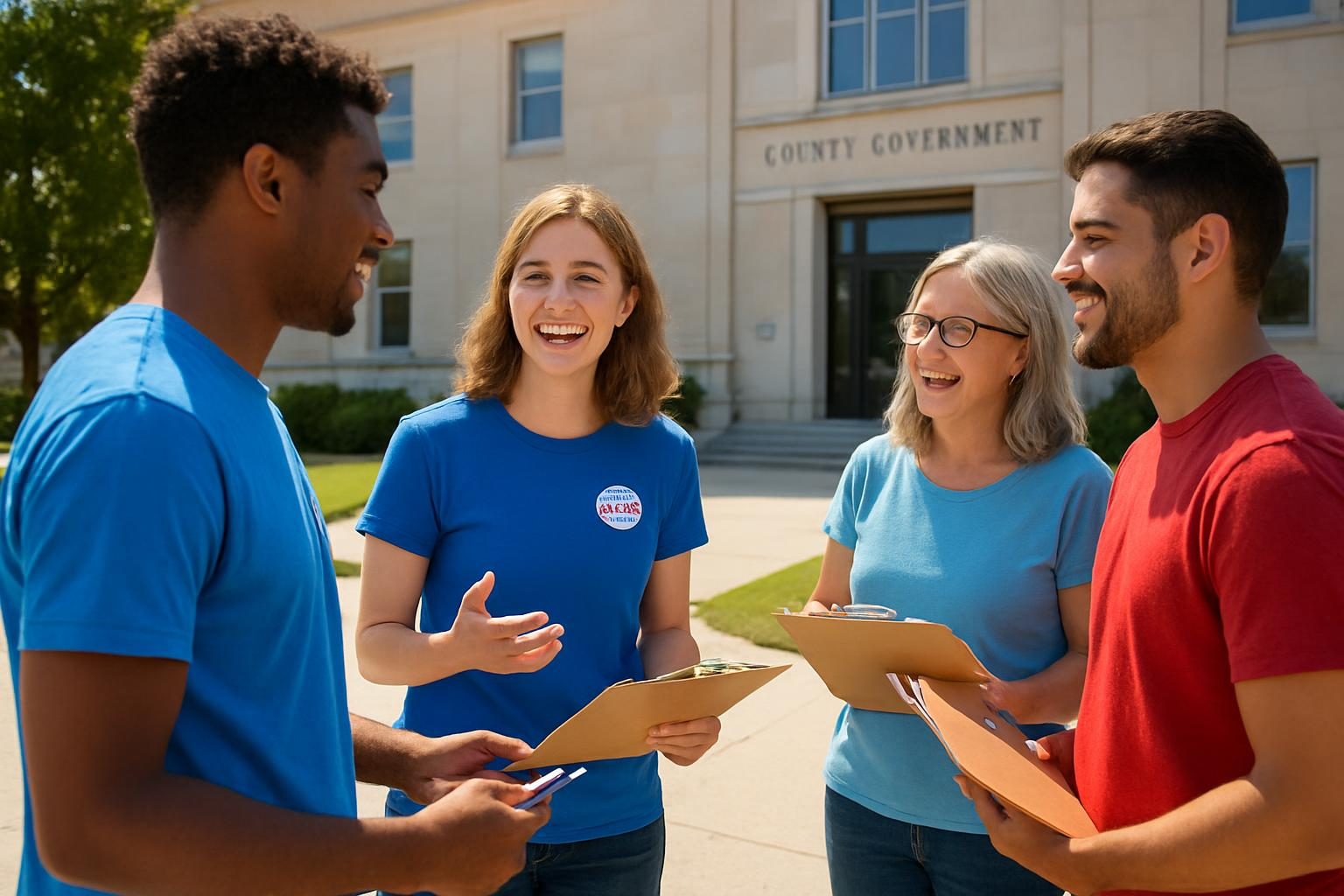
How to become a poll worker: step by step
The process is usually simple. Most of it happens through your county election office, and many offices make it easy to apply online or by phone.
- Find your local election office. Search for your county’s election office, sometimes called the board of elections, county clerk or registrar of voters. Your state election office or vote.gov can point you to the right place.
- Look for the poll worker page. Many offices post an application, a list of requirements and contact details for their poll worker coordinator.
- Confirm you qualify. Check age, residency, registration and any other rules before you apply.
- Submit your application. Some offices use an online form; others use paper forms or a phone call. Include your availability and any language skills.
- Wait for a response. Offices often assign workers closer to an election, so a quick reply is not guaranteed. Following up politely is fine.
- Complete training. You will usually be told when and where to attend, or how to take it online.
- Get your assignment. You will be told which polling place, role and hours you are covering.
Timing matters. Election offices often recruit well ahead of big elections, but they also need people for smaller local races. Do not wait for a presidential year to reach out.
Which elections need poll workers?
Nearly every election needs them, from primaries to special elections to the general election. The big ones draw the most attention, including the 2026 midterm elections on Tuesday, November 3, 2026, and the general election on Tuesday, November 7, 2028. But local offices staff polling places for many contests in between, so there is almost always a next chance to serve.
What does poll worker training involve?
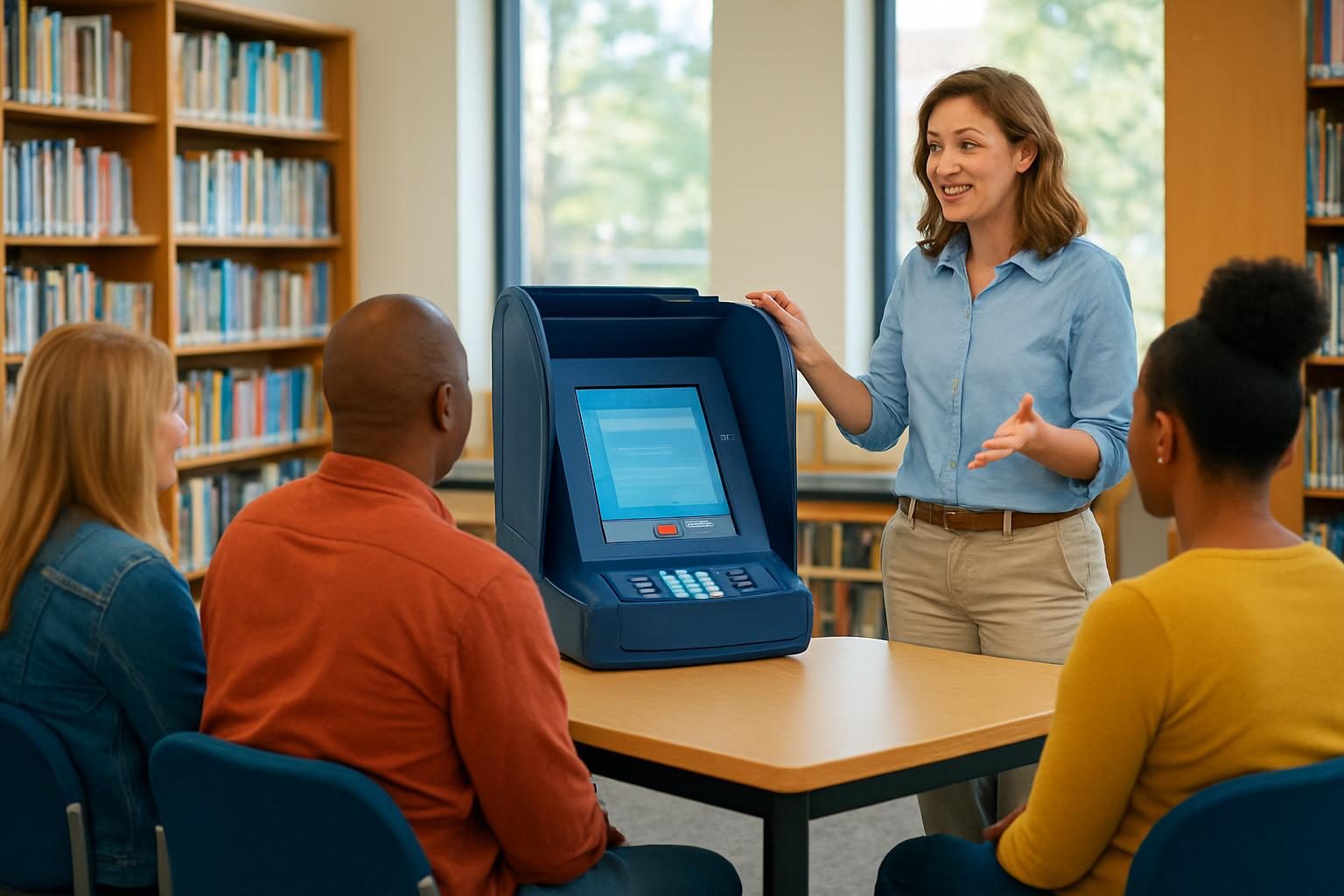
Training is designed so that you do not need any election experience to start. Formats vary. Some counties hold in-person classes with hands-on practice; others use online modules, or a mix of both.
Expect to cover topics like these:
- How to open and close the polling place
- How to check in voters and handle common questions
- How to set up and use voting equipment
- How to help voters with disabilities and language needs
- What to do when a problem comes up, and who to call
- Rules for keeping the polling place orderly and fair
Many offices include practice time with the actual equipment. That means you can ask questions and make mistakes before the real thing. Whether training is paid or unpaid varies by place, so ask when you apply.
You do not need to be an election expert to serve; you need to be reliable and kind.
What is the workday like?
Be ready for a long day. Poll workers typically arrive before the polls open to set up and stay after they close to wrap up. That can easily mean a shift of twelve hours or more, though the exact schedule depends on your location and role.
Some places offer shorter or split shifts, especially for early voting. If a full day is too much, ask your election office what options exist.
A typical Election Day rhythm
- Before opening: set up equipment, post required signs and run through checklists with your team.
- Morning rush: greet voters, check people in and keep lines moving.
- Midday lull: take breaks, restock supplies and help anyone who needs extra time.
- Evening wave: handle a second rush from people coming off work.
- Closing: follow local procedures to close the site and secure materials.
Pack snacks, water and comfortable shoes. Bring a sweater, because some buildings are chilly. And bring patience, because kindness goes a long way when a voter is nervous or confused.
How much do poll workers get paid?
Pay varies a lot by state, county and role. Some places pay a flat daily stipend; others pay by the hour. Lead roles often pay more than entry-level ones. Training time may or may not be paid, and some places pay extra for attending.
Because the numbers differ so widely, the only reliable answer comes from your own county election office. Ask these questions when you apply:
- Is the pay a flat amount or hourly?
- Is training paid?
- Do different roles pay differently?
- When and how do I get paid?
- Can I work for pay if I also have another job or receive certain benefits?
Many poll workers say the pay is not the point. If you are weighing it against your time, ask whether your employer offers time off for civic duty. Some do, and it never hurts to ask.
Why poll workers matter for 2028
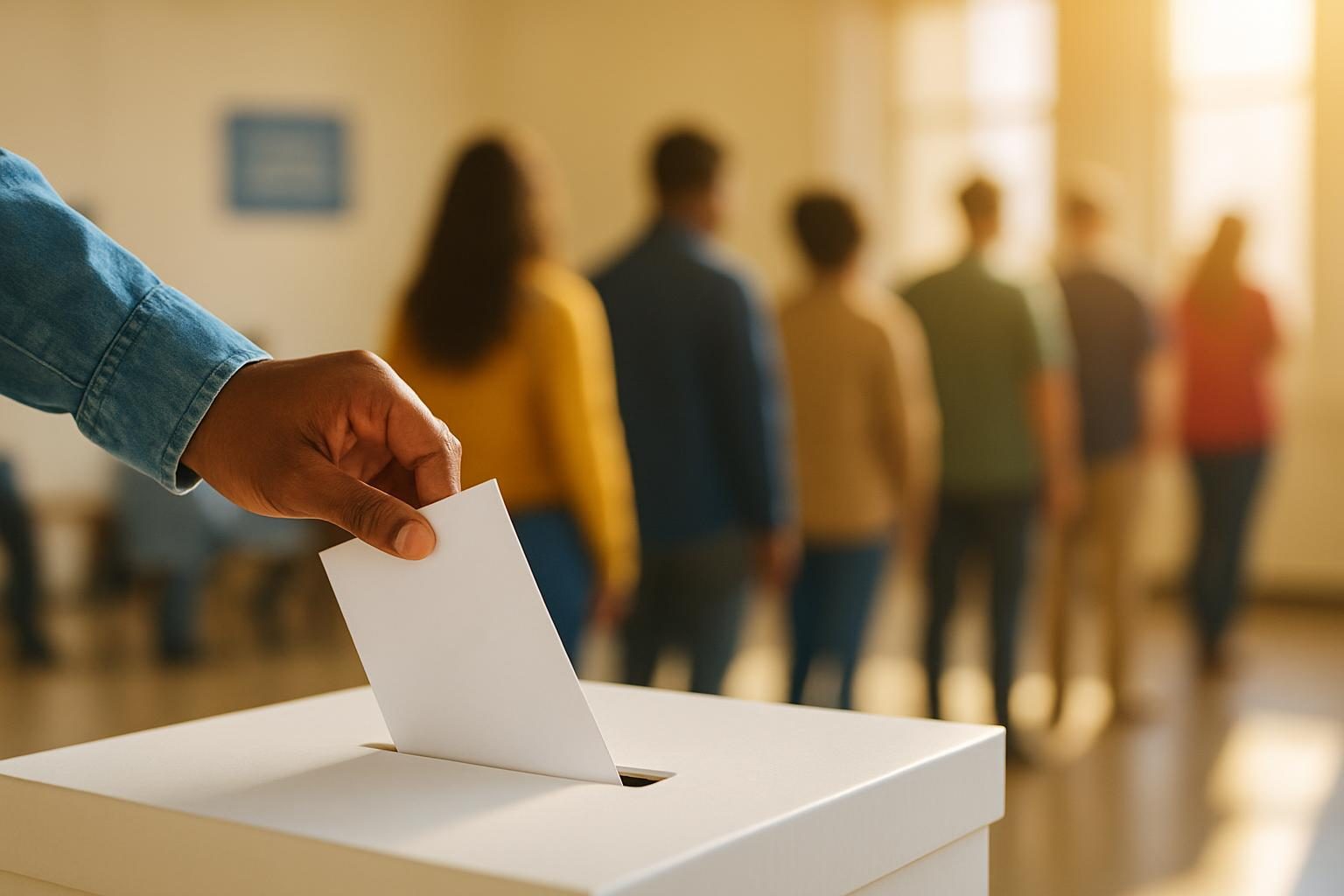
Elections are won and lost on turnout, and turnout depends on a smooth voting experience. Long lines, confusion and understaffed sites can discourage people from voting. A strong corps of poll workers helps keep polling places open, welcoming and efficient.
That matters well beyond any one race. Whoever ends up on the ballot for the White House, the stakes of the 2028 presidential election run through thousands of local polling places. Understanding how the Electoral College works and where the 2028 swing states are shows just how much each community’s voting experience can count.
Our view: protecting access to the ballot is not a partisan act, and it is one of the most practical ways to put progressive values into action. When everyone eligible can vote easily and be heard, our democracy is stronger.
Take action: This week, search for your county election office and look for its poll worker page. Fill out an application or send a quick email asking how to sign up, then text a friend and invite them to apply with you.
Other ways to help if you cannot work Election Day
A full-day shift is not for everyone, and that is fine. There are other ways to strengthen elections in your community.
- Help people register. Share our guides, including how to register to vote and how to vote by mail.
- Check your own status. Make sure your registration is current well before the next election.
- Ask about shorter shifts. Some offices have early-voting roles or partial days.
- Spread the word. Tell coworkers, classmates and neighbors that poll workers are needed.
- Offer language skills. Bilingual volunteers can make a big difference at many sites.
Rules and options differ in every state, so check vote.gov or your state election office for official information. If you want to dig into your state’s registration steps, we have guides for places like Pennsylvania, Georgia and Michigan, with more states coming, including Colorado, Minnesota and Oregon.
You can also browse everything in our Voting & Registration section.
Key takeaways
- Apply to be a poll worker through your county or local election office.
- Age, residency, registration and other requirements differ by state and county.
- Training is usually provided, and you do not need election experience.
- Expect a long day, often starting before polls open and ending after they close.
- Pay varies widely, so ask your county election office for the details.
- Check vote.gov or your state election office for official voting rules.
Last updated October 2026. Dates and candidate news change fast; we update this page as things are announced.
Frequently asked questions
Do I have to be a registered voter to be a poll worker?
Often, yes, but not always. Many places require poll workers to be registered voters in the county or state, while some allow students or other residents who are not yet old enough to vote. Rules differ by state and county, so confirm with your county election office.
How old do you have to be to work at the polls?
It depends on where you live. Most places set a minimum age, and some have youth or student poll worker programs for teens. Because the age rules vary by state and county, check with your local election office for the exact requirement.
Do poll workers get paid?
In most places, yes, but the amount varies widely. Pay may be a flat daily stipend or an hourly wage, and training time may be paid or unpaid. Your county election office can tell you exactly what applies in your area.
Can I choose which polling place I work at?
Sometimes. Many offices try to match you with a location near home, but assignments depend on where help is needed. Tell your county election office your preferences when you apply, and be flexible if you can.
Do I have to be a member of a political party to serve?
No, party membership is not what makes you a poll worker. In many places, election offices aim for a balance of parties at each location, so some counties ask about party affiliation or recruit through party channels. Ask your county election office how it works locally.