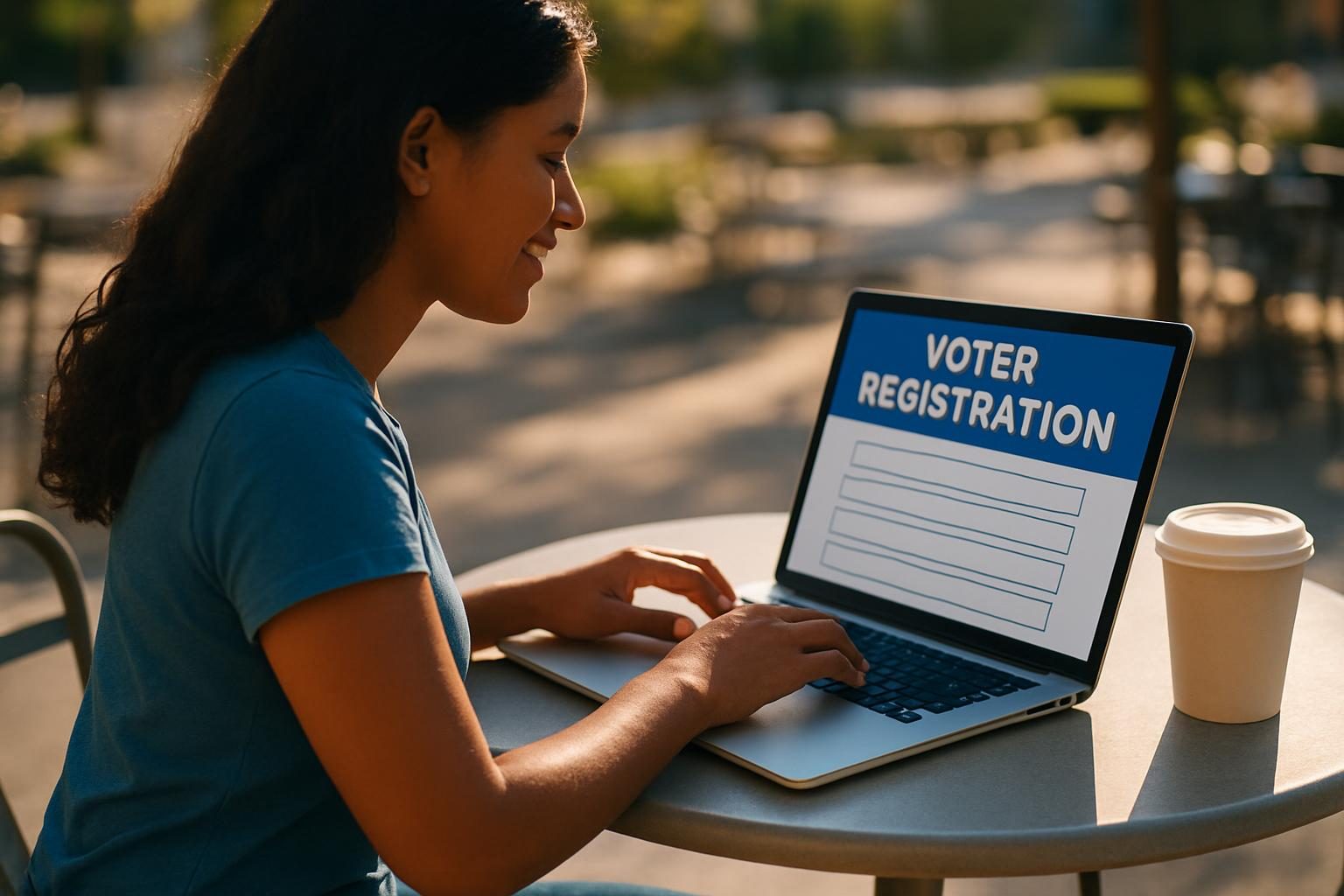
Voting starts with one simple step: making sure you are registered. It takes a few minutes, it is free, and it puts your voice in every election to come, from the 2026 midterms to the race for the White House in 2028. Here is how to register to vote, check your status, and stay ready, whatever state you call home.
Quick answer: To register to vote, go to vote.gov, choose your state, and follow the link to your official registration options: online (in most states), by mail, or in person. Rules and deadlines vary by state, so confirm yours on vote.gov or with your state election office. North Dakota has no voter registration.
Why registering matters more than ever
Elections are decided by the people who show up, and you cannot show up if you are not on the rolls. Registration is the front door to everything else: choosing your next senator, your governor, your school board and, in 2028, the next president.
The calendar is already moving. The 2026 midterm elections are Tuesday, November 3, 2026, with all 435 House seats, about a third of the Senate and 36 governorships on the line. Our guide to the 2026 midterm elections and what is at stake for 2028 explains why this fall matters so much.
Then comes the big one: the general election on Tuesday, November 7, 2028. Primaries and caucuses begin early in 2028, and many states have rules about who can vote in them. Getting registered now, and keeping your record current, means you never have to scramble.
Who can register to vote?
Eligibility is set by each state, but the basics are similar nearly everywhere. You generally need to be a US citizen, meet your state’s residency requirement, and be old enough to vote by Election Day. Some states also have rules about certain criminal convictions or court-declared mental incapacity.
Because details differ, treat your state election office as the final word. The simplest route is vote.gov, which links you to the official rules for every state and territory. We are not lawyers, and nothing here is legal advice; it is a map to point you toward the official source.
Registering before you turn 18
Many states let younger people sign up ahead of time so they are ready the moment they are eligible. The rules vary, including the age you can start. Our upcoming guide on whether you can register to vote at 17 will walk through pre-registration in detail.

Your three ways to register: online, by mail, in person
Every state gives you at least one way to register, and many give you all three. Pick the one that fits your life. Here is how they compare.
| Method | How it works | Best for | Watch out for |
|---|---|---|---|
| Online | Fill out your state’s official web form, usually in a few minutes | Anyone in a state that offers it who wants speed and a clear record | Not every state offers it; some ask for a state ID number or similar details |
| By mail | Complete a paper form and send it to your election office | People who prefer paper or whose state lacks online registration | Allow time for delivery and processing; confirm the mailing address and any ID rules |
| In person | Register at an election office or another designated location | Anyone who wants help, has questions, or needs to fix a problem | Office hours and locations differ; bring whatever your state asks for |
Whichever route you choose, start at vote.gov. It sends you to your own state’s official page, so you are never guessing about the right place to go.
Registering online
Online registration is the fastest option for most people, and most states offer it. You enter your name, address, date of birth and any identification details your state requires, then submit. Our upcoming explainer, can you register to vote online, covers how it works and what to expect.
Use only official government websites. The link format on vote.gov is simple: for example, vote.gov/register/ohio or vote.gov/register/new-york. If a site asks for a payment to register, that is a red flag, because registering to vote is free.
Registering by mail
If you prefer paper, or your state does not offer online registration, you can complete a form and mail it in. Vote.gov helps you find your state’s form and the right address. Fill it out clearly, double-check your information, and send it with plenty of time to spare.
Keep a note of the date you mailed it. A quick status check a week or two later will tell you whether it went through.
Registering in person
You can often register at a local election office, and many states also offer registration at other public offices, such as motor vehicle agencies. In-person registration is great if you have questions or a tricky situation, because a real person can help you on the spot. Check your state election office for locations and hours before you go.
Registering takes minutes, but it unlocks every election for years to come.
How to register to vote, step by step
The exact screens differ by state, but the process follows the same shape. Here is a simple path you can follow today.
- Go to vote.gov. Choose your state to see its official rules, options and links.
- Confirm you are eligible. Check your state’s requirements for citizenship, age and residency.
- Gather your information. You will typically need your full name, address and date of birth, and possibly a state ID or the last digits of a Social Security number, depending on your state.
- Choose your method. Register online if available, or use a mail form or in-person option.
- Submit and save proof. Keep a screenshot, confirmation number or copy of your form.
- Check your status. After a short wait, confirm your registration went through.
That is it. Six steps, mostly done from your couch.
Check that you are registered right now
Even if you registered years ago, it is worth a quick check. Records can go out of date after a move, a name change, or a long stretch without voting. A two-minute look today can save a headache later.
Your state election website, reachable through vote.gov, usually lets you look yourself up. Our upcoming guide on how to check voter registration status will walk you through it step by step.
Take action: Open vote.gov right now, pick your state, and confirm your registration status. Then text one friend or family member and ask them to do the same.

Moved? Update your registration
Your registration is tied to where you live, so a move usually means an update. That is true if you moved across town, to a new county, or to a different state. Skipping this step is one of the most common reasons people hit trouble at the polls.
Many states let you update your address online using the same system as new registration. If you moved to a new state, you will generally need to register there. Our upcoming guide on how to update voter registration after moving covers the details.
Name changes and other updates
Got married, divorced, or changed your name for another reason? Your voter record should match your current identification. Most states let you update your name through the same channels you use to register. Check your state election office for the specific steps and any documents they ask for.
College students: home or school?
Students often have a real choice about where to register, and the rules can be nuanced. Our upcoming college students voting guide breaks down the home-versus-school question. In the meantime, check your state’s rules at vote.gov before you decide.
Same-day registration and deadlines
Some states let you register and vote in a single visit. Others require you to register ahead of time. Same-day registration exists in many states, but the rules differ, including when and where you can do it and what you need to bring.
Deadlines are the part that trips people up. We are not going to guess, because a wrong date could cost you your vote. Please confirm your state’s registration deadline on vote.gov or with your state election office, and do it early. Register as soon as you can rather than waiting for the last minute.
What about North Dakota?
North Dakota is the one state with no voter registration. If you live there, contact the state’s election office to learn what to bring to vote. Everywhere else, registration is part of the process.
IDs, documents and what to bring
Identification rules come in two flavors: what you need to register and what you need to vote. They are not always the same, and they vary widely by state. Some states ask for a driver’s license number or part of a Social Security number when you register. Others have separate ID rules at the polls.
Do not assume your neighbor’s experience in another state applies to you. Our upcoming guide to voter ID requirements by state will lay out what to expect. Until then, vote.gov and your state election office are the places to confirm what you need.
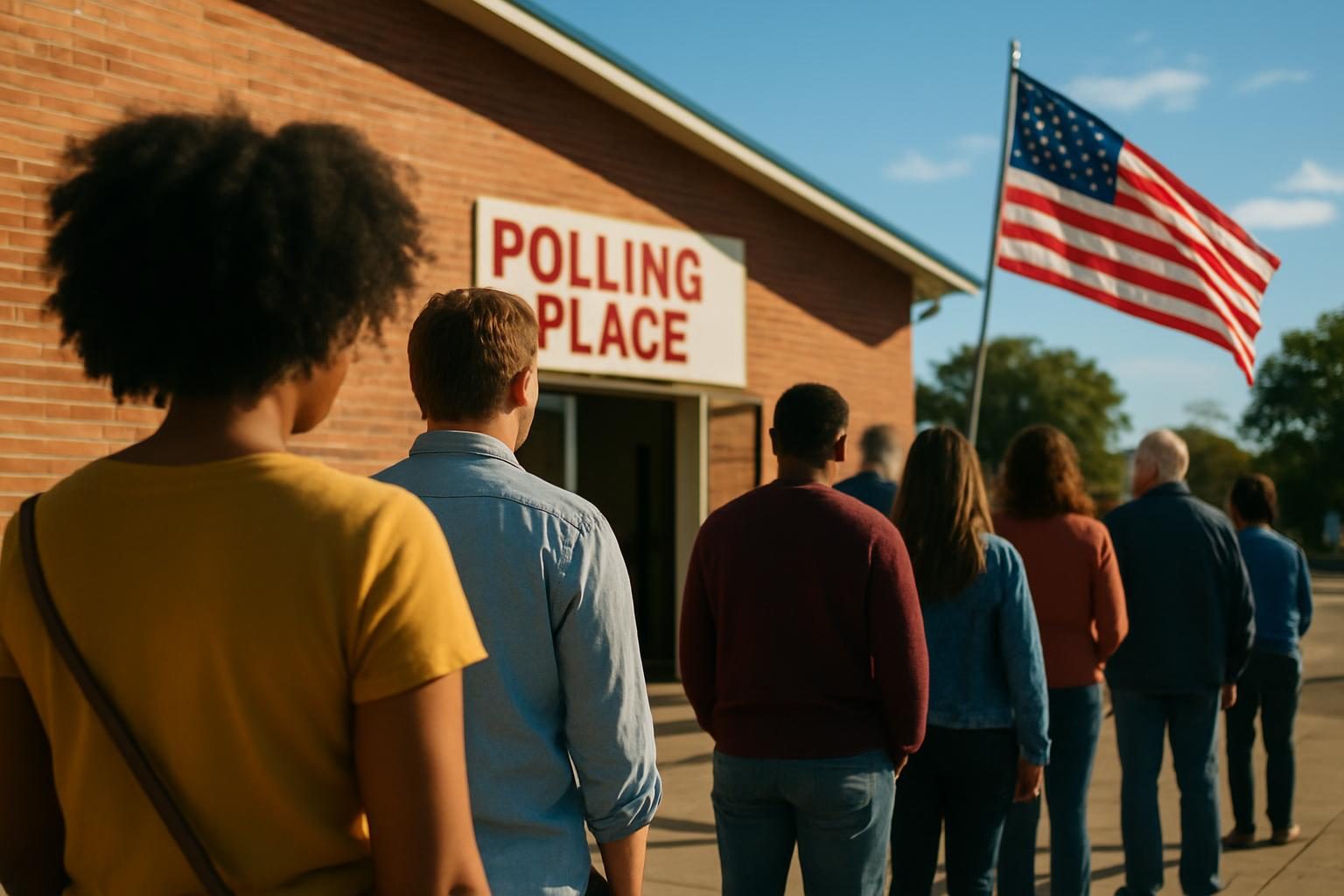
After you register: voting by mail, early voting and finding your polling place
Registering is step one. Step two is choosing how you will vote. Many states offer options beyond Election Day, and picking the one that fits your schedule can make voting a breeze.
- Voting by mail: Some states let anyone request a mail ballot; others require a reason. Our upcoming explainer on how to vote by mail will help you sort it out.
- Early voting: Many states let you vote in person before Election Day. Learn more in our upcoming guide to early voting.
- Election Day: You will usually vote at an assigned polling place. Our upcoming guide on how to find your polling place will point the way.
Each state sets its own options and rules. Check vote.gov or your state election office for what applies to you.
Voting in primaries: why registration matters early
Primaries are where parties choose their nominees, and some states ask you to register with a party to vote in them. Others let you vote in a primary regardless of party. Those rules differ, so check your state before you assume.
The 2028 Democratic primary calendar is taking shape. The DNC approved its early window on August 15, 2026, at its summer meeting in Austin, Texas, with South Carolina on January 22, 2028, followed by Nevada, New Hampshire, New Mexico, Michigan and Virginia, and Super Tuesday on March 7, 2028. See every date in our 2028 Democratic primary calendar.
If you live in an early state, being registered correctly matters even more. Check your state’s primary rules and any party-registration requirements well ahead of time. New Hampshire’s state law requires it to hold the first primary in the nation, which clashed with the DNC calendar in 2024, so watch for changes there.
Registration by state: where to find the rules
Every state runs its own elections, which is why the details vary. The good news is that you do not have to hunt for the right page. Vote.gov gives each state its own official link using a simple pattern: vote.gov/register/your-state-name.
For example, Ohio’s page is vote.gov/register/ohio, and New York’s is vote.gov/register/new-york. Swap in your own state’s name and you are there. We are building state-by-state guides for the places that matter most in 2028, including how to register to vote in Pennsylvania, Michigan and Georgia. More will follow, and you can browse our full Voting & Registration section as it grows.
Every election is decided by the people who show up, and showing up starts with being registered.
Where to start: your quick roadmap
Feeling overwhelmed? Do not be. Here is a simple order of operations that takes less than an afternoon.
- Today: Visit vote.gov and check whether you are registered.
- This week: Register or update your record if needed, especially if you moved or changed your name.
- This month: Learn your voting options, including mail, early and Election Day, and make a plan for November 3, 2026.
- Ongoing: Help friends and family get registered, and look for ways to volunteer.
Then keep your eyes on the horizon. The 2028 contest is wide open: as of early October 2026, no major Democrat has formally declared a presidential run. Our 2028 Democratic candidates tracker follows the people widely reported as possibilities, and our 2028 presidential election hub collects the dates and what comes next.
Get involved: register others, volunteer, vote
Registering yourself is great. Helping others do it is how movements grow. You can volunteer at a registration drive, remind friends to check their status, or offer a ride to a local election office.
Small acts add up. A text to a cousin who just moved, a table at a community event, a conversation at the dinner table: that is how turnout is built. We are optimistic because ordinary people, doing ordinary things, change elections.
Our view: a democracy is strongest when more people take part, and we think everyone eligible should be able to register and vote without hassle. That is why we point you to official sources and keep this guide current.
Key takeaways
- Start at vote.gov: pick your state for official rules, options and registration links.
- You can usually register online, by mail or in person; most states offer online registration.
- Check your status now, and update your record after any move or name change.
- Deadlines, same-day registration and ID rules vary by state, so confirm yours on vote.gov or with your state election office.
- North Dakota is the only state with no voter registration.
- The 2026 midterms are November 3, 2026, and the 2028 general election is November 7, 2028.
Last updated October 2026. Dates and candidate news change fast; we update this page as things are announced.
Frequently asked questions
What is the easiest way to register to vote?
For most people, it is online, if your state offers it. Visit vote.gov, pick your state, and follow the link to your official registration page. If your state does not offer online registration, you can use a paper form by mail or register in person. Rules differ, so always confirm on vote.gov or with your state election office.
How do I know if I am already registered?
You can check your registration status through your state’s official election website, which you can reach through vote.gov. It usually takes a minute or two and asks for basic details like your name, date of birth and address. If you cannot find yourself, or the information is out of date, re-register or update your record.
Do I need to re-register if I move?
In most cases, yes: your registration is tied to your address, so a move usually means updating your record, especially if you move to a new state, county or district. Many states let you update online. Check vote.gov or your state election office for the exact rules that apply to you.
Can I register on the same day I vote?
Same-day registration exists in many states, but the rules differ a lot: some allow it during early voting, some on Election Day, and some require specific documents. Other states do not offer it at all. Do not assume; confirm your state’s rules on vote.gov or with your state election office well before you head to the polls.
Is there a state with no voter registration?
Yes. North Dakota does not have voter registration. Everywhere else, you need to be registered according to your state’s rules. If you live in North Dakota, check with the state’s election office to understand what you need to bring to vote.