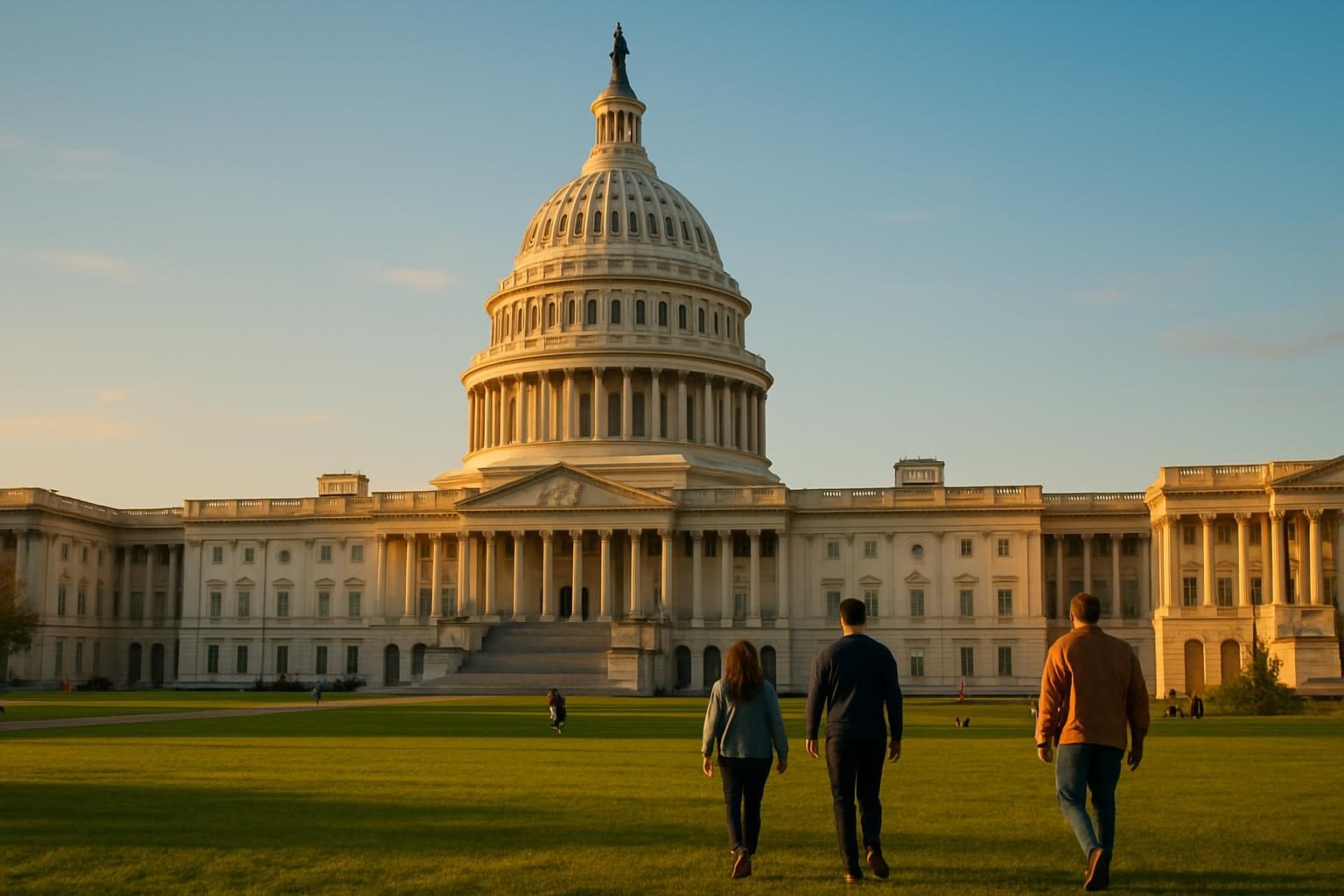
Your governor probably affects your daily life more than almost anyone in Washington. They shape your schools, your health care, your roads and, in many states, how smoothly your election runs. And this year, 36 states get to choose.
The 2026 governor races are one of the biggest opportunities of the midterm season, and they are easy to overlook. Let’s change that, one clear explanation at a time.
Quick answer: Thirty-six states elect a governor on Tuesday, November 3, 2026, the same day as the midterms. These races shape state policy on schools, health care, jobs and voting, and they help build the political machinery for 2028. Register, check your status and make a plan to vote.
What are the 2026 governor races, and when are they?
On Tuesday, November 3, 2026, voters will pick governors in 36 states. It is the same day as the midterm elections, when all 435 House seats and about a third of the Senate are also on the ballot. If you want the full picture of that day, see our guide on when the 2026 midterms are and what is on the ballot.
Some governors are running for another term. In other states the seat is open, which usually means a more competitive race and more fresh faces. Your state election office has the official list of candidates for your ballot.
We are not going to list every candidate here, because fields change and we only publish what is verified. What we can do is show you why these races matter and how to find the ones in your state.
Why governors matter more than you think
Governors are the people who actually run state government. They sign or veto bills, propose budgets and appoint leaders to state agencies and courts. When Washington gridlocks, states keep moving, and governors are at the wheel.
What a governor can do for your family
- Schools: Governors propose education budgets and set priorities for public schools and state colleges.
- Health care: They shape how states handle Medicaid, public health and access to care.
- Jobs and costs: They influence economic development, state taxes and what gets built.
- Voting: Governors sign or veto election laws and often work closely with the officials who run elections.
- Emergencies: They lead state responses to storms, floods, fires and outbreaks.
Want to see where Democrats stand on the big policy questions? Our explainer on Democratic Party platform issues is a good place to start.
Governors do not just manage states. They decide whose voices count, whose schools get funded and whose families get a fair shot.
How the 36 races fit into the bigger midterm picture
Midterms are a report card on the party in power, and they are also a chance to change direction. Governor races sit right alongside the fight for Congress, so strong turnout in one helps the others. If you are curious about the history of big swings, read our piece on what a blue wave means.
It is worth looking at the whole ballot. In many states you will vote for governor, a U.S. House member and possibly a senator all at once. Our look at the 2026 Senate races to watch and our explainer on what happens if Democrats win the House show how those pieces connect.
For the full overview, our hub page on what the 2026 midterms mean for 2028 pulls it all together.
Why these races shape 2028
Governors are often the leaders of their state parties and the face of a party’s message. A governor who wins big builds a network of staff, donors and volunteers that can matter for years. That is one reason governors show up so often in conversations about the next presidential race.
As of early October 2026, no major Democrat has formally declared a 2028 presidential run. But several current governors are widely reported as potential candidates, including Gavin Newsom of California, Josh Shapiro of Pennsylvania, JB Pritzker of Illinois, Gretchen Whitmer of Michigan and Andy Beshear of Kentucky. They are potential candidates only, and none has announced anything. Follow the field on our 2028 Democratic candidates tracker.
Midterm results also send signals about the national mood. We are preparing a deeper look at how midterm results shape the next presidential race, and we will link it here once it is live.
Early states and statehouses
State leaders also matter in the primary calendar. The DNC approved its 2028 early window on August 15, 2026, with South Carolina first on January 22, 2028. Michigan is on that calendar too (February 22), and its governor is on our potential-candidate list. For every date, see our 2028 Democratic primary calendar.
The road to the White House runs through statehouses, and it starts with showing up in November 2026.
Your step-by-step plan for the 2026 governor races
You do not need to be a political expert to make a difference. Here is a simple plan you can start today.
- Check your registration. Go to vote.gov (swap in your own state name in the web address, such as new-york) to see your state’s official rules and online registration link.
- Confirm deadlines. Registration and mail ballot deadlines vary by state. Always confirm them on vote.gov or with your state election office, and do it early.
- Look up your ballot. Your state election office can show you who is running for governor and for other offices where you live.
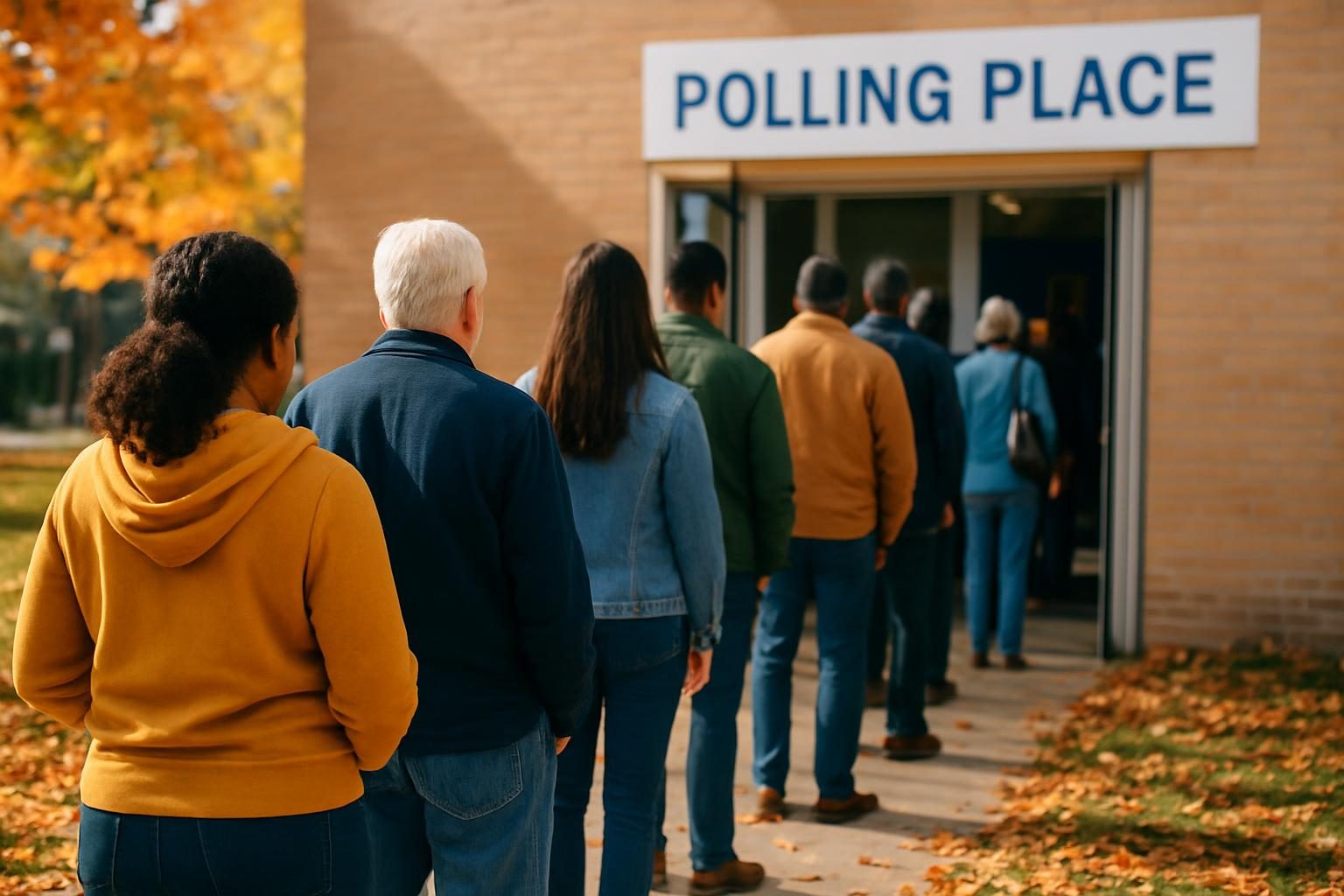
- Make a voting plan. Decide when and how you will vote, whether in person, early or by mail where your state allows it.
- Bring someone with you. Text a friend, a sibling or a coworker and ask if they are registered.
Need a full walkthrough? Our guide on how to register to vote in every state covers the basics in plain language.
A quick state-by-state reality check
Every state runs its own elections, so the details really do differ. Here is a simple table to keep the key facts straight.
| Question | Answer |
|---|---|
| Election date | Tuesday, November 3, 2026 |
| States electing a governor | 36 |
| Also on the ballot nationwide | All 435 House seats and about a third of the Senate |
| Where to find registration rules | vote.gov or your state election office |
| State with no voter registration | North Dakota |
| Same-day registration | Available in many states, but rules differ |
Not sure which of these applies to you? Do not guess. The official sources above will tell you exactly what your state requires.

Get involved: it is easier than you think
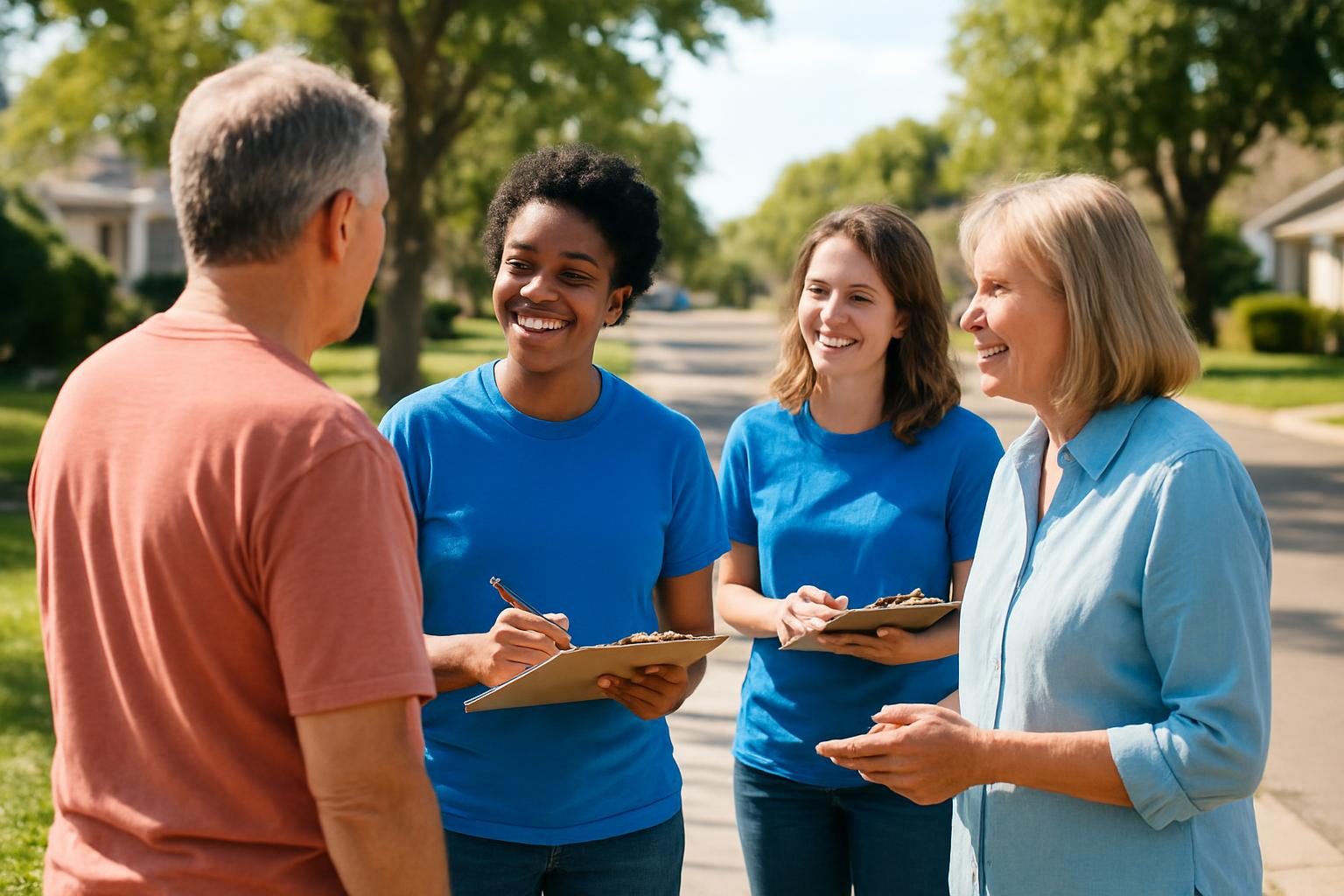
Races for governor are often decided by communities that show up. Volunteer shifts, phone banks, rides to the polls and simple conversations with neighbors all add up. You do not need a campaign title to matter.
Here is our view: a state that is engaged and well informed is a state that holds its leaders accountable. That is not a partisan idea, but it is one we believe progressives can lead on.
Take action: Open vote.gov right now, check that your registration is current, then send the link to one friend. Two minutes today can mean two more votes in November.
Looking ahead, the 2028 general election is on Tuesday, November 7, 2028, with the inauguration on January 20, 2029. Keep our 2028 presidential election hub bookmarked, and see all our Midterms 2026 coverage for more.
Key takeaways
- Thirty-six states elect a governor on Tuesday, November 3, 2026.
- Governors shape schools, health care, jobs, emergencies and often election rules.
- No major Democrat has formally declared a 2028 run; several governors are only widely reported as potential candidates.
- Voter registration rules and deadlines differ by state, so confirm yours on vote.gov or with your state election office.
- North Dakota is the only state with no voter registration.
- Your vote, your volunteer hour and one conversation with a friend all count.
Last updated October 2026. Dates and candidate news change fast; we update this page as things are announced.
Frequently asked questions
When are the 2026 governor elections?
They take place on Tuesday, November 3, 2026, the same day as the midterm elections. That day also includes all 435 House seats and about a third of the Senate. Confirm your polling place and hours with vote.gov or your state election office, and use our 2026 voting checklist to prepare.
How many governors are on the ballot in 2026?
Thirty-six governor’s offices are up for election on November 3, 2026. Some of those races have an incumbent running again, and others are open seats. Check your state election office for the candidates on your own ballot.
Why do governor races matter for the 2028 presidential election?
Governors often oversee how elections are run and appoint or work with the officials who do. They also lead state parties, build campaign networks and, in some cases, become presidential contenders. Several governors, including Gavin Newsom, Josh Shapiro, JB Pritzker, Gretchen Whitmer and Andy Beshear, are widely reported as potential 2028 Democratic candidates, but none has formally declared.
Do I need to register to vote in a governor’s race?
In almost every state, yes. North Dakota is the exception because it has no voter registration. Rules, deadlines and online registration links for every state are on vote.gov, and same-day registration exists in many states but the rules differ, so confirm yours before Election Day.
How can I find out who is running for governor in my state?
Your state election office publishes official candidate lists and sample ballots, and vote.gov links you to the right place for your state. You can also check back here, since we update this page as news develops.