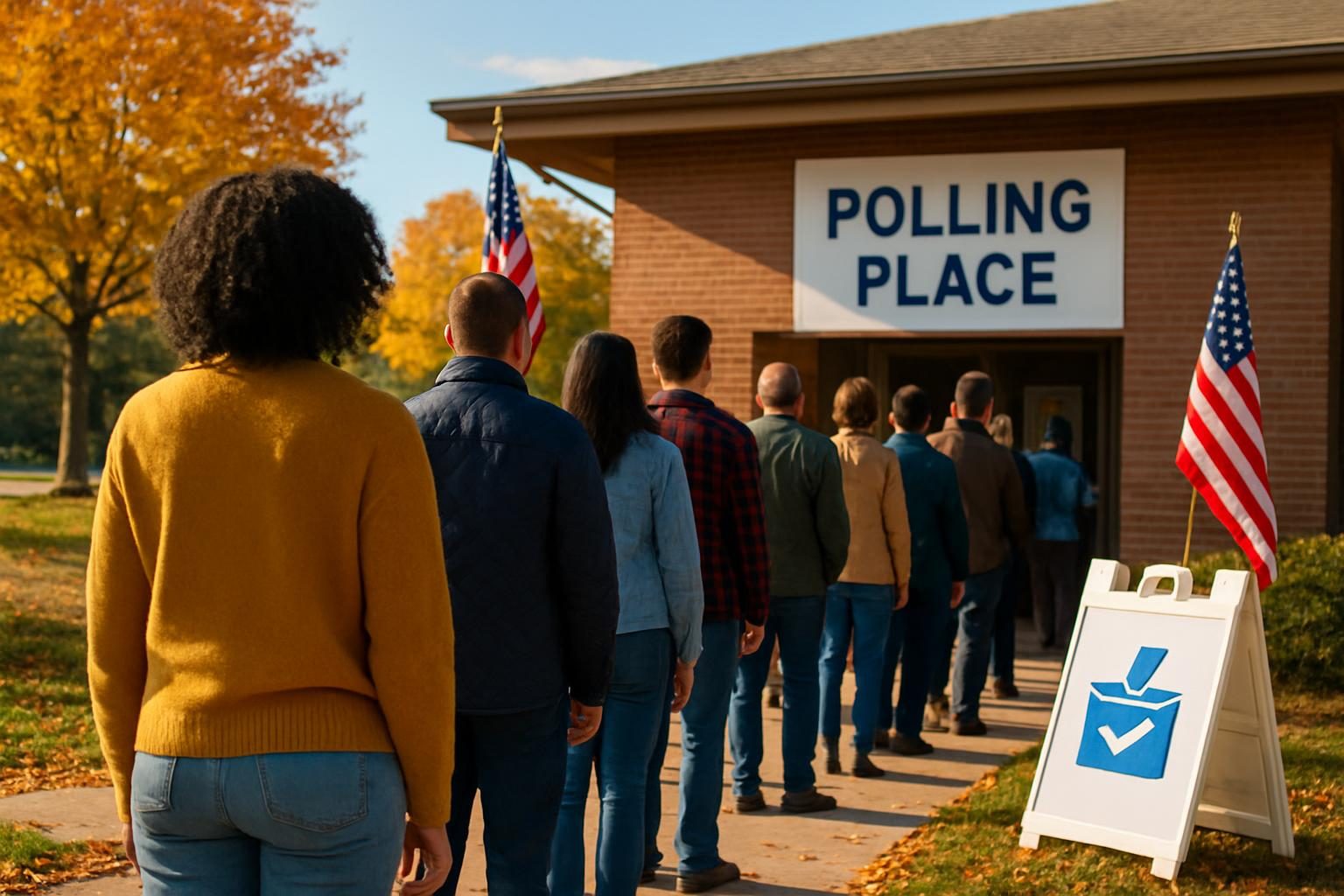
The midterms are almost here, and they will shape the next two years of American life, and the road to the White House in 2028. If you have been wondering when the 2026 midterm elections are and what you will actually be voting on, you are in the right place. Here is everything you need, in plain language.
Quick answer: The 2026 midterm elections are on Tuesday, November 3, 2026. All 435 U.S. House seats, about a third of the Senate and 36 governorships are up for election, plus many state and local races. Check your registration and voting options at vote.gov or with your state election office.
The date: Tuesday, November 3, 2026
Mark your calendar: Tuesday, November 3, 2026. That is Election Day for the 2026 midterms, held every four years in the middle of a presidential term.
Why “midterm”? Because the vote lands halfway between presidential elections. The last presidential race was in 2024, and the next one is Tuesday, November 7, 2028. In between, voters get a powerful chance to weigh in on how things are going.
One important note: many states offer early voting, mail voting or both, and the rules differ from place to place. We will not guess at your state’s options. Confirm them on vote.gov or with your state or local election office.
Key dates at a glance
| Event | Date |
|---|---|
| 2026 midterm elections | Tuesday, November 3, 2026 |
| 2028 general election | Tuesday, November 7, 2028 |
| Electors meet | December 18, 2028 |
| Presidential inauguration | January 20, 2029 |

What is on the ballot in the 2026 midterms
The midterms are not one election. They are thousands of elections happening at once, and what is on your ballot depends on where you live. Here is the national picture.
All 435 seats in the U.S. House
Every single House seat is up every two years. That makes the House the most direct way for voters to change direction in Washington. The party that controls the House decides which bills get votes, which investigations get opened and who chairs the powerful committees.
Curious about what a change in control could mean? We are working on a guide to what happens if Democrats win the House in 2026.
About a third of the U.S. Senate
Senators serve six-year terms, and the terms are staggered, so roughly one-third of the chamber is up in any given cycle. Senate seats are decisive for confirming judges and Cabinet officials. Our upcoming guide to 2026 Senate races to watch will break down the contests that matter most.
36 governorships
Thirty-six states are choosing a governor this year. Governors run state budgets, sign or veto laws and oversee how elections are administered in their states. Several governors who are often mentioned as possible 2028 presidential candidates have a lot riding on how their states vote. More in our upcoming explainer on 2026 governor races.
Your state and local ballot
Look closely at the bottom of your ballot. Many states and localities also vote on state legislators, judges, mayors, county officials, school boards and ballot measures. These races often shape everyday life the most: schools, housing, public safety, local taxes.
They can also be decided by very small margins, which means one neighborhood’s turnout can matter more than people expect.
The midterms are thousands of elections at once, and the ones closest to home often shape daily life the most.
Why the midterms matter for 2028
Here at Vote Blue Wave, we see the midterms as the first big step toward the 2028 election. Who controls Congress and the statehouses affects what gets done, what gets blocked and which political stories dominate the next two years. That is our view, and we think it is hard to argue with.
The results also shape the presidential field. Strong midterm showings can boost the profile of governors, senators and House members who are often mentioned as possible 2028 contenders. For a deeper look, see our hub on 2026 midterm elections: what’s at stake for 2028, and watch for our upcoming piece on how midterm results shape the next presidential race.
Is anyone running for president yet?
As of October 5, 2026, no major Democrat has formally declared a 2028 presidential run, and no major Republican has either. Plenty of names are widely reported as potential candidates, but “potential” is the key word. We track the field in our upcoming 2028 Democratic candidates tracker, and we will update it as soon as anything is official.
Curious about the bigger picture? Start with our coming guide to the 2028 presidential election.
How to get ready to vote
Voting starts well before Election Day. A few simple steps now can save you stress later.
- Check your registration. Visit vote.gov, choose your state and confirm your status. Each state’s official rules, deadlines and online registration links are there.
- Confirm your deadline. Registration deadlines vary by state. We will not give you a number, because the only one that counts is the one your state publishes. Check vote.gov or your state election office.
- Look into same-day registration. Many states offer it, but the rules differ. Find out if yours does.
- Pick your way to vote. Early, by mail or in person on Election Day: options depend on your state, so verify before you plan.
- Make a plan. Know your polling place or ballot return method, and pick a time to vote.
North Dakota is the one state with no voter registration at all. Everywhere else, registration matters, so do not assume you are set. If you moved, changed your name or have not voted in a while, double-check.
Need a refresher? Our upcoming guide on how to register to vote in every state is on the way.
Take action: Open vote.gov right now, pick your state and confirm you are registered. Then text one friend or family member and ask them to do the same. It takes five minutes and it is the most powerful thing you can do today.
Registration takes minutes. Confirming it today means no surprises on Election Day.
Get involved beyond your own vote
Your ballot is powerful. A group of people showing up together is even more powerful. If you want to help Democrats and progressives win in November, here are practical ways to pitch in.
- Volunteer locally. Campaigns and local groups need people to knock on doors, make calls and send texts.
- Help people register. Share vote.gov with friends, classmates, coworkers and neighbors.
- Offer rides or reminders. A simple “Are you voting? Do you have a plan?” can make the difference.
- Work the polls. Many local election offices need poll workers. Contact yours to learn how.
Not sure where Democrats stand on the big issues? Our upcoming explainer on where Democrats stand heading into 2028 will help you talk to friends and neighbors with confidence.

Looking past November: the road to 2028
After the midterms, attention turns quickly to 2028. The DNC approved its 2028 early-window primary calendar on August 15, 2026, with South Carolina first on January 22, 2028, followed by Nevada, New Hampshire, New Mexico, Michigan and Virginia. Super Tuesday is March 7, 2028. We keep every date in our upcoming 2028 Democratic primary calendar.
The 2028 Democratic National Convention is set for August 7-10, 2028. The finalist host cities are Boston, Denver and Philadelphia, and the final pick is expected later in 2026. We will update this page when it is announced.
All of that comes later. First, there is a November to win. For more on every race and why it matters, browse our Midterms 2026 coverage.
Key takeaways
- The 2026 midterm elections are on Tuesday, November 3, 2026.
- On the ballot nationwide: all 435 House seats, about a third of the Senate and 36 governorships, plus many state and local races.
- Registration rules and deadlines vary by state. Confirm yours on vote.gov or with your state election office.
- As of October 5, 2026, no major Democrat or Republican has formally declared a 2028 presidential run.
- The next presidential election is Tuesday, November 7, 2028, and the midterms help set the stage for it.
- You can help by registering, voting, volunteering and nudging a friend to do the same.
Last updated October 2026. Dates and candidate news change fast; we update this page as things are announced.
Frequently asked questions
When are the 2026 midterm elections?
The 2026 midterm elections are on Tuesday, November 3, 2026. All 435 U.S. House seats, about a third of the Senate and 36 governorships are up for election.
Is the 2026 midterm election the same as the presidential election?
No. The midterms happen in the middle of a presidential term, two years after the last presidential race. The next presidential general election is Tuesday, November 7, 2028, with Inauguration Day on January 20, 2029.
How do I register to vote for the midterms?
Every state’s official registration rules, deadlines and online registration links are on vote.gov. Pick your state, confirm your deadline and check whether your state offers same-day registration. North Dakota is the one state with no voter registration.
What offices are on the ballot in 2026?
Nationwide, every U.S. House seat, roughly one-third of Senate seats and 36 governorships are up. Many states and localities also vote on state legislators, judges, mayors, school boards and ballot measures, so your ballot depends on where you live.
Does anyone’s presidential campaign for 2028 start at the midterms?
As of October 5, 2026, no major Democrat has formally declared a 2028 presidential run, and no major Republican has either. Many potential candidates are visible in the 2026 campaign season, but nobody has officially announced. We update our tracker as that changes.