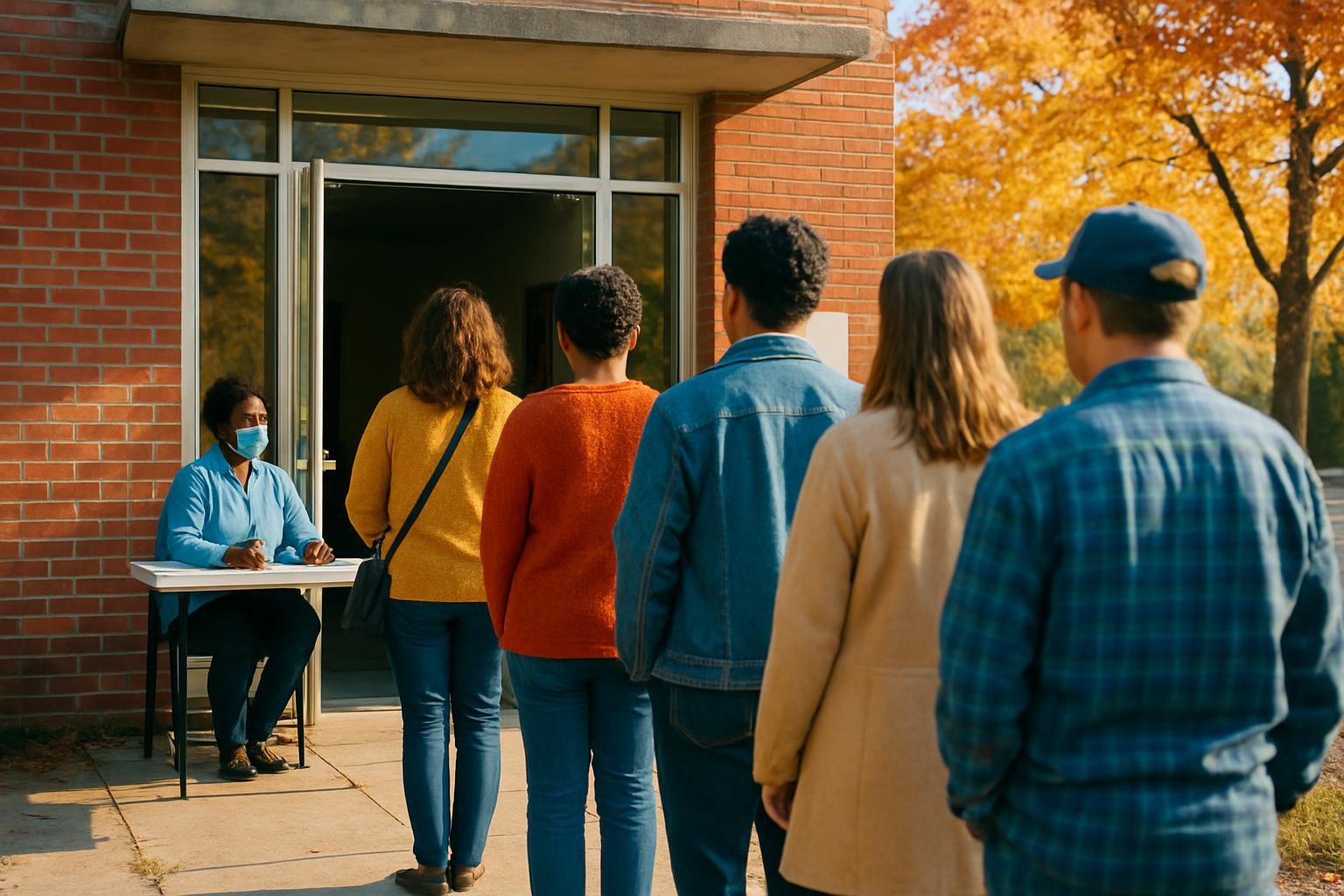
You show up, ready to vote, and a poll worker says your name isn’t on the list. Or you left your ID on the kitchen counter. Before you walk away in frustration, know this: you may still have a way to make your voice count.
That way is the provisional ballot, and it exists for exactly this moment. If you know how it works before Election Day, you can handle a bad surprise at the polls with confidence.
Quick answer: If you are turned away because your name isn’t on the rolls, you lack ID, or there is a question about your eligibility, ask for a provisional ballot. Fill it out, ask what you must do afterward, keep your receipt or tracking information, and follow up so it is counted. Rules vary by state, so confirm yours on vote.gov or with your state election office. For help in the moment, call 866-OUR-VOTE.
One note up front: this is general voter information, not legal advice. Every state runs its own elections, so the details below differ depending on where you live.
What is a provisional ballot?
A provisional ballot is a backup ballot. You fill it out like a regular ballot, but instead of going into the machine or box with the others, it goes into a sealed envelope. Election officials review it later to decide whether it should be counted.
Think of it as a “vote now, verify later” option. The poll worker can’t always settle a question about your eligibility on the spot, and the provisional ballot keeps that question from silencing you.
Federal law requires states to offer provisional ballots in federal elections to voters who believe they are eligible but run into a problem at the polls. That is a major protection, and it is worth knowing it exists.
Why you might be offered one
Provisional ballots come up more often than people expect. Common reasons include:
- Your name isn’t on the voter list, even though you believe you registered.
- You don’t have the ID your state requires, or the ID you brought isn’t accepted.
- You moved and your address on file is out of date.
- Your name or address doesn’t match exactly, such as a typo or a name change after marriage.
- The list says you already requested or returned a mail ballot, but you didn’t.
- You are at a different polling place than the one assigned to you.
Most of these are clerical problems, not signs that you did anything wrong. Mistakes in voter lists happen, and a provisional ballot is the safety net.
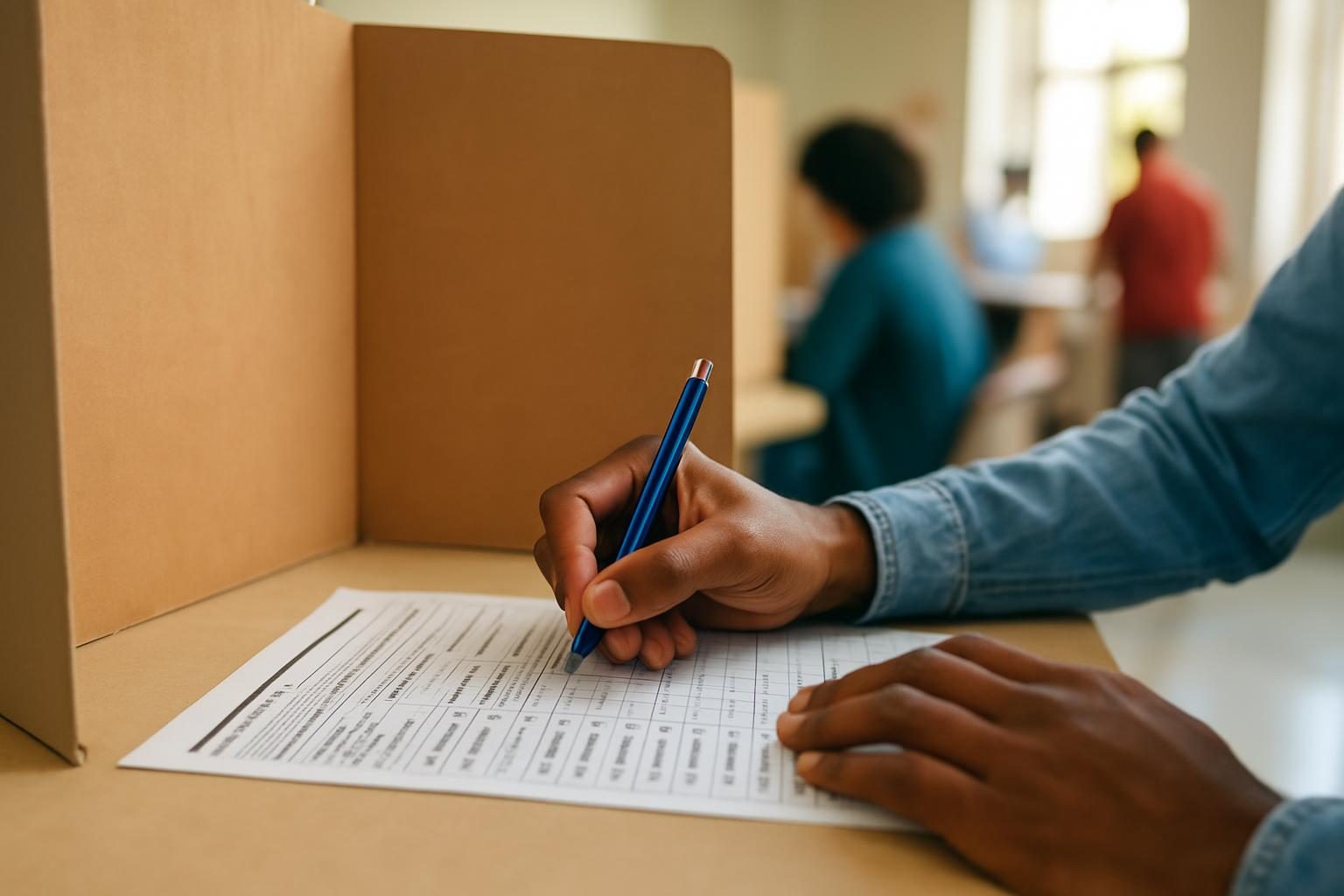
Step by step: what to do if you’re turned away
Here is a simple game plan. Stay calm and polite. You have the right to ask questions, and you don’t need to argue.
- Ask why. Find out what the problem is: not on the list, ID issue, wrong location, or something else.
- Check the polling place. Ask whether you are at the right location. If not, ask where to go, and whether you can get there in time. Some states will not count a provisional ballot cast at the wrong place.
- Ask for a provisional ballot. Say plainly: “I believe I am eligible to vote. I would like to cast a provisional ballot.”
- Read and fill out the form completely. Incomplete information is one of the most common reasons a provisional ballot can run into trouble. Print clearly and sign where required.
- Ask what happens next. Does your state require you to bring ID or other documents afterward? By when? To which office?
- Keep your receipt or tracking info. Many places give you a number, slip, or instructions to check the status later. Take a photo of it.
- Call for backup if needed. If you are refused a provisional ballot or told something that doesn’t sound right, call 866-OUR-VOTE.
Being turned away at the window doesn’t have to mean being turned away from democracy.
If your name isn’t on the rolls
Don’t panic. First, ask the poll worker to double-check the list, including alternate spellings and your previous address. Sometimes the problem is simply a lookup error.
If you still can’t be found, ask for a provisional ballot. Election officials will later look into whether you were registered, and in many cases they can find a record that the poll book missed.
Whether your provisional ballot is counted often depends on whether you were actually registered in time under your state’s rules. That is why it is smart to check your registration well before Election Day. Our guide to checking your voter registration status in minutes walks you through it.
Some states offer same-day registration, which may let you register and vote at the same time. The rules differ from state to state, so confirm yours on vote.gov or with your state election office. Our simple guide to registering in every state is a good place to start.
If you don’t have your ID
ID rules are one of the biggest differences from state to state. Some states don’t require ID at the polls for most voters. Others ask for photo ID. Others accept a wider range of documents, such as a utility bill or bank statement.
In states that do require ID, a voter without it is often offered a provisional ballot. Many of those states then give you a short window to show your ID to election officials so your ballot can be counted. The length of that window and where you must go vary, so ask the poll worker for the exact instructions in writing if you can.
The most important thing is to follow through. Casting the provisional ballot is step one. In some states, if you don’t take the follow-up step, the ballot may not be counted.
A quick comparison of common situations
| Situation | Common next step | Do you need to follow up? |
|---|---|---|
| Name not on the list | Ask for a double-check, then a provisional ballot | Yes, check your ballot status |
| No ID (in an ID state) | Cast a provisional ballot, ask about the ID deadline | Often yes, you may need to show ID afterward |
| Wrong polling place | Ask for the correct location and go there if you can | Depends on your state’s rules |
| Moved recently | Ask how your state handles address changes at the polls | Check your status afterward |
| Record says you already voted by mail | Cast a provisional ballot and explain the situation | Yes, and consider contacting the election office |
Treat this table as a general guide, not a promise about your state. Your state election office has the final word.
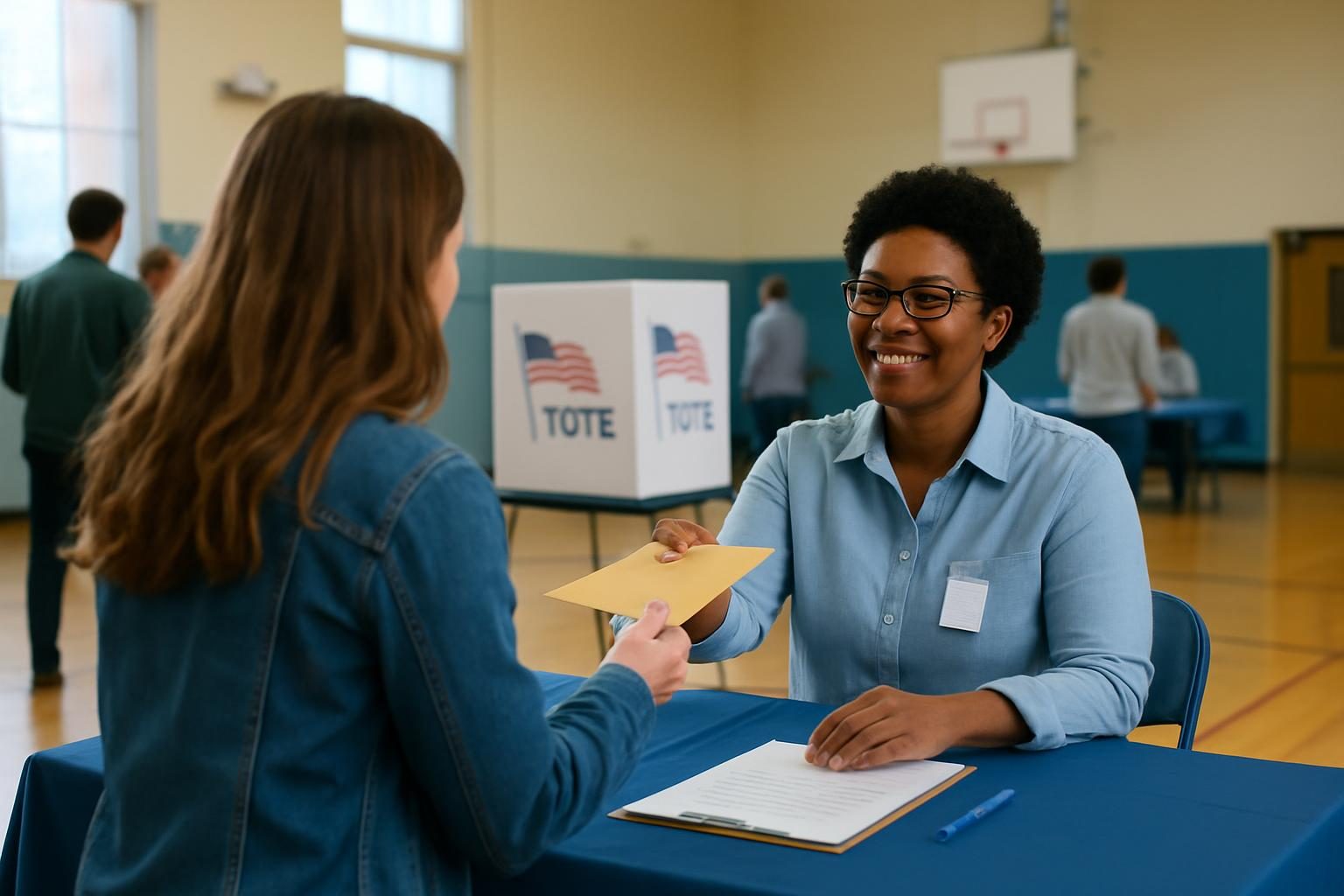
Know your rights at the polls
Every eligible voter deserves a fair shot at the ballot box. Here are protections that voters should know about, with the caveat that details vary by state:
- If you believe you are eligible and there is a problem with your registration or ID, you should be offered a provisional ballot in federal elections.
- You have the right to ask questions and to ask for a supervisor.
- If you are in line when the polls close, many states let you stay and vote. Ask a poll worker about your state’s rule.
- You can ask for help casting your ballot if you have a disability or need language assistance, under the rules in your state.
If anyone tells you something that doesn’t add up, don’t just accept it. Ask politely, then call for help.
Where to get help right now
You are not alone. Free, nonpartisan help is available.
- 866-OUR-VOTE (866-687-8683): the national Election Protection hotline, staffed by trained volunteers who can walk you through your rights and options.
- Your state or local election office: the official source for your state’s rules. You can find contact information through vote.gov.
- The poll worker or precinct supervisor: often the fastest way to resolve a problem on the spot.
Save the hotline number in your phone before Election Day. It takes ten seconds and could save your vote.
The most powerful thing you can do after casting a provisional ballot is make sure someone counts it.
How to follow up so your ballot is counted
Casting a provisional ballot is not the finish line. It is the start of a short follow-up process, and you can be the one who makes sure it works.
1. Do any required follow-up fast
If you were told to bring ID or other documents, find out the deadline and the exact place to deliver them. Ask for it in writing if you can. Don’t wait until the last day.
2. Check your ballot’s status
Most states offer a way to check whether a provisional ballot was counted, such as an online lookup, a phone number, or a mailed notice. Use the instructions you were given at the polling place, or look up your state election office through vote.gov.
3. If it wasn’t counted, find out why
Election officials generally can tell you the reason a provisional ballot was rejected. Common reasons include not being registered, voting in the wrong place, or missing paperwork. Knowing the reason helps you fix the problem before the next election.
4. Fix your registration for next time
Whatever happened, update your registration now so you are covered for the next race. Our state guides can help, including Pennsylvania, Georgia, Michigan, and Texas.

Avoid the problem in the first place
The best provisional ballot is the one you never need. A few habits go a long way:
- Check your registration well before Election Day, especially if you moved, changed your name, or haven’t voted in a while.
- Confirm your polling place. Locations can change between elections.
- Know your state’s ID rules and bring the right documents.
- Consider voting by mail if your state allows it. Our guide to voting by mail and absentee ballots explains how.
- Go early if you can, so there is time to solve a problem and try again.
With the 2026 midterms set for Tuesday, November 3, 2026, now is the time to double-check these basics. Our midterm elections guide explains what is at stake, and the 2028 general election is on Tuesday, November 7, 2028.
Why every ballot matters, and how to get involved
Voting is how we shape the schools, health care, jobs, and rights that affect our daily lives. When eligible voters get shut out by paperwork problems, democracy loses. That is why knowing your options matters, and why helping others know theirs matters too.
If you want to do more, consider helping run elections yourself. We are working on a guide to becoming a poll worker, a great way to help neighbors vote smoothly. You can also explore where the parties stand on the issues in our Democratic Party platform guide, or follow the road ahead in our 2028 presidential election hub.
Find more practical guides in our Voting & Registration section.
Take action: Right now, take two minutes to check your voter registration, save 866-OUR-VOTE in your phone, and text a friend or family member the same tips. Then confirm your state’s ID rules on vote.gov.
Key takeaways
- If your name isn’t on the rolls or you lack ID, ask for a provisional ballot instead of walking away.
- A provisional ballot is counted only after officials verify your eligibility, so follow-up matters.
- ID, deadlines, and wrong-polling-place rules vary by state; confirm yours on vote.gov or with your state election office.
- Keep your receipt or tracking information and check your ballot’s status afterward.
- Call 866-OUR-VOTE if you are refused or unsure; save the number before Election Day.
- Check your registration early so you rarely need a provisional ballot at all.
Last updated October 2026. Dates and candidate news change fast; we update this page as things are announced.
Frequently asked questions
Can a poll worker refuse to give me a provisional ballot?
In general, if you believe you are eligible and your name is not on the rolls or you lack required ID, you should be offered a provisional ballot. Federal law is designed to make sure eligible voters are not simply turned away. If you are refused, stay calm, ask for a supervisor, and call 866-OUR-VOTE right away. Rules vary by state, so confirm yours on vote.gov or with your state election office.
Does a provisional ballot always get counted?
No. A provisional ballot is counted only after election officials verify that you were eligible and registered, and the rules for that review differ by state. Casting one gives you the chance to have your vote counted, but following up matters. Use the free access system or contact information you are given to check the status.
What if I go to the wrong polling place?
Many states will not count a provisional ballot cast at the wrong location, though some will count the parts of the ballot you were eligible to vote on. Before you vote, look up your assigned polling place through your state election office or vote.gov. If you realize you are at the wrong place, ask a poll worker where to go and whether you have time to get there.
What should I do if I forgot my ID?
ID rules vary widely by state. Some states require no photo ID, some accept other documents, and some let you vote provisionally and then provide ID afterward. Ask the poll worker what your state allows, cast a provisional ballot if offered, and ask exactly what you must do and by when to have it counted.
Who can I call if I have trouble voting?
The national Election Protection hotline is 866-OUR-VOTE (866-687-8683). Trained volunteers can help you understand your rights and get help in the moment. You can also contact your state or local election office, whose information is listed on vote.gov.