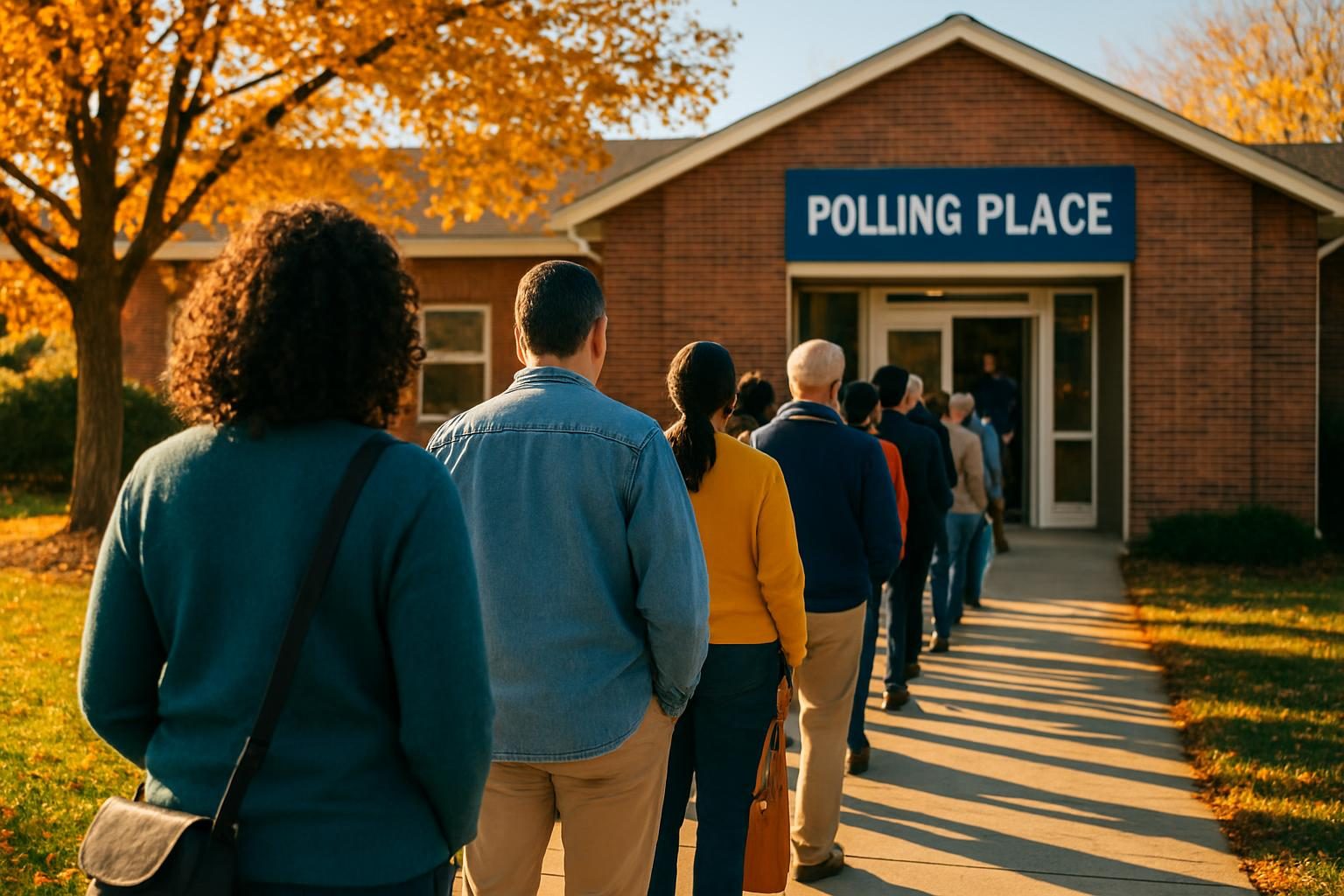
It’s the night millions of us will spend glued to a screen, refreshing maps and texting friends. The 2026 midterms decide who controls Congress, and knowing how election night actually works will keep you calm, informed and ready to act. So when do midterm election results come in 2026? Here is your plain-language guide.
Quick answer: Election Day is Tuesday, November 3, 2026. Polls close at different times across the country, and the first results can arrive within minutes of closing. Some races will be called that night, but close contests and slower-counting states can take days. Official results come later, after counties and states finish counting and certifying.
The key date: Tuesday, November 3, 2026
All 435 House seats, about a third of the Senate and 36 governorships are on the ballot on Tuesday, November 3, 2026. If you want the full rundown of what’s on your ballot, our guide to the date and what’s on the ballot has you covered.
Here’s the most important thing to know up front: election night is a process, not a single moment. Results trickle in state by state, county by county. Patience is part of the job, and so is making sure your own vote is counted.
When do polls close?
There is no single national closing time. Each state sets its own poll hours, and some states span more than one time zone. That means polls in the East close first and polls in the West and beyond close hours later.
We are not publishing a closing time for every state here, because hours vary and can differ by county or even by polling place. Always confirm your own polling place hours with your state or county election office, and check vote.gov to find your state’s official election information.
The golden rule: if you’re in line, stay in line
Rules vary by state, but in general voters who are in line when polls close are typically still able to cast a ballot. Don’t give up and go home. If you run into a problem at the polls, ask for help from poll workers and contact your local election office.
What you will see as the night unfolds
Think of election night in stages. Here is a simple way to picture it.
- Polls close in the earliest states. The first batch of results begins to appear, usually from areas that count quickly.
- Early calls on lopsided races. Races with big margins can be called soon after polls close.
- The middle of the night. More states report, and attention turns to competitive House and Senate contests.
- The late night and morning after. Close races stay uncalled while election workers finish counting ballots, including mail ballots and provisional ballots.
- The following days and weeks. Counties finish counting, states canvass and certify, and official results are set.
The first numbers you see are not the whole story. Which votes get counted first can change how a race looks at 9 p.m. versus the next morning.
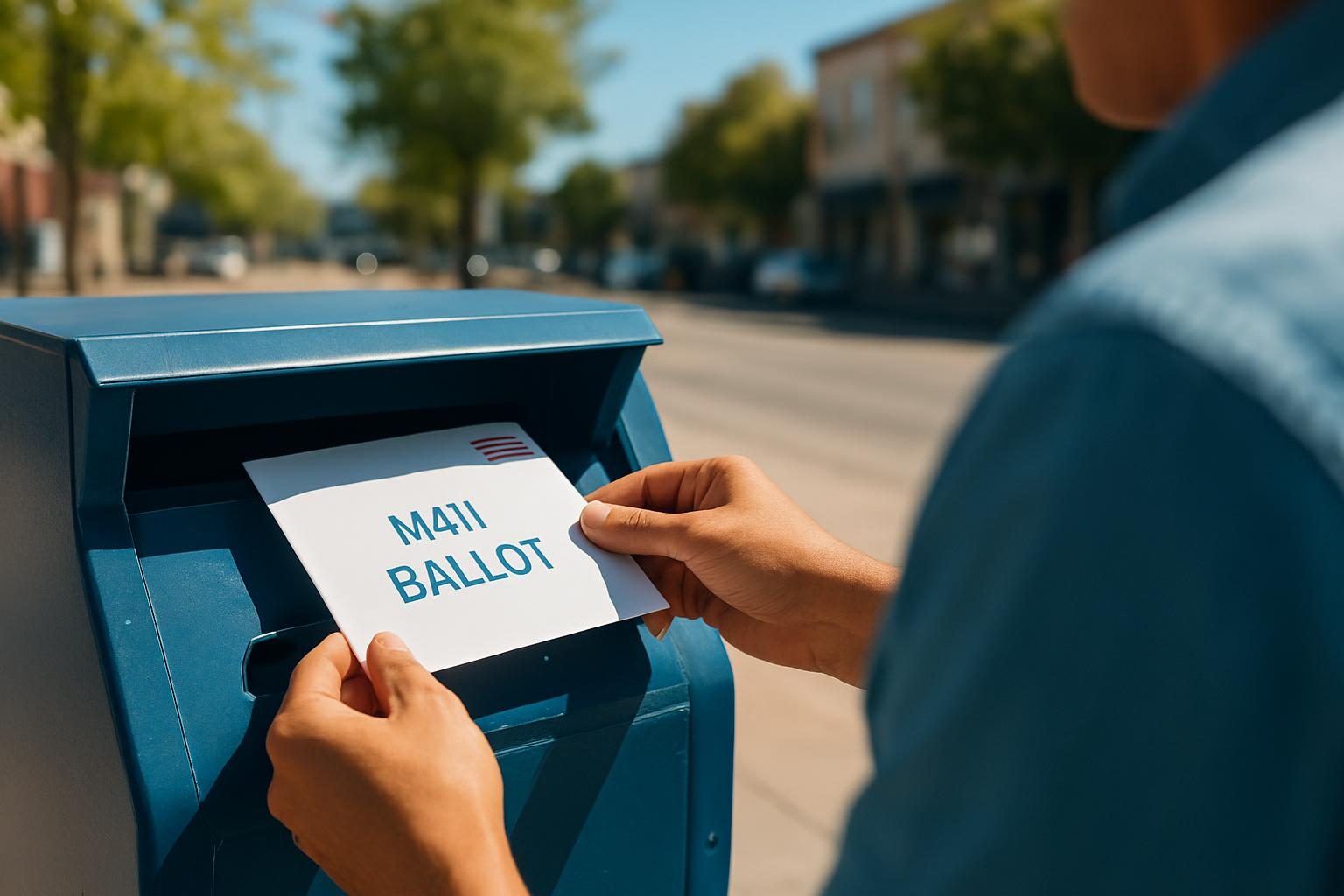
Why mail ballot counting speeds differ by state
This is the biggest reason election night feels different from place to place. States write their own rules, and those rules shape how fast results arrive.
The rules that change the pace
- When counting can start. Some states allow election workers to begin processing mail ballots (opening envelopes, verifying signatures, preparing them for tabulation) before Election Day. Others restrict that work until Election Day itself. Early processing generally means faster results.
- Deadlines for returned ballots. States differ on whether a mail ballot must arrive by Election Day or whether it can arrive later if it was sent on time. Waiting for those ballots to arrive extends the count.
- Signature and verification steps. Some states have extra steps to confirm a ballot is valid, and some give voters a chance to fix certain problems. That takes time, and it protects voters.
- Volume. A county with a huge number of mail ballots and limited staff simply needs more time.
A slow count is not a sign of something wrong. In most cases it means election workers are following the rules carefully. Our view: a count that takes a little longer but is accurate beats a fast count that misses voters.
The “red mirage” and “blue shift” idea
Different kinds of votes are often counted in a different order. In some places, in-person votes are tallied first and mail ballots later, while in others the reverse is true. As a result, a candidate’s lead can grow or shrink as more votes come in. Whether and how much this happens depends on the state and the year, so avoid assuming the early picture is final. Wait for the count to finish before drawing conclusions.
A slower count is not a broken count. It usually means election workers are making sure every eligible vote is counted correctly.
What does it mean when a race is “called”?
You’ll hear anchors say a race has been “called” or “projected.” Here’s what that actually means.
A call is a news organization’s judgment that a candidate has won, based on the votes counted so far, the votes still outstanding and how those remaining votes are likely to break. It is analysis, not an official government result.
Called versus certified
| Term | What it means | Who decides |
|---|---|---|
| Projected or called | A news organization concludes a candidate cannot be caught | Media outlets and decision desks |
| Too close to call | The margin is small enough that outstanding votes could change the outcome | Media outlets |
| Recount | Ballots are counted again, often when margins are very close | Triggered under state law |
| Certified | Election officials confirm the final official count | County and state election authorities |
Different news organizations may call the same race at different times, because they use different methods and thresholds. If you see one outlet call a race and another hold off, that’s normal. When in doubt, look to your state election office for official results.
Whether a race goes to a recount depends on each state’s law, and those laws differ. We won’t guess at thresholds here. Your state election office can tell you the rules where you live.

How to follow the race for House and Senate control
Control of Congress is decided one seat at a time. To make sense of the night, focus on the races that will tip the balance rather than trying to watch everything at once. We do not predict outcomes, but we can tell you where to look.
Watching the House
The House has 435 seats, and the party that wins a majority of them controls the chamber. The most useful approach is to keep an eye on the closest, most competitive districts. We break these down in our guide to House races to watch.
Here is a smart way to follow along:
- Watch states with early poll closings first, since they report sooner.
- Pay attention to how many votes are still outstanding in a district, not just who leads.
- Remember that some districts include places that count at very different speeds.
Curious what a change in House control could mean? See what happens if Democrats win the House in 2026.
Watching the Senate
About a third of the Senate is up this year. Senate control comes down to a small number of competitive states, and a single seat can matter. Our Senate races to watch guide explains which contests matter most and why.
Senate races can also be slow to resolve when margins are tight, so don’t be surprised if control isn’t clear by bedtime.
Don’t forget governors and ballot measures
Thirty-six governors are on the ballot, and many states have other big decisions in play. Governors oversee things like state budgets and, in many states, play a role in how elections are run. Explore our 2026 governor races explainer, and keep an eye out for our upcoming piece on 2026 state ballot measures that voters will decide.
Congress is decided one seat at a time. Know the handful of races that tip the balance and the night gets a lot clearer.
Could control take days to decide?
Yes, it’s possible. If the national picture is lopsided, news organizations may be able to project control relatively early. If it’s close, the answer may hinge on a few tight races that need more counting. We can’t tell you which scenario will happen, and nobody should claim to know in advance.
Here’s what to remember if it drags on: a delayed result is normal in a close election. It means counting is still underway, not that anything has gone wrong. The best response is to stay informed through reliable sources and ignore rumors.
How to follow along without losing your mind
- Use official sources. Your state or county election website is the best place for official results.
- Be careful with screenshots. A map from earlier in the night may be out of date by morning.
- Check more than one outlet. Different organizations call races at different times.
- Take breaks. A long count is a marathon, not a sprint.
If you want context for why this election matters beyond November, read our explainer on how midterms affect presidential elections, and visit our 2026 midterms hub for everything in one place.

The most important step: make sure your vote counts
Election night is thrilling to watch, but the real power is in showing up. Every race that’s too close to call is a reminder that individual votes and organized neighbors make the difference.
If you haven’t voted yet, don’t wait for the results to start caring. Check your registration, make a plan for how and when you’ll vote, and bring a friend. Our last-minute voting checklist walks you through it, and our registration guide covers the basics.
Rules and deadlines differ by state, so always confirm the details on vote.gov or with your state election office. If you’re not sure whether you’re registered, check right now rather than on Election Day.
Take action: Look up your registration status and polling place today, then text three friends or family members and ask if they have a plan to vote. Offer to go together. A single reminder from someone they trust can be the nudge that gets a ballot cast.
What comes after election night
When the dust settles, the 2026 results shape the road to 2028. The 2028 general election is on Tuesday, November 7, 2028, and the early Democratic primary calendar is already set, with South Carolina going first on January 22, 2028. No major Democrat has formally declared a run for president yet, but plenty of names are being discussed, which you can follow in our 2028 Democratic candidates tracker.
For the big picture, head to our 2028 presidential election hub. And for more on this topic, browse the full Midterms 2026 category.
Our view: the best way to turn election night anxiety into energy is to get involved. Volunteer, register a neighbor, and vote. That’s how change happens.
Key takeaways
- Election Day is Tuesday, November 3, 2026, covering all 435 House seats, about a third of the Senate and 36 governorships.
- Polls close at different times by state, so confirm your own hours with your election office or on vote.gov.
- Mail ballot counting speed varies because each state sets its own rules for when processing starts and when ballots must arrive.
- A race “call” is a news organization’s projection, not the official result; certification comes later.
- Close races for House and Senate control can take days to resolve, and that is normal.
- The most powerful thing you can do is register, vote and help others do the same.
Last updated October 2026. Dates and candidate news change fast; we update this page as things are announced.
Frequently asked questions
When do midterm election results come in 2026?
Election Day is Tuesday, November 3, 2026. Polls close at different times across the country, and the first results usually appear within minutes of closing in the fastest-counting states. Many races are called on election night, but close races and states that count mail ballots slowly can take days or longer.
Will we know who controls the House and Senate on election night?
Possibly, but not guaranteed. If the margins are wide, news organizations may be able to call enough races on election night to show which party is ahead. If control comes down to a handful of tight races, it could take days or weeks. We will not predict which scenario happens.
Why do some states count votes faster than others?
States set their own rules. Some let election workers begin processing mail ballots before Election Day, while others cannot start until polls open or close. States also differ on whether ballots that arrive after Election Day can count, and how long they take to verify signatures and finish certification.
What does it mean when a race is “called”?
A call is a news organization’s judgment that one candidate cannot be caught based on the votes counted and the votes still outstanding. It is not an official result. Official results come later, after counties finish counting and states complete canvassing and certification under their own rules.
I haven’t voted yet. How do I find out how and where to vote?
Check vote.gov and your state or county election office for your registration status, early voting options, mail ballot rules and polling place. Rules and deadlines differ by state, so confirm the details directly with official sources rather than relying on a friend’s advice or a social media post.