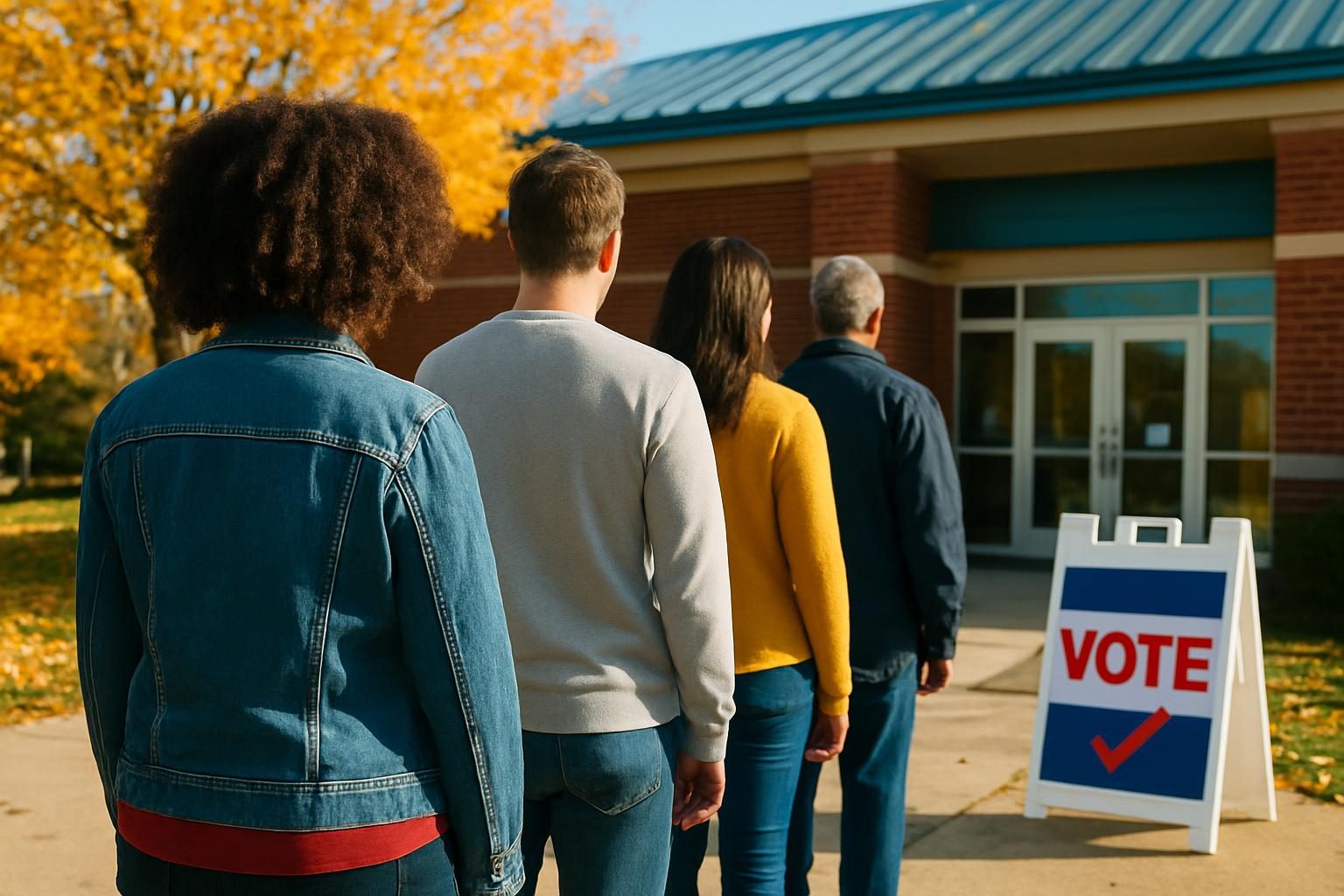
Imagine skipping the Election Day rush entirely. No juggling work shifts, no scrambling for childcare, no crossing your fingers about the weather. For millions of Americans, early voting makes that possible, and it is one of the most powerful tools we have to make sure every voice gets counted.
With the midterm elections on Tuesday, November 3, 2026, now is the perfect time to learn how it works where you live. Here is a clear, practical guide to what early voting is, how to find your options, and how to get ready.
Quick answer: Early voting lets you cast your ballot in person before Election Day, at official sites set up by your state or county. Availability, dates, hours and locations vary a lot by state. To find yours, go to vote.gov, pick your state, and follow the links to your official election office.
What early voting actually is
Early voting is a way to vote in person during a set period before Election Day. You go to an official location, check in, and fill out your ballot much like you would on Election Day. Your ballot is then secured and counted according to your state’s procedures.
It is easy to mix up early voting with other options, so here is a simple breakdown. Each one has its own rules, and your state decides which ones you can use.
| Option | Where you vote | When | Good to know |
|---|---|---|---|
| Early in-person voting | Official early voting site | Before Election Day, during a window set by your state | Dates, hours and sites vary by state and often by county |
| Voting by mail (absentee) | At home; return by mail or drop-off | Ballot arrives ahead of Election Day | Rules on who qualifies and how to return it vary. See our guide to voting by mail |
| Election Day voting | Your assigned polling place | Tuesday, November 3, 2026 | Usually tied to your address |
One thing to keep straight: the terms people use differ from place to place. Some states call it “early voting,” others use different names, and a few blend early in-person and mail options together. Do not worry about the label. Focus on what your state and county offer.
Why early voting matters for progressives
Here is our view, and we are happy to say so plainly: more access means a stronger democracy. Early voting gives people with unpredictable schedules, long commutes, caregiving duties or hourly jobs more than one chance to participate. When voting is easier, more people can show up.
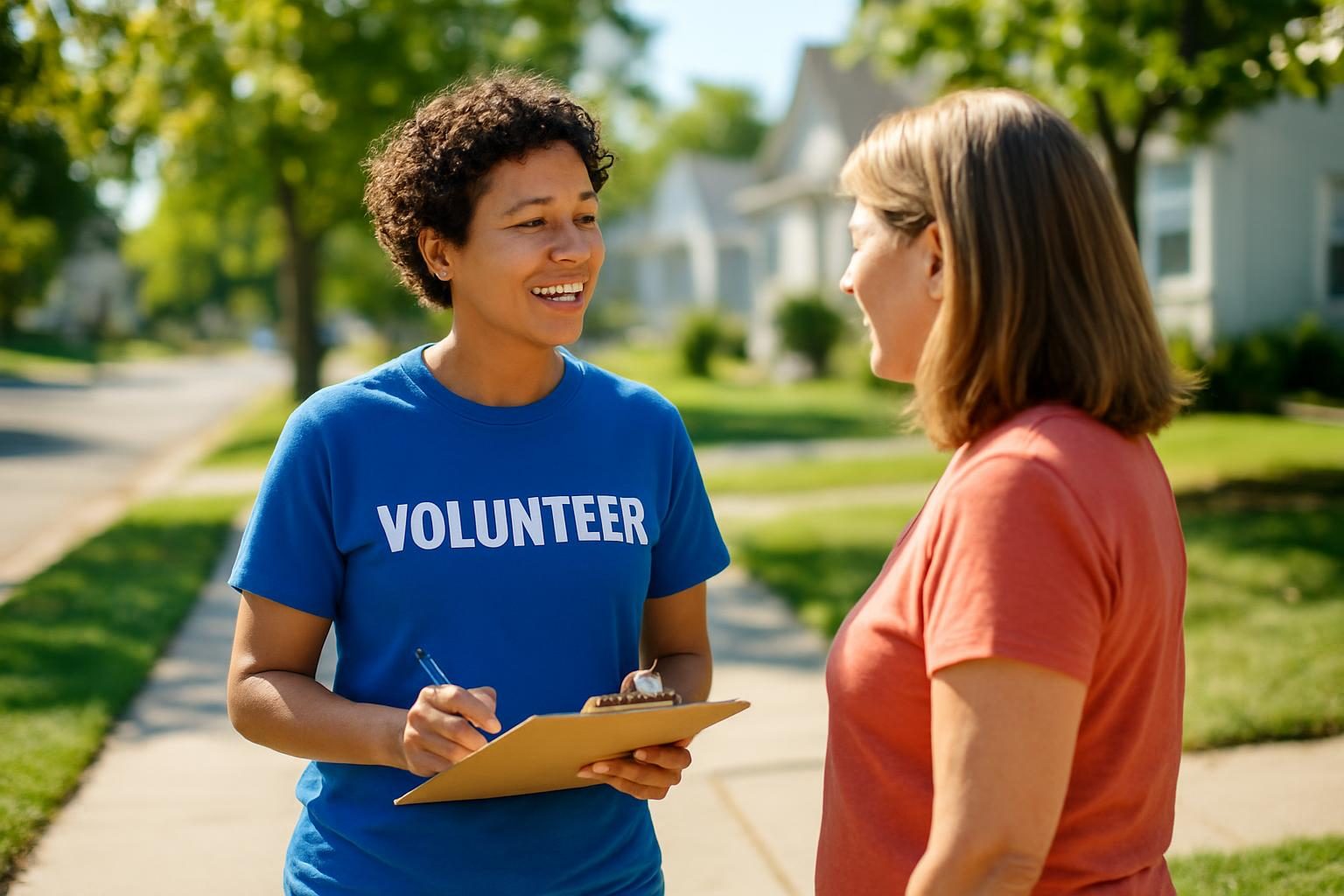
It also helps campaigns and volunteers. When voters cast ballots early, organizers can focus their phone calls and door knocks on neighbors who have not voted yet. That makes every volunteer hour count for more.
When voting fits real life, more neighbors can take part, and democracy gets stronger.
How to find your early voting options
The single most important thing to know: the rules are set by your state, and sometimes your county. We will not guess at your local dates or locations, because getting that wrong could cost you your vote. Instead, here is a reliable way to find them.
- Start at vote.gov. Visit vote.gov and choose your state. Each state page links to official information, including registration details. For example, you can find Ohio’s at vote.gov/register/ohio and New York’s at vote.gov/register/new-york.
- Go to your state or county election office. These official sites list whether early voting is offered, the dates, the hours and the exact addresses.
- Confirm you are registered. Use our guide to checking your voter registration status to make sure you are set.
- Check ID rules. Requirements differ by state. Our voter ID guide is a good starting point, but always confirm with your state election office.
- Pick your plan. Choose a day and time, and put it on your calendar. Bring a friend if you can.
Looking for a nearby site? We are working on a dedicated guide on how to find your polling place, and we will link it here once it is live.
Do not rely on social media or word of mouth
Locations and hours can change, and misinformation spreads fast. Only trust official sources: vote.gov, your state election office, or your county or city election website. If something looks off, double-check it there.
Are you registered? Check first
In most states, you need to be registered before you can vote, early or otherwise. North Dakota is the exception, since it has no voter registration. Some states offer same-day registration, which may be available at certain voting sites, but the rules are not the same everywhere. If you need help registering, we have a guide to voter registration in Arizona.
Do not assume. Registration deadlines are set by each state, so confirm yours on vote.gov or with your state election office. For a full walkthrough, see our simple guide to registering in every state.
Many states let you register online. We are building a guide on whether you can register to vote online, and one for people who recently need to update their registration after moving. If you live in Michigan, our Michigan voter registration guide can walk you through the process.
A ballot you never cast is a voice we never hear. Check your registration today, not tomorrow.
What to bring and what to expect
Showing up prepared makes the process quick and stress-free. Requirements differ by state, so use this as a general checklist and confirm the details locally.
- Any required ID. Some states require it, some do not, and the types accepted differ.
- Your registration details. Know the name and address you registered under.
- A sample ballot, if available. Many election offices publish one online so you can read the choices ahead of time.
- Your notes. Bring your list of candidates and ballot measures. Most places allow this, but ask if you are unsure.
- A little patience. Lines can vary by time of day. Early in the voting period or mid-day on weekdays can be quieter, but there is no guarantee.
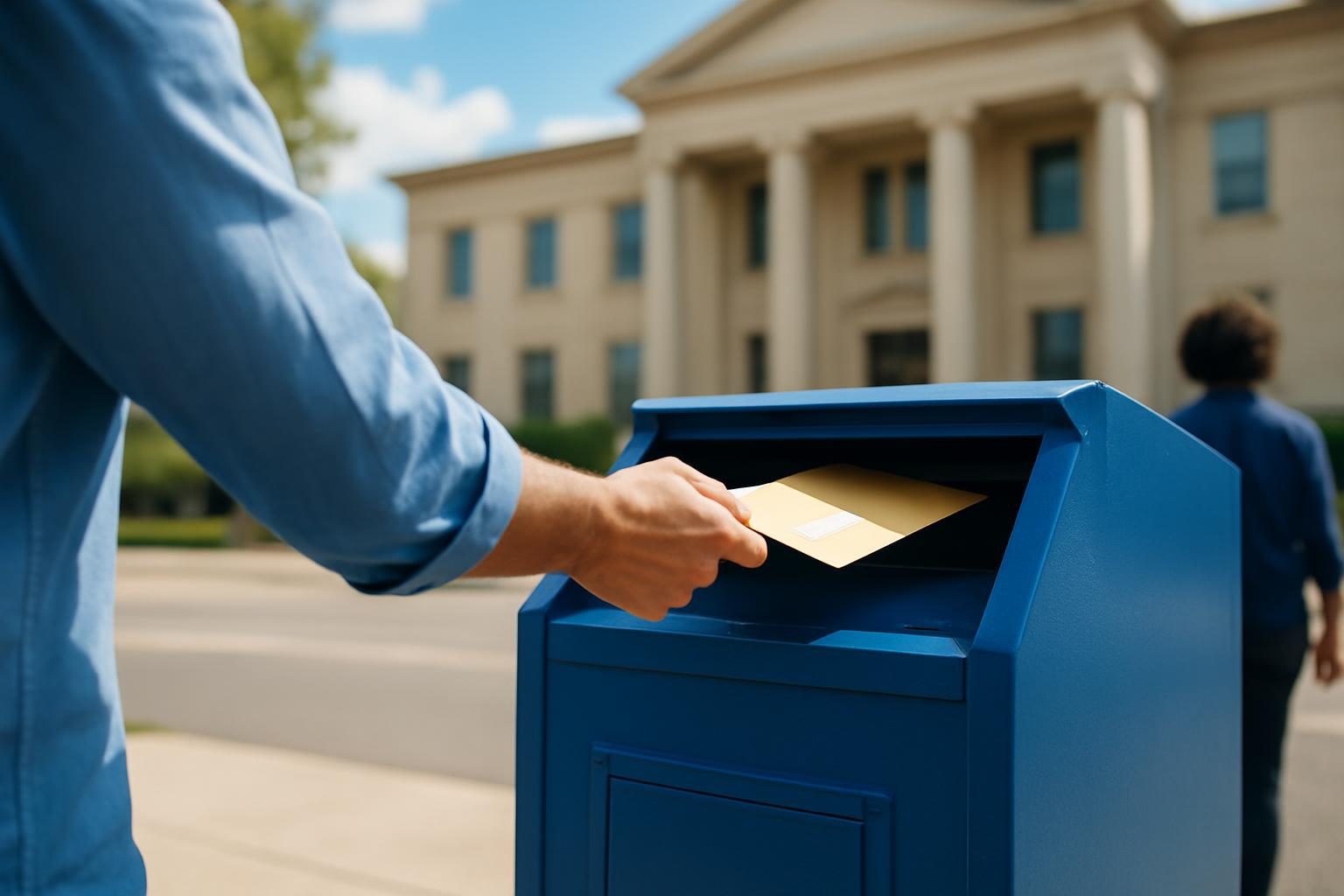
When you arrive, you will check in with a poll worker, get your ballot, mark your choices in private, and submit it as directed. If you have a question or run into a problem, ask a poll worker right away. They are there to help.
If you are a student or you have moved
Where you register and vote can depend on your address, which matters for students and anyone who has moved recently. We are putting together a college students voting guide to walk through the home-versus-school question. In the meantime, check your state’s rules at vote.gov.
Early voting, mail voting or Election Day?
There is no single best choice. It depends on your state, your schedule and what makes you feel confident. Here is a quick way to think it through.
- Choose early in-person voting if you like the experience of voting at a site but want flexibility on timing.
- Choose voting by mail if you prefer to take your time with the ballot at home. Check the rules in our mail voting guide.
- Choose Election Day if that fits your life best. Just make a plan so nothing gets in the way.
Whichever you pick, the goal is the same: make your plan early, confirm the details with an official source, and follow through.

Why this matters beyond November
The 2026 midterms decide all 435 House seats, about a third of the Senate and 36 governorships. Those results shape the political landscape heading into the next presidential race. For more on what is on the line, read our look at the 2026 midterm elections and what is at stake for 2028.
Looking further ahead, the 2028 general election is on Tuesday, November 7, 2028. Primaries come first, and the Democratic early window is already taking shape. Early voting habits you build now will carry into those contests. You can follow the full schedule in our 2028 Democratic primary calendar and our hub on the 2028 presidential election.
Primary voting rules, including early options, are set state by state and can differ from the general election. We will keep updating our coverage as states finalize their plans.
Take action: Today, visit vote.gov, find your state, and confirm your registration and early voting options. Then text one friend or family member and ask them to do the same. Two minutes, double the impact.
Get involved beyond your own ballot
Voting is the foundation, but it is not the whole story. Early voting periods are some of the busiest and most rewarding times to volunteer. Here are a few ways to help your community participate.
- Remind your people. A friendly nudge from someone you know is more effective than almost anything else.
- Offer a ride or company. Going together makes it easier and more fun.
- Volunteer with a campaign or local group. Phone banks, canvassing and voter outreach all need hands.
- Share official info only. Point friends to vote.gov and their local election office, not to rumors.
Want to see where the Democratic field is heading? Our 2028 Democratic candidates tracker covers who might run. No major Democrat has formally declared a presidential run yet, and we will update as that changes. For the issues driving the conversation, see where Democrats stand on the platform issues.
You can also browse everything in our Voting & Registration section.
Key takeaways
- Early voting lets you cast a ballot in person before Election Day, but availability and rules vary by state.
- Start at vote.gov and your state or county election office for official dates, hours and locations.
- Confirm you are registered first. North Dakota has no registration; same-day registration rules differ by state.
- Check your state’s ID rules before you go, and never rely on rumors or social media for logistics.
- The 2026 midterms are Tuesday, November 3, 2026, so make your plan now.
- Bring a friend, remind your neighbors, and consider volunteering to help others vote.
Last updated October 2026. Dates and candidate news change fast; we update this page as things are announced.
Frequently asked questions
What is early voting?
Early voting means casting your ballot in person at an official site before Election Day. It is different from voting by mail, where your ballot is delivered to you and returned by mail or drop-off. Rules, dates and locations vary by state, so check vote.gov or your state election office.
Does every state offer early voting?
No. Many states offer some form of early in-person voting, but the rules differ widely, and some states rely mainly on mail voting or limit early options. Confirm what your state offers on vote.gov or with your state election office.
Do I have to be registered before I vote early?
In most states, yes. Some states offer same-day registration, which may be available at certain early voting sites, but rules differ. North Dakota has no voter registration. Check your state’s rules on vote.gov before you go.
Can I change my mind after I vote early?
Generally, once your ballot is cast and counted as submitted, it is final. Rules for specific situations vary by state, so if you have a question about your ballot, contact your state or local election office.
Do I need ID to vote early?
It depends on your state. Some states require ID at the polls and others do not. Check our voter ID guide and confirm the rules with your state election office before you head out.