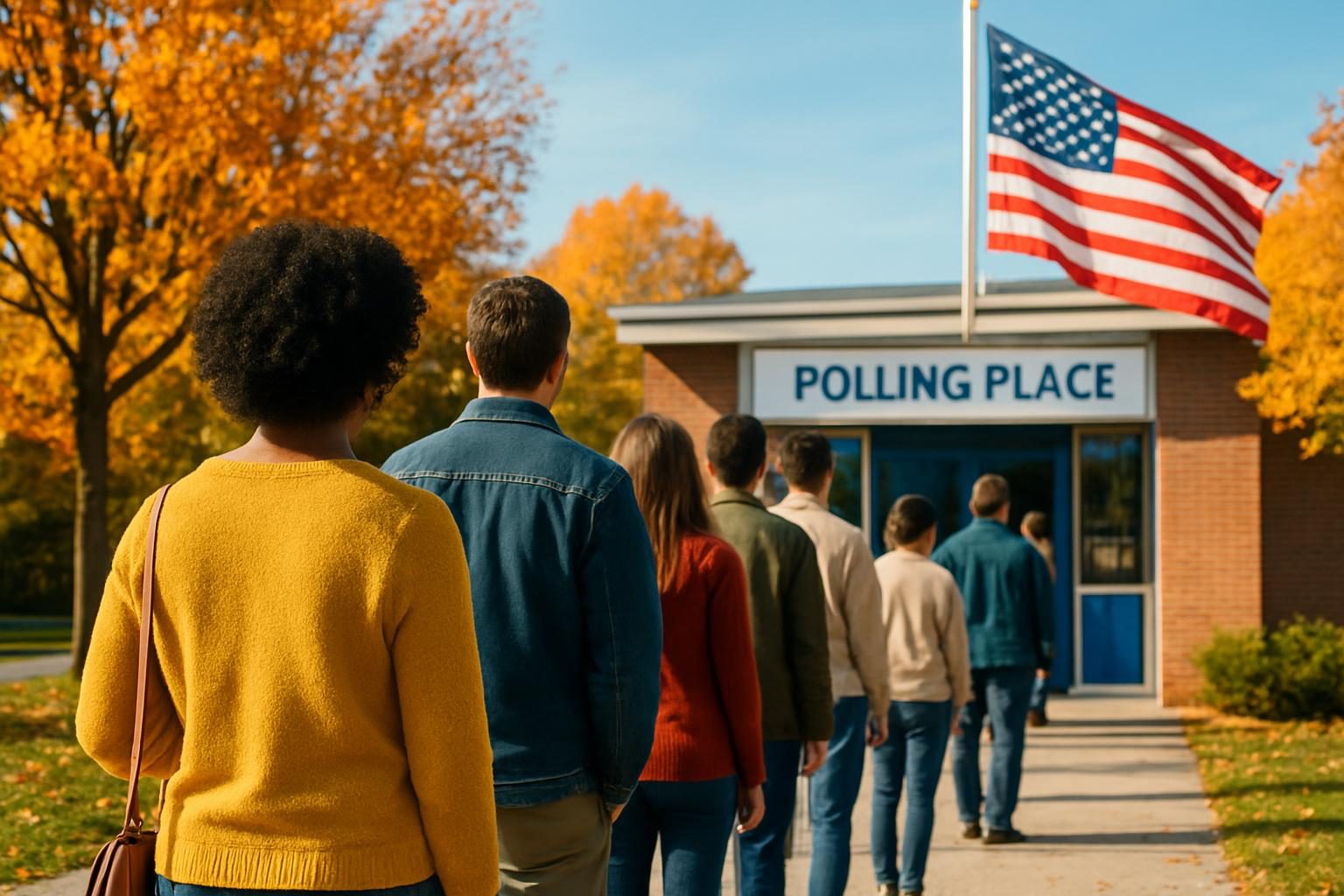
Every ballot you cast sits on top of a fight that people bled for. The Voting Rights Act of 1965 is one of the most effective civil rights laws in American history, and the argument over it is far from over. Here is the voting rights act explained: where it came from, what it does, what the courts have changed, and what you can do about it before 2028.
Our take: The Voting Rights Act of 1965 outlawed racial discrimination in voting and opened the ballot box to millions of Americans. The Supreme Court has weakened parts of it, but it is still law, and we believe Congress should restore and strengthen it. Protecting it starts with registering, voting and showing up locally.
What the Voting Rights Act is, in plain language
The Voting Rights Act (VRA) is a federal law signed in 1965 that bans racial discrimination in voting. It grew out of a simple promise already written into the Constitution: the 15th Amendment, ratified after the Civil War, says the right to vote cannot be denied because of race.
For roughly a century, that promise was routinely broken. Many states and localities used tools designed to keep Black citizens away from the polls. The VRA gave the federal government real power to stop them.
The tactics the law was built to stop
- Literacy tests that registrars could apply unfairly to turn away eligible voters.
- Poll taxes that made voting cost money.
- Intimidation and violence against people who tried to register.
- Arbitrary rules and shifting requirements that local officials could enforce selectively.
How we got here: a short history
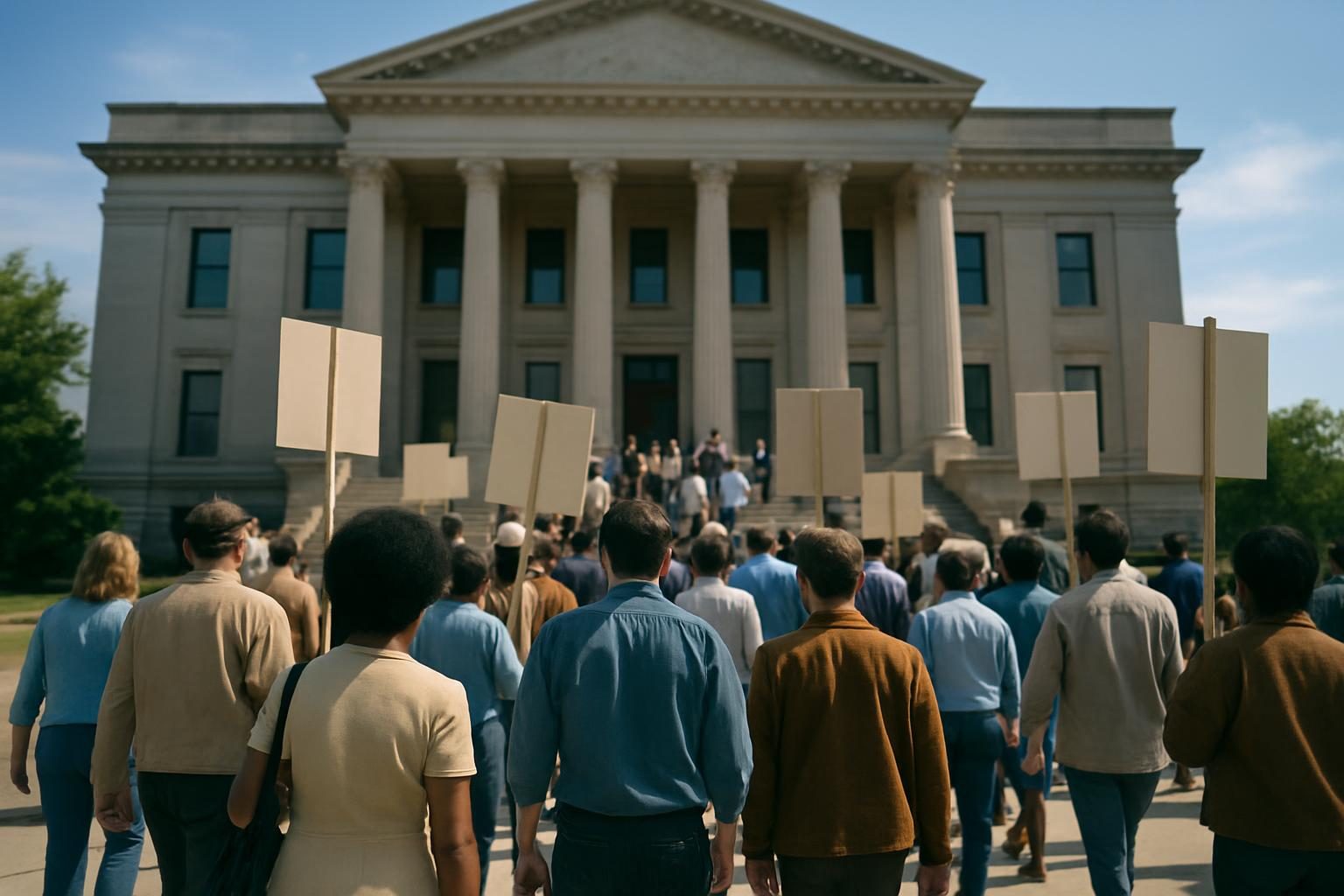
The 15th Amendment was ratified in 1870, yet enforcement faded and discriminatory systems took hold across much of the South. Ordinary Americans spent decades organizing, litigating and marching to change that.
In 1965, activists in Selma, Alabama, led a march for voting rights that met brutal violence from state troopers. National outrage followed, and Congress passed the Voting Rights Act that summer. President Lyndon B. Johnson signed it into law.
Key moments at a glance
| Year | Milestone |
|---|---|
| 1870 | 15th Amendment ratified, barring denial of the vote based on race |
| 1965 | Voting Rights Act signed into law after the Selma marches |
| 2013 | Shelby County v. Holder strikes down the coverage formula for federal preclearance |
| 2021 | Brnovich v. Democratic National Committee narrows how Section 2 is applied to certain voting rules |
The right to vote was never simply given. It was organized for, marched for and defended in court.
What the law actually does
Two pieces of the VRA get the most attention. They work differently, so it helps to keep them straight.
Section 2: the nationwide ban
Section 2 prohibits voting practices that discriminate on the basis of race or color, anywhere in the country. Voters and the Justice Department can bring cases when a rule or district map unfairly denies minority voters an equal chance to participate or elect their preferred candidates.
Section 5: federal preclearance
Section 5 required certain places with a history of discrimination to get federal approval before changing their voting rules. The idea was to block discriminatory changes before they took effect, rather than fighting them one lawsuit at a time after an election had already happened.
What the courts changed
This is where the story gets harder. In Shelby County v. Holder (2013), the Supreme Court struck down the formula that decided which places had to seek preclearance. Without a valid formula, Section 5 stopped functioning in practice.
In Brnovich v. Democratic National Committee (2021), the Court upheld two Arizona voting rules and set out factors that, in our view, make it harder to win Section 2 challenges to certain rules. Section 2 remains available, but the bar for challengers is higher.
The VRA was not repealed. Parts of it were weakened, and that is the central fact for voters today.

Why it still matters in 2026 and beyond
Voting rules are set largely by states, which means the fights over them happen in statehouses, county offices and courtrooms. Changes to ID requirements, polling place locations, early voting, mail ballots and district lines can all affect who finds it easy or hard to vote.
District maps are a big part of this. If you want to understand how lines can blunt the power of voters, read our explainer on how gerrymandering lets maps decide elections. Section 2 is one of the tools used to challenge maps that dilute minority voting strength.
And the stakes run through every race on the calendar. The 2026 midterm elections on Tuesday, November 3, 2026, will help decide who controls Congress, which is the body that could restore or rewrite the VRA. Governors and legislators elected this fall also shape voting rules in their states.
A right you cannot easily use is a right only on paper, and that is why the details of voting law matter.
Our view: Congress should restore and strengthen the VRA
This section is opinion. We believe the best response to Shelby County is for Congress to write a new, modern coverage framework and shore up Section 2. The Constitution gives Congress the power to enforce the 15th Amendment, and the Court’s 2013 decision itself pointed to Congress as the body that could update the formula.
Past proposals, including the John Lewis Voting Rights Advancement Act, have aimed to do exactly that. None has become law as of this writing. We believe a bipartisan history of renewing the VRA, which Congress did several times, is a model worth returning to.
Democrats have made voting rights a core part of their agenda. For a broader look at where the party stands, see our guide to Democratic Party platform issues.
The strongest arguments on the other side
Good arguments deserve a fair hearing, so here is how critics of broader federal oversight make their case.
- Federalism. The Constitution gives states primary authority over running elections. Critics argue that federal preclearance intrudes on that role.
- Outdated formula. In Shelby County, the Court’s majority reasoned that the coverage formula relied on old data and did not reflect current conditions. Supporters of that ruling say laws must be justified by present-day facts.
- Equal treatment of states. Opponents argue that singling out certain states for special scrutiny treats them unequally without current justification.
- Election integrity and confidence. Many supporters of rules like voter ID say these measures protect confidence in results, and they argue such rules are common and reasonable.
- Race-conscious remedies. Some critics worry that remedies based on race, such as certain district drawing requirements, raise their own constitutional questions.
Our response is that discrimination in voting did not vanish in 2013, that Congress can build a formula based on current evidence, and that making it easy for eligible citizens to vote and having secure elections are goals that can go together. Reasonable people can still disagree on where to draw lines, and we encourage you to read the opinions and make up your own mind.

What you can do right now
You do not need to be a lawyer to defend voting rights. The most powerful steps are simple, and they start with you being ready to vote.
- Check your registration and update it if you moved. Official rules, deadlines and online registration links for every state are on vote.gov, and our simple guide to registering in every state walks you through it. Confirm all deadlines with vote.gov or your state election office.
- Vote in every election, including primaries and local races. Many voting rules are set by state and local officials, so those races matter.
- Bring someone with you. Help a friend, relative or classmate check their registration.
- Volunteer. Campaigns and community groups need people to register voters and help neighbors find their polling place. Our upcoming guide on how to volunteer for a political campaign will help you get started.
- Get involved close to home. Our planned piece on how to get involved in politics locally will show easy first steps.
Take action: Open vote.gov today, pick your state, and confirm you are registered at your current address. Then send the link to one friend and ask them to do the same.
The road to 2028
The next presidential election is Tuesday, November 7, 2028, and the Democratic primary season begins with South Carolina on January 22, 2028. See the full 2028 Democratic primary calendar for every date so far, and our 2028 presidential election hub for the big picture.
No major Democrat has formally declared a 2028 run as of this writing. Voting rights will likely be part of the conversation, and you can follow who might run in our 2028 Democratic candidates tracker. For more on the topics we cover, visit our Issues & Ideas section.
The Voting Rights Act is proof that ordinary people can change the course of American democracy. Register, vote, volunteer and keep that story going.
Key takeaways
- The Voting Rights Act of 1965 banned racial discrimination in voting and followed the Selma marches.
- Section 2 applies nationwide, while Section 5 required federal preclearance for certain places.
- The Supreme Court struck down the Section 5 coverage formula in 2013 and narrowed Section 2 in 2021, but the law still stands.
- We believe Congress should update and strengthen the law; critics raise federalism and election-confidence concerns.
- Check your registration and local rules at vote.gov or your state election office.
- Registering, voting, volunteering and showing up locally are the most direct ways to protect your vote.
Last updated October 2026. Dates and candidate news change fast; we update this page as things are announced.
Frequently asked questions
What is the Voting Rights Act in simple terms?
The Voting Rights Act of 1965 is a federal law that bans racial discrimination in voting. It gives the federal government tools to challenge unfair rules, and it lets voters and the Justice Department go to court when those rules shut people out.
Did the Supreme Court strike down the Voting Rights Act?
No, the law is still on the books. In Shelby County v. Holder (2013), the Court struck down the formula that decided which places needed federal approval for voting changes, and in Brnovich v. Democratic National Committee (2021) it narrowed how Section 2 can be used against certain rules. Parts of the law remain in force.
What is the John Lewis Voting Rights Advancement Act?
It is a proposed bill, introduced in Congress in past sessions, that would update the Voting Rights Act after the Shelby County decision. It has not become law. Check Congress.gov for its current status, and we will update this page if that changes.
How do I check my voter registration and find the rules where I live?
Go to vote.gov, choose your state, and follow the link to your official state election office. That is where you can confirm your registration, deadlines, ID requirements and polling place. Rules differ by state, so always check the official source.
How can I help protect voting rights?
Make sure you are registered and help friends and family do the same, vote in every election including local ones, and volunteer with groups that help voters. Staying informed about voting laws in your state also matters, because many fights happen in state legislatures.