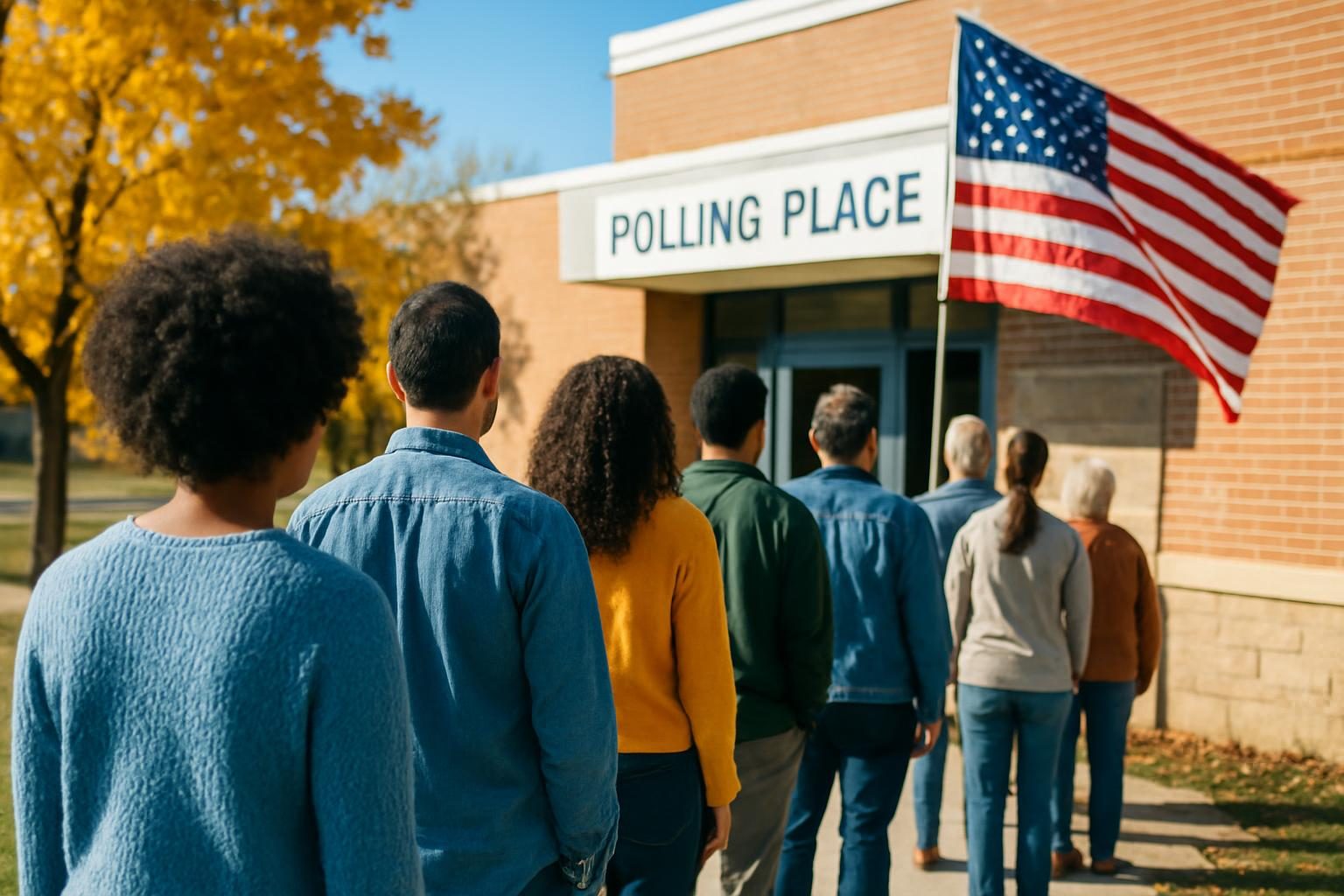
Nothing should stand between you and your ballot, and a little preparation goes a long way. Voter ID rules are one of the most common questions we hear, and the answer is different depending on where you live. Here is how to figure out exactly what to bring so you can walk in confident and walk out with your “I voted” sticker.
Quick answer: Voter ID requirements by state vary. Some states ask every voter to show ID at the polls, some accept a wider range of documents or a signed statement, and some have special rules for first-time voters. No single national rule applies, so confirm your state’s current requirements on vote.gov or with your state or county election office before you head out.
We are not lawyers and this is not legal advice. What we can do is explain how the rules generally work, show you what to check, and point you to the official sources that have the final word.
Why voter ID rules differ from state to state
Elections in the United States are run largely by states and local governments. That means each state sets its own rules for registration, early voting, mail ballots and what voters need to show at the polls. If you haven’t registered yet, learn how to register to vote in Georgia or your state.
The result is a patchwork. A voter in one state might hand over a photo ID at check-in, while a voter in another state might simply state their name and sign in. Rules also change when legislatures pass new laws or courts weigh in, which is one more reason to check an official source close to Election Day.
The good news: you do not have to decode every state’s statute. Your job is to find your own state’s rules and make a plan.
The main types of voter ID rules
States generally fall into a few broad approaches. The labels below are our simplified way of explaining the landscape, not official legal categories, and the details of each state’s law can be more specific.
| Approach | What it generally means | What to do |
|---|---|---|
| Photo ID requested | Voters are asked to show a government-issued photo ID, such as a driver’s license, at check-in. | Bring the ID and confirm which types your state accepts. |
| Non-photo ID accepted | Voters may show a broader set of documents, such as a utility bill, bank statement or other proof of identity and address. | Bring a couple of documents and check the accepted list. |
| Statement or signature options | Voters without ID may sign an affidavit or have a signature matched against records. | Know your fallback, but do not count on it. Bring ID if you have it. |
| First-time voter rules | Some states ask for ID only from people voting for the first time or who registered by mail without providing ID. | If you are new, check whether extra documents apply to you. |
Your state may mix these approaches. For example, a state may have one set of rules for in-person voting and another for mail ballots. That is why a quick lookup on your state’s official page is worth five minutes.
What counts as acceptable ID?
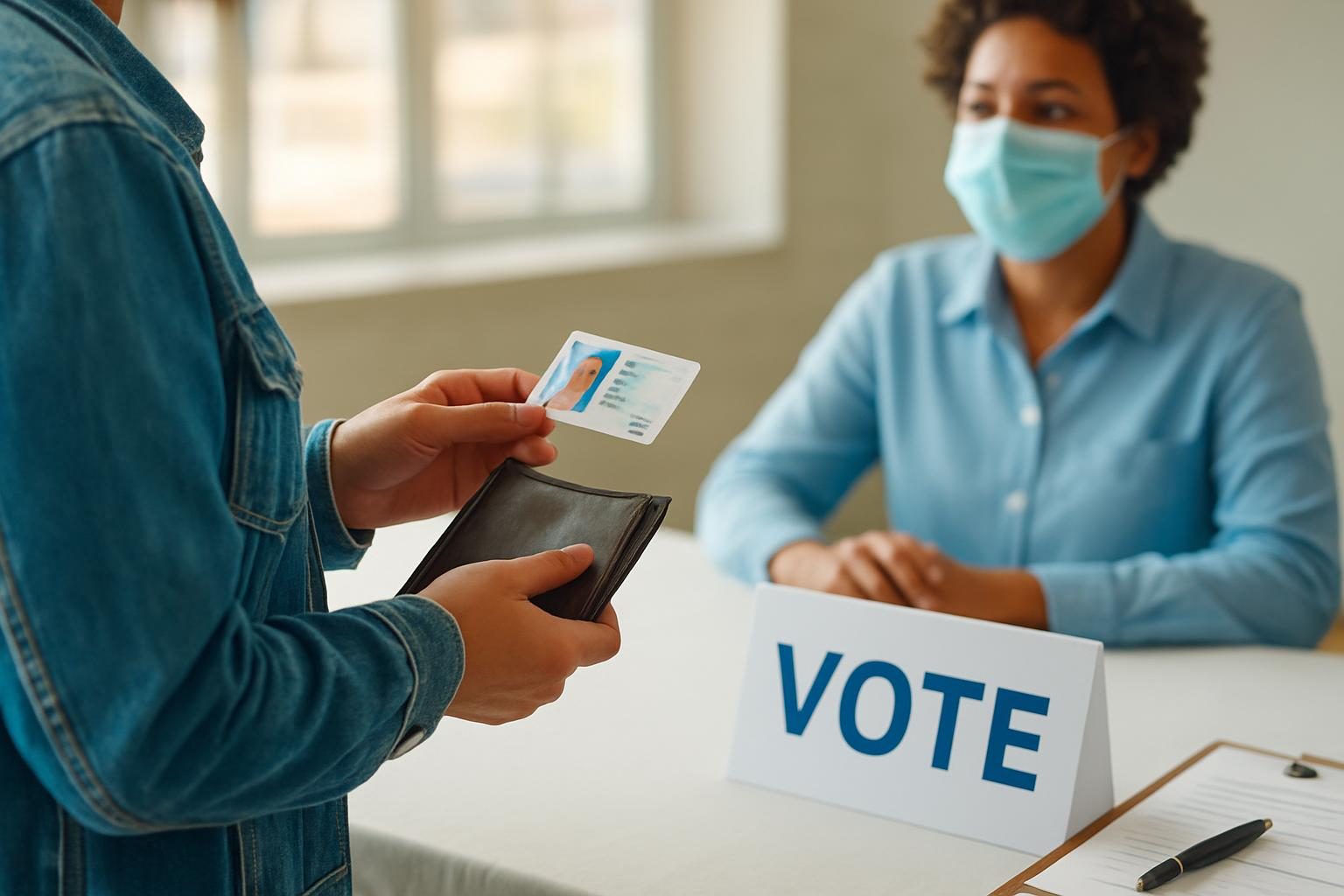
Acceptable forms of ID are decided state by state. Commonly accepted documents in many places include a driver’s license or state-issued ID card, but the full lists vary. Some states accept things like a passport, military ID, student ID or tribal ID. Others are narrower.
Details matter here. Some states care whether the ID is current or recently expired. Some require that the name on your ID closely match the name on your voter registration. Some want a current address; others do not.
Check these details before you go
- Is the ID unexpired? Confirm whether your state accepts IDs that have recently expired.
- Does the name match? If you changed your name, make sure your registration and your ID tell the same story.
- Does the address matter? Some states look at the address on your ID or ask for proof of residence.
- Is a photo required? If so, make sure your document includes one and is on your state’s accepted list.
If you find a mismatch, you have time to fix it. Update your registration, or contact your state election office to ask what they recommend.
The best time to learn your state’s ID rules is long before Election Day, not in the check-in line.
How to find your state’s rules in minutes
Start with vote.gov, the federal government’s portal for voting information. It links to every state’s official registration rules and online registration tools. Each state has its own page; for example, https://vote.gov/register/ohio or https://vote.gov/register/new-york. Swap in your state’s name to find yours.
From there, follow the link to your state or county election office for the latest word on what to bring. Election officials are the final authority, and their websites are where changes are posted first.
A simple three-step plan
- Look up your state on vote.gov and open your state election office’s website.
- Find the “what to bring” page for voting in person, and the instructions for mail ballots if you plan to vote that way.
- Put your ID where you will not forget it, such as with your keys or phone, and set a reminder.
Not sure you are even registered? Our guide to checking your voter registration status takes just a few minutes. And if you need to sign up, start with how to register to vote in every state.
Voting by mail and early voting: ID can work differently
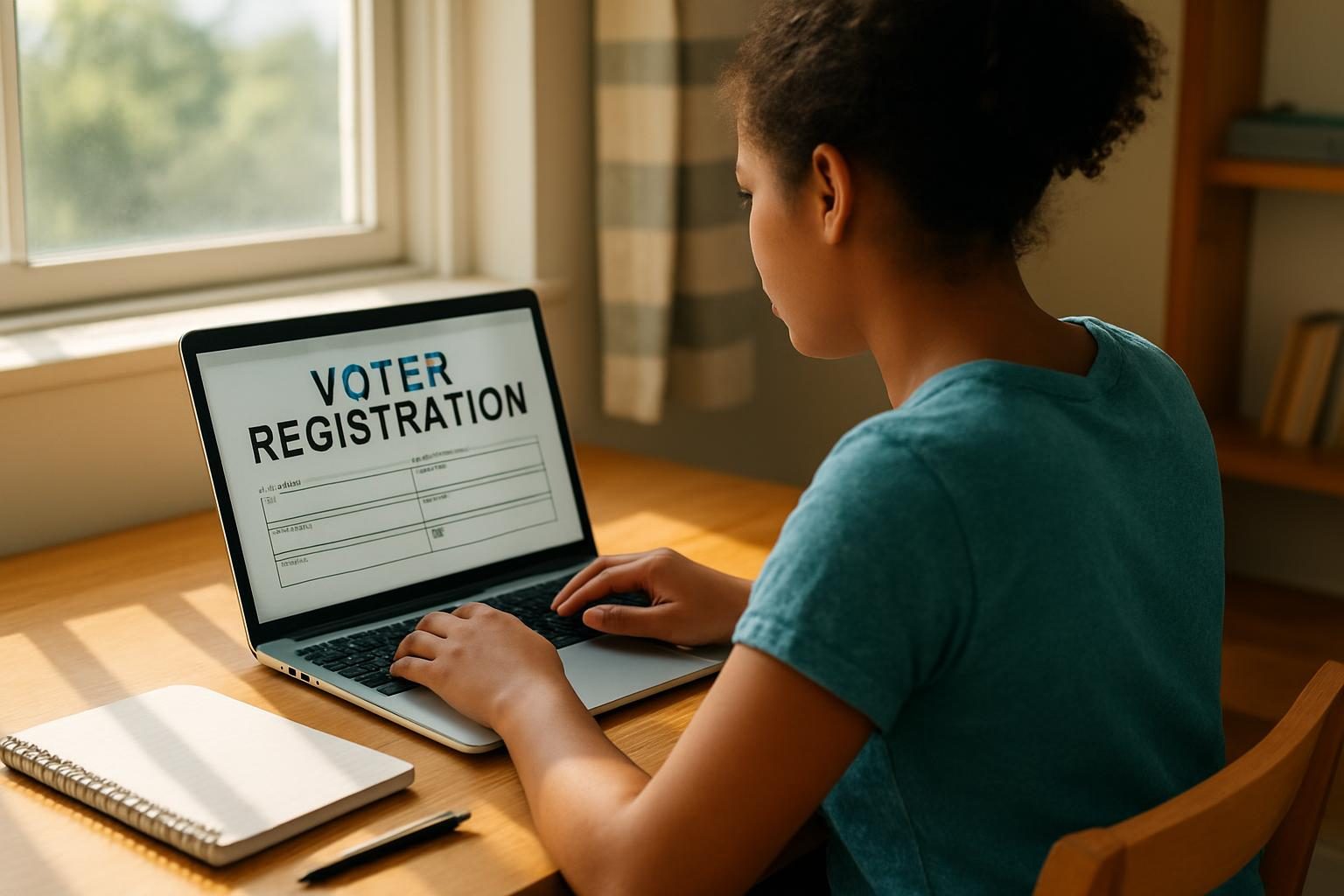
Showing ID at a polling place is only one piece of the puzzle. If you vote by mail, the rules are usually different. Some states ask you to write an ID number on your return envelope. Others ask for a signature that is compared to the one on file. Details vary, and mistakes on the envelope can cause problems, so read the instructions that come with your ballot carefully.
Our explainer on how to vote by mail and use absentee ballots walks through the process. If you would rather vote in person before Election Day, learn more about how early voting works and how to find your options. Early voting sites follow your state’s rules, so bring whatever your state asks for.
Special situations worth planning for
You recently moved
If you changed addresses, your registration may need an update. Do that early, and see what your state asks voters to show if the address on your ID does not match. We are working on a guide to updating your voter registration after moving.
You are a college student
Students often wonder whether to vote from a home address or a school address, and whether a student ID counts. Rules differ by state. Our upcoming college students voting guide will cover the basics, and your state election office has the official answer on which IDs are accepted.
You are a first-time voter
Some states ask first-time voters to show ID or provide extra documents, especially if they registered by mail. If this will be your first ballot, check your state’s page for new-voter rules so you are not surprised at check-in.
You do not have a photo ID
Many people do not drive and may not have a license. If you do not have the ID your state asks for, contact your state election office. Many states offer free voter ID options or alternative ways to verify who you are, and officials can tell you what applies where you live. Do not give up; ask early so there is time to sort it out.
Every eligible voter deserves a clear, simple path to the ballot, and clear information is where that path starts.
Our view: ID rules should never be a mystery
This section is opinion from the Vote Blue Wave team.
We believe voting should be easy to understand and easy to do. When rules vary this much, confusion is the enemy, because a voter who is unsure what to bring may stay home. Democrats and progressives have long argued that policies should expand access and make sure every eligible voter can cast a ballot without needless obstacles. You can read more about the party’s priorities in our guide to Democratic Party platform issues.
Whatever the rules are in your state, the best response is preparation. Know what to bring, help your friends and family do the same, and show up. Wave elections are built from millions of people doing exactly that; if you are curious about the history, see our explainer on what a blue wave means.

The big elections ahead
The 2026 midterm elections are on Tuesday, November 3, 2026, with all 435 House seats, about a third of the Senate and 36 governors on the ballot. Check your ID requirements now so you are ready. For the stakes, see our rundown of the 2026 midterm elections and what is at stake for 2028.
Looking further ahead, the general election is Tuesday, November 7, 2028. You can follow every date on our 2028 election key dates calendar, and the full picture lives in our 2028 presidential election hub. Primaries have their own rules, too, so check what your state asks for in the spring as well.
Take action: Open vote.gov right now, find your state, and write down exactly what to bring to the polls. Then text one friend or family member the link and ask them to do the same. Two minutes, two more prepared voters.
Last updated October 2026. Dates and candidate news change fast; we update this page as things are announced.
Key takeaways
- Voter ID requirements vary by state, so there is no single national rule to rely on.
- Vote.gov links to every state’s official voting information, and your state or county election office has the final word.
- Rules can differ for in-person voting, mail ballots, first-time voters and early voting.
- Check that the name and address on your ID line up with your registration, and fix any mismatch early.
- If you lack the ID your state asks for, contact your election office now to learn your options.
- The 2026 midterms are Tuesday, November 3, 2026; the 2028 general election is Tuesday, November 7, 2028.
Frequently asked questions
Do I need ID to vote in every state?
No. Rules differ from state to state. Some states ask every voter to show ID at the polls, others accept alternatives like signing an affidavit or matching a signature, and some have different rules for first-time voters. Check vote.gov or your state election office for your state’s current rules.
What if I show up without my ID?
Many states have a backup option, such as a provisional ballot or a signed statement, but the details vary and you may have extra steps to complete afterward. Do not assume you will be turned away, and do not assume it will be easy. Ask the poll worker what your options are, and confirm your state’s process ahead of time on vote.gov or with your state election office.
Do I need ID to register to vote?
It depends on your state and how you register. Many registration forms ask for a driver’s license number or the last four digits of a Social Security number rather than a physical ID card. Your state’s page on vote.gov explains what is required where you live. For more, see how to register to vote in your state and whether you can register to vote online.
Does voting by mail require ID?
Rules for mail ballots are separate from in-person rules and differ by state. Some states ask for an ID number or a signature on the return envelope. Read the instructions that come with your ballot carefully, and confirm the requirements with your state election office.
Where can I find my state’s official voter ID rules?
Start at vote.gov, which links to every state’s official registration and voting information, using addresses like https://vote.gov/register/ohio. Your state or county election office is the final word on what to bring, so check there before Election Day. For more voting guides, browse our Voting & Registration section.