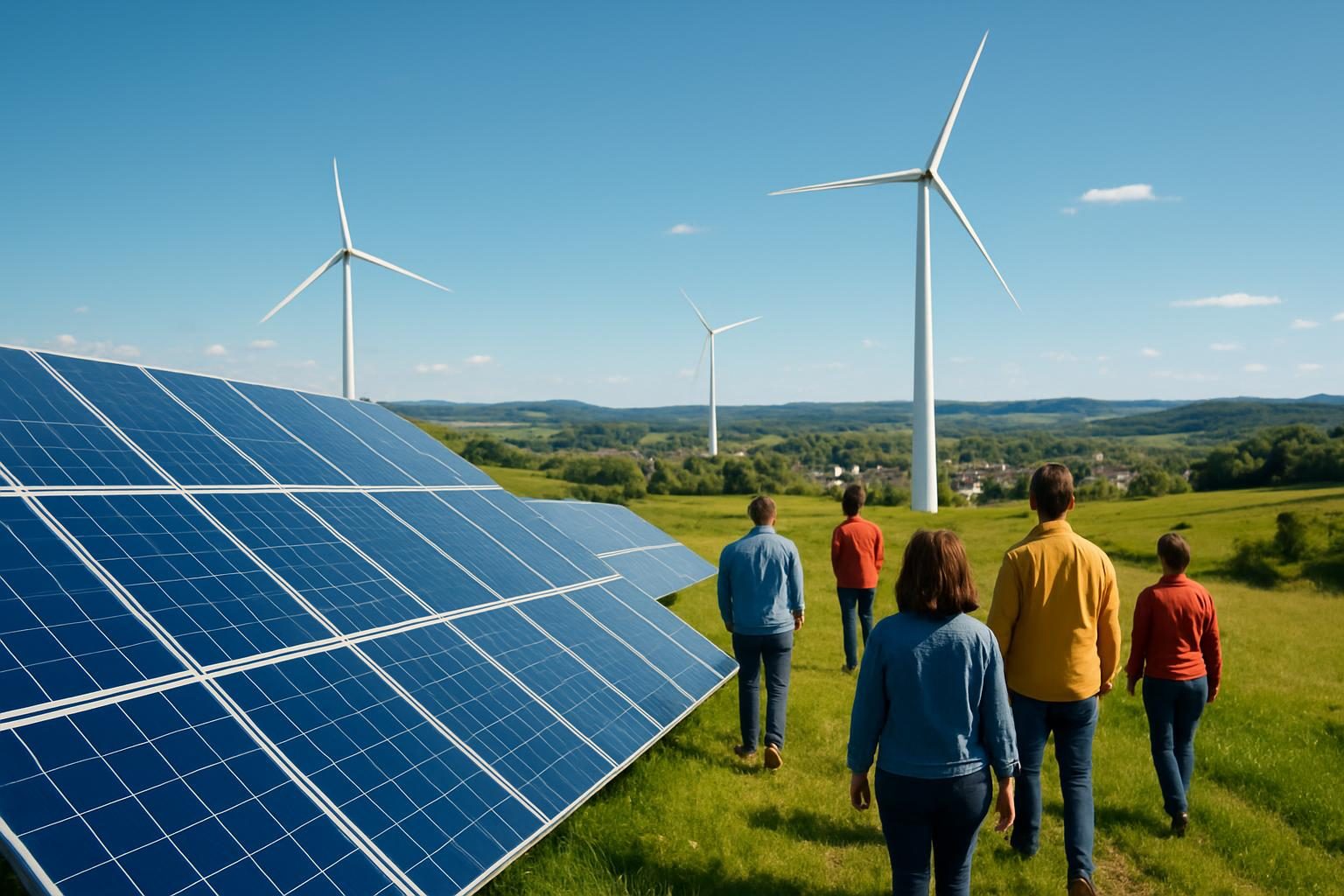
Democrats have spent years turning climate promises into laws, tax credits and factories. Now the fight is over what survives, what comes next and who gets to decide. Here is a clear look at Democrats and climate policy, and why your vote in 2026 and 2028 shapes the answer.
Our take: Democratic climate policy has moved from slogans to real law, most notably the 2022 Inflation Reduction Act, and the next chapter will be decided at the ballot box. We think the strongest path pairs clean energy with jobs, lower bills and cleaner air, and that voters who register, show up and organize are what make it possible.
What Democrats have actually passed
For decades, climate action in Washington meant hearings and failed bills. That changed in 2022, when Democrats in Congress passed the Inflation Reduction Act and a Democratic president signed it. It is widely described as the largest federal climate investment in US history.
The law relied mostly on incentives rather than mandates. Tax credits and grants were aimed at clean electricity, electric vehicles, home efficiency upgrades and domestic manufacturing of things like batteries and solar components. The idea was simple: make clean energy cheaper and build more of it here.
Democrats also supported earlier investments in roads, bridges, transit, grid upgrades and electric vehicle charging through the bipartisan infrastructure law of 2021. Not every Democrat thought these laws went far enough, and we will get to that debate below. But together they marked a real shift from talking to building.
Beyond Congress
A lot of climate policy happens outside Capitol Hill. Democratic governors, legislatures and mayors have set clean electricity goals, updated building codes, expanded transit and invested in resilience against floods, fires and heat. State action matters because it can move faster than Washington and show what works.
That is one reason local elections matter so much. Utility regulators, zoning boards and city councils quietly decide how fast clean energy gets built in your community. Our guide to getting involved in politics locally shows how to take part without running for anything.
Climate policy is not only a Washington story. It is also a story about your utility board, your city council and your ballot.
The Democratic case for climate action
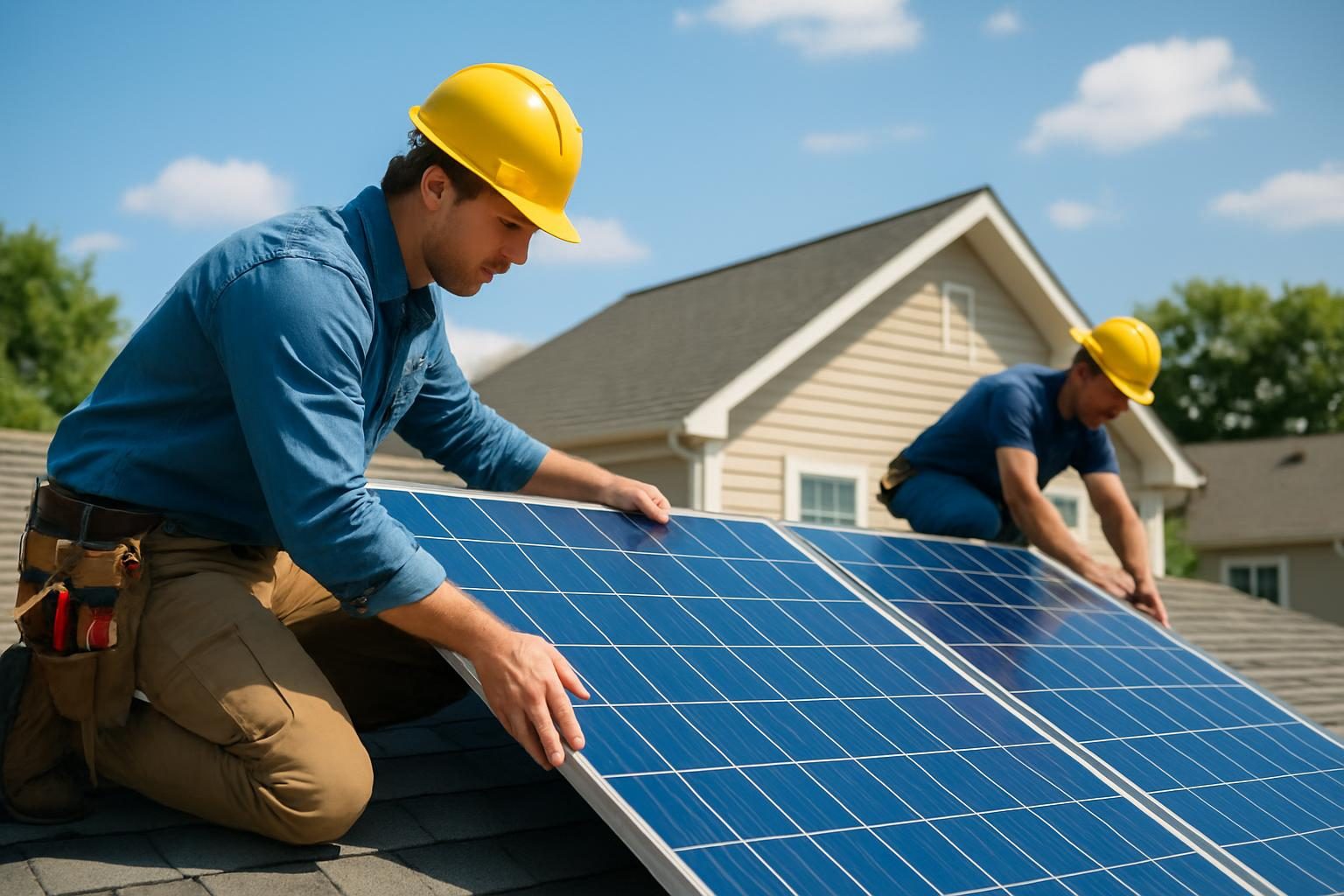
Here is the argument we find most persuasive, and it is our opinion, not a settled fact: climate policy is economic policy. Building clean energy means construction, manufacturing, electrical work and long-term demand for skilled trades. Efficient homes and cheaper power can lower household costs over time.
There is a health case too. Cleaner air means fewer asthma triggers and less pollution in neighborhoods that have lived near highways, ports and power plants for generations. And there is a security case: producing more energy at home, from more sources, makes communities less exposed to price shocks overseas.
Democrats also frame climate as a question of fairness. The people hit first and hardest by heat, floods and pollution are often those with the fewest resources to recover. Good policy should reach them first, not last.
Where Democrats still disagree
Democrats are united on the problem and divided on the tools. That is healthy, and it will play out in the 2028 primary. Here are the main fault lines.
| Debate | One view | Another view |
|---|---|---|
| Carbon pricing | Put a price on pollution and let markets do the work | Rely on public investment and standards, not new costs on families |
| Permitting reform | Speed up approvals so clean energy and transmission lines get built | Keep strong environmental and community review in place |
| Scale of the agenda | Go bigger and faster, in the spirit of the Green New Deal framework | Focus on achievable steps that can win votes in Congress |
| Fossil fuel transition | Set firm phase-out goals | Move gradually and protect workers and regions that depend on energy jobs |
The Green New Deal, introduced as a House resolution in 2019, is a good example. It was a statement of goals linking climate action with jobs and fairness, not a detailed bill. Democrats still argue about how much of it to adopt and how to pay for it.
These debates connect to the broader economic agenda, including wages and worker protections. For the full picture, see our explainer on the Democrats’ economy plan.
The strongest arguments from the other side
Good democracy means taking opposing arguments seriously. Here are the strongest ones critics raise, stated fairly.
- Cost and prices. Critics argue that climate policies can raise energy costs, and that households and small businesses feel those costs before they see benefits. They say affordability should come first.
- Reliability. Some argue that moving too quickly away from fossil fuels risks strains on the grid, especially during extreme weather. They want firm, always-available power prioritized.
- Government spending. Fiscal conservatives question whether large federal subsidies are the best use of taxpayer money, and whether markets would deliver cleaner energy without them.
- Jobs and communities. Lawmakers from energy-producing regions warn that fast transitions can hurt workers and towns that depend on oil, gas and coal. Some of these concerns are shared by Democrats from those areas.
- Global emissions. Some argue that US action alone cannot solve a global problem, and that policy should weigh what other large emitters do.
Our view is that these concerns deserve real answers rather than dismissal. That means keeping a close eye on bills, building the grid alongside new generation, and investing in the workers and places most affected. Climate policy wins when people can see that it helps them.
Climate policy wins when people can see what it does for them: steadier jobs, cleaner air and lower bills.

What is next: the fight over durability
The biggest question now is whether these policies last. Laws passed by one majority can be changed by the next, and climate tax credits and agency rules have been targets of repeal and rollback efforts. Because the details keep shifting, check current reporting for what is in force today.
That is why elections are climate policy. The 2026 midterms, held Tuesday, November 3, 2026, will decide all 435 House seats, about a third of the Senate and 36 governorships. Control of Congress shapes what can be protected, expanded or undone. We cover the stakes in our 2026 midterm elections guide.
Beyond that, the 2028 general election is Tuesday, November 7, 2028, and the new president takes office January 20, 2029. Climate will be one of the issues Democratic candidates are asked about from the first debate on.
What to watch in the 2028 field
No major Democrat has formally declared a 2028 run as of this writing. Several governors, senators and former officials are widely reported as potential candidates, and each has a different climate record and style. Our 2028 Democratic candidates tracker follows who is considering a run, and we will update it as announcements happen.
Here is what we suggest listening for: Do they have a plan to lower energy bills? Do they talk about workers and rural communities? Do they have a realistic path through Congress, or through states and agencies? Specifics matter more than slogans.
The calendar also matters. The DNC approved its early window in August 2026, starting with South Carolina on January 22, 2028, and Nevada on February 1. Our 2028 Democratic primary calendar lists every date so far, and climate questions will be asked in those early states.

Why climate is also a democracy issue
Climate policy depends on a working democracy. If maps are drawn to protect incumbents and voting is made harder, public opinion on clean air and clean energy has a tougher time turning into law. That is why we link climate to the basics of fair elections.
Our explainers on gerrymandering and the Voting Rights Act show how the rules of the game shape the policies we get. Fair maps and open access to the ballot are climate policy, in the sense that they decide who is heard.
For a wider look at where the party stands across issues, see Democratic Party platform issues, and browse more in the Issues & Ideas section.
How you can help
You do not need to be an expert to matter here. Elections are won by people who show up, knock on doors, make calls and bring friends along. Here is a simple starting list:
- Check your registration. Every state’s rules, deadlines and online registration links are on vote.gov, and you can swap in your own state name in the web address. Confirm your deadline there or with your state election office.
- Vote in every election. Local and state races decide utilities, zoning and building codes.
- Volunteer. Our starter guide to volunteering for a campaign walks through what to expect.
- Bring a friend. A personal conversation is more persuasive than any ad.
Take action: Take five minutes today to confirm your voter registration on vote.gov or with your state election office, then text one friend and ask whether they are registered too. Our guide to registering in every state makes it easy.
Key takeaways
- The 2022 Inflation Reduction Act is widely described as the largest federal climate investment in US history, built mostly on incentives.
- Democrats agree on the problem but debate the tools, from carbon pricing to permitting reform to the scale of the agenda.
- Critics raise real concerns about costs, reliability, spending and affected workers, and we think they deserve real answers.
- Laws can be undone, so elections, including the November 3, 2026 midterms, decide how long climate policy lasts.
- No major Democrat has formally declared for 2028 yet; check our tracker for updates.
- Confirm your registration on vote.gov and get involved locally; that is where change starts.
Last updated October 2026. Dates and candidate news change fast; we update this page as things are announced.
Frequently asked questions
What is the biggest climate law Democrats have passed?
The Inflation Reduction Act, signed in 2022 under a Democratic president and Congress, is widely described as the largest federal climate investment in US history. It used tax credits, grants and loans to encourage clean energy, electric vehicles, efficiency upgrades and domestic manufacturing. Parts of it have been the target of repeal and rollback efforts since, so check current reporting for what remains in force.
Do all Democrats agree on climate policy?
No. Democrats broadly agree that climate change is real, human-caused and urgent, but they debate the tools. Some favor a carbon price, others prefer public investment and standards, and others emphasize permitting reform to build clean energy faster. Potential 2028 candidates have not laid out final platforms, and we will update this page as they do.
What is the Green New Deal?
The Green New Deal is a framework, introduced as a House resolution in 2019, that links climate action with jobs and economic fairness. It was a statement of goals, not a detailed law, and Democrats disagree about how much of it to adopt. It remains a reference point in primary debates.
Can climate policy really change who wins elections?
It can matter, especially when framed around jobs, energy bills and health. We think climate works best as part of an economic message that voters can feel in their communities. What moves any given voter varies by place, so local organizing and listening matter.
How can I influence climate policy as a voter?
Start by confirming your registration on vote.gov or with your state election office, then vote in every election, including local ones where utilities, zoning and building codes are decided. You can also volunteer with campaigns, attend local meetings and talk with neighbors. Our guides to getting involved locally and volunteering are good places to begin.