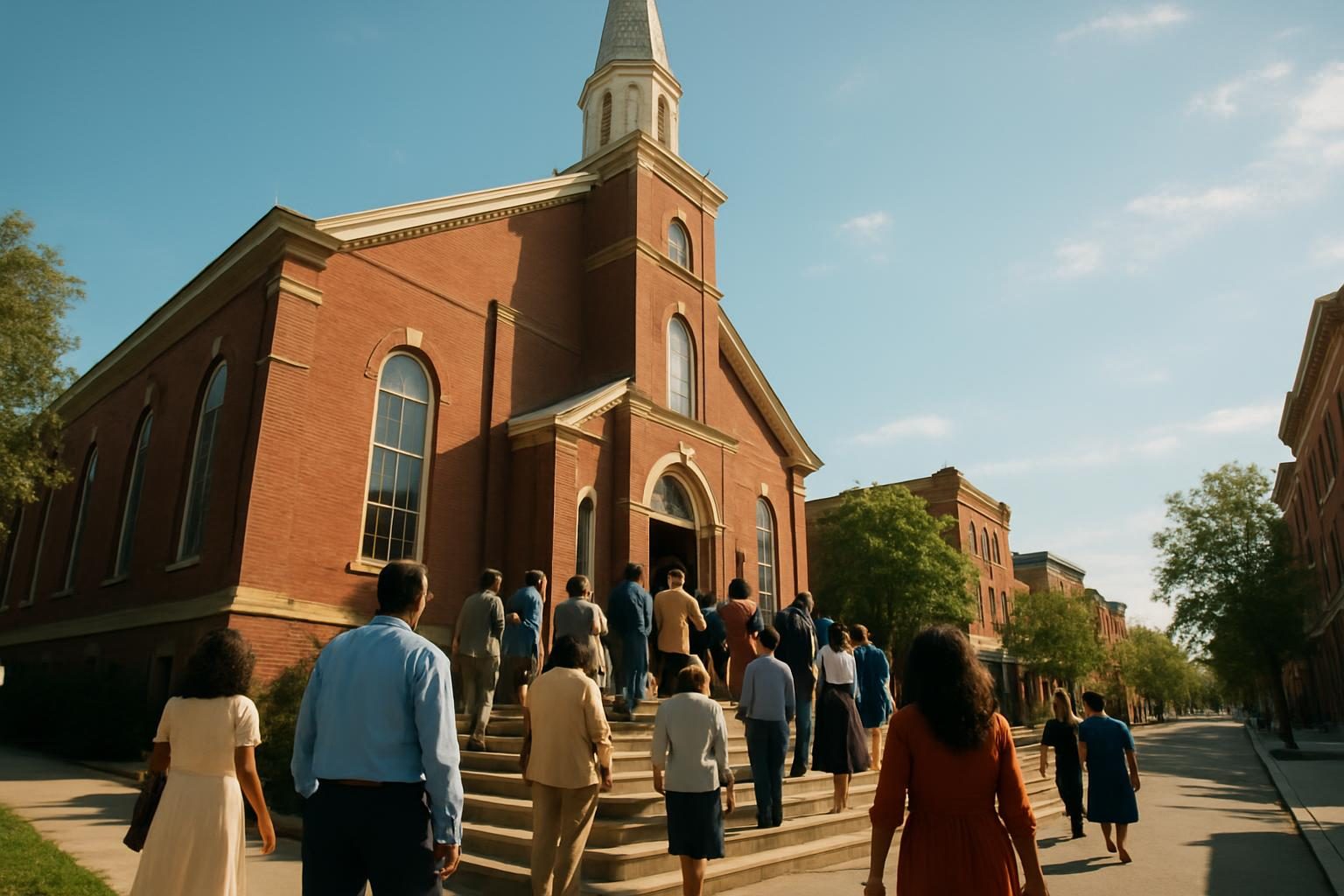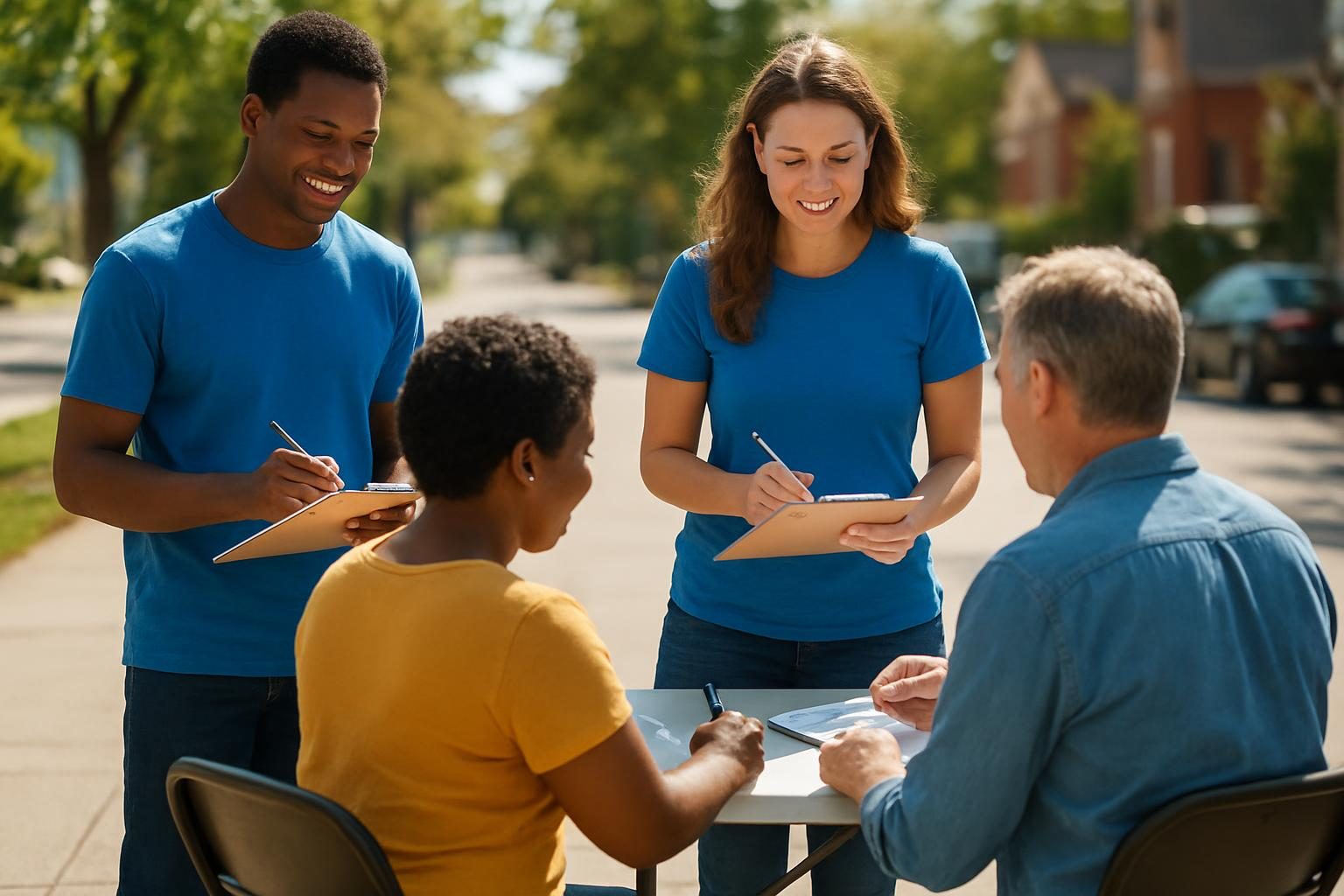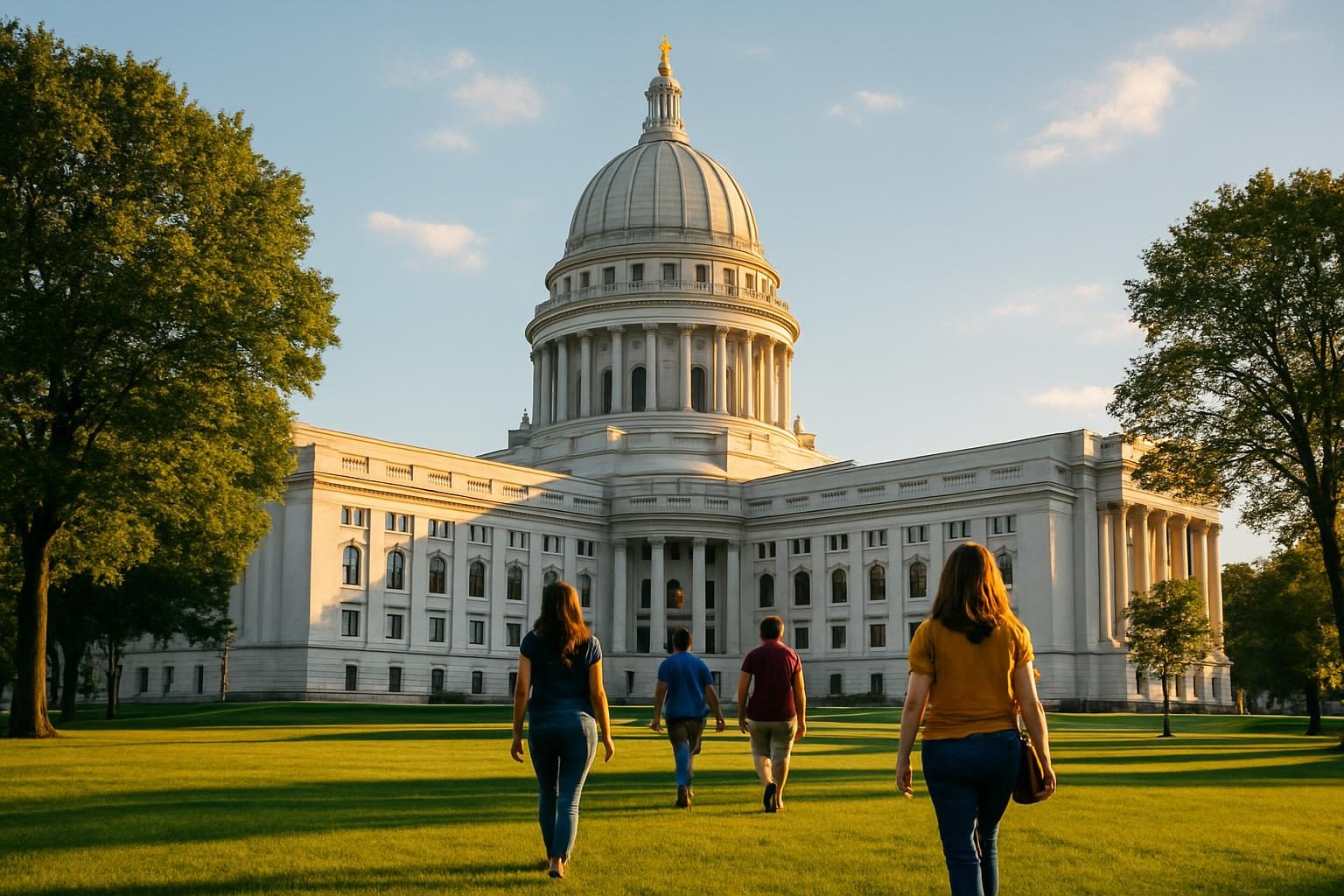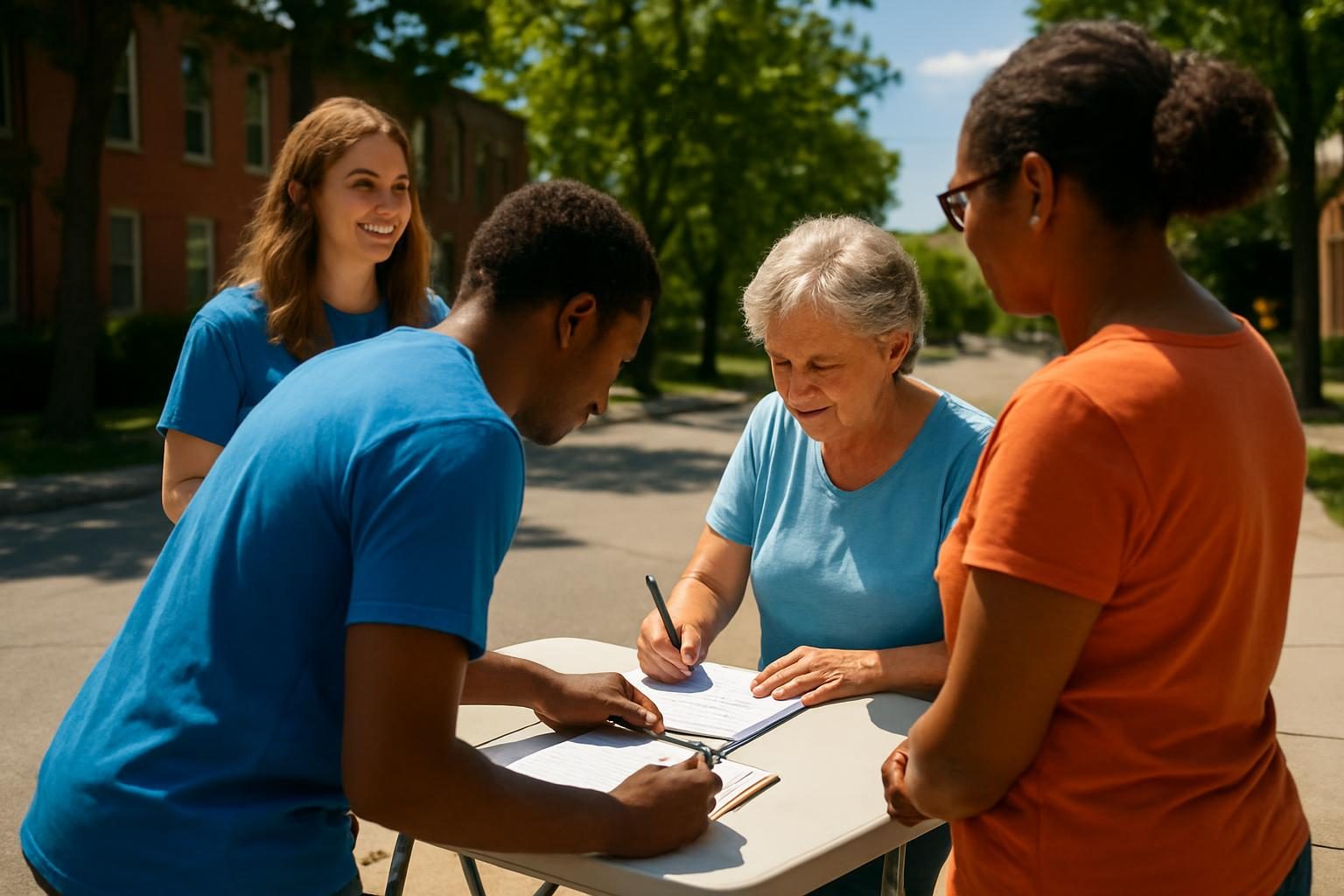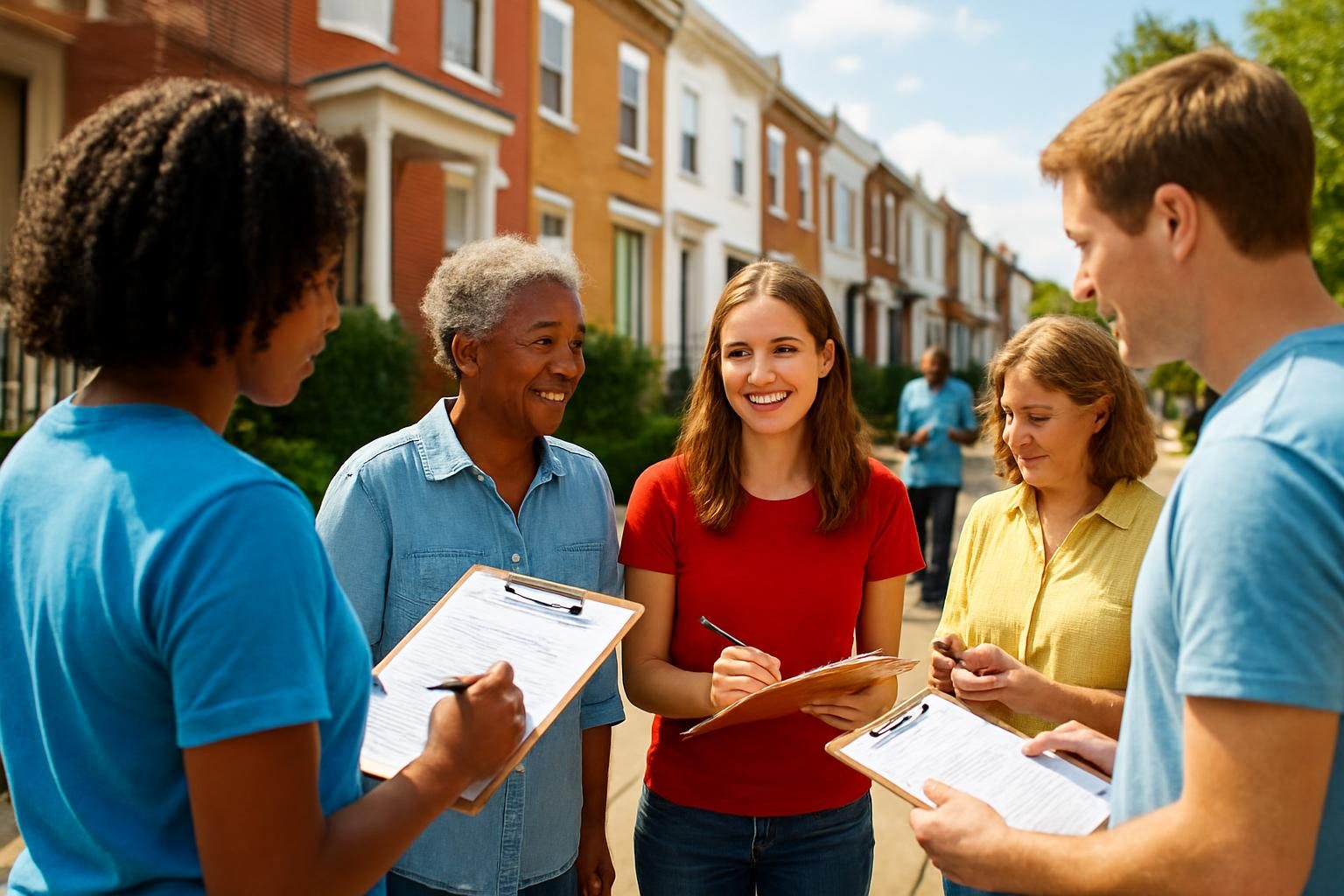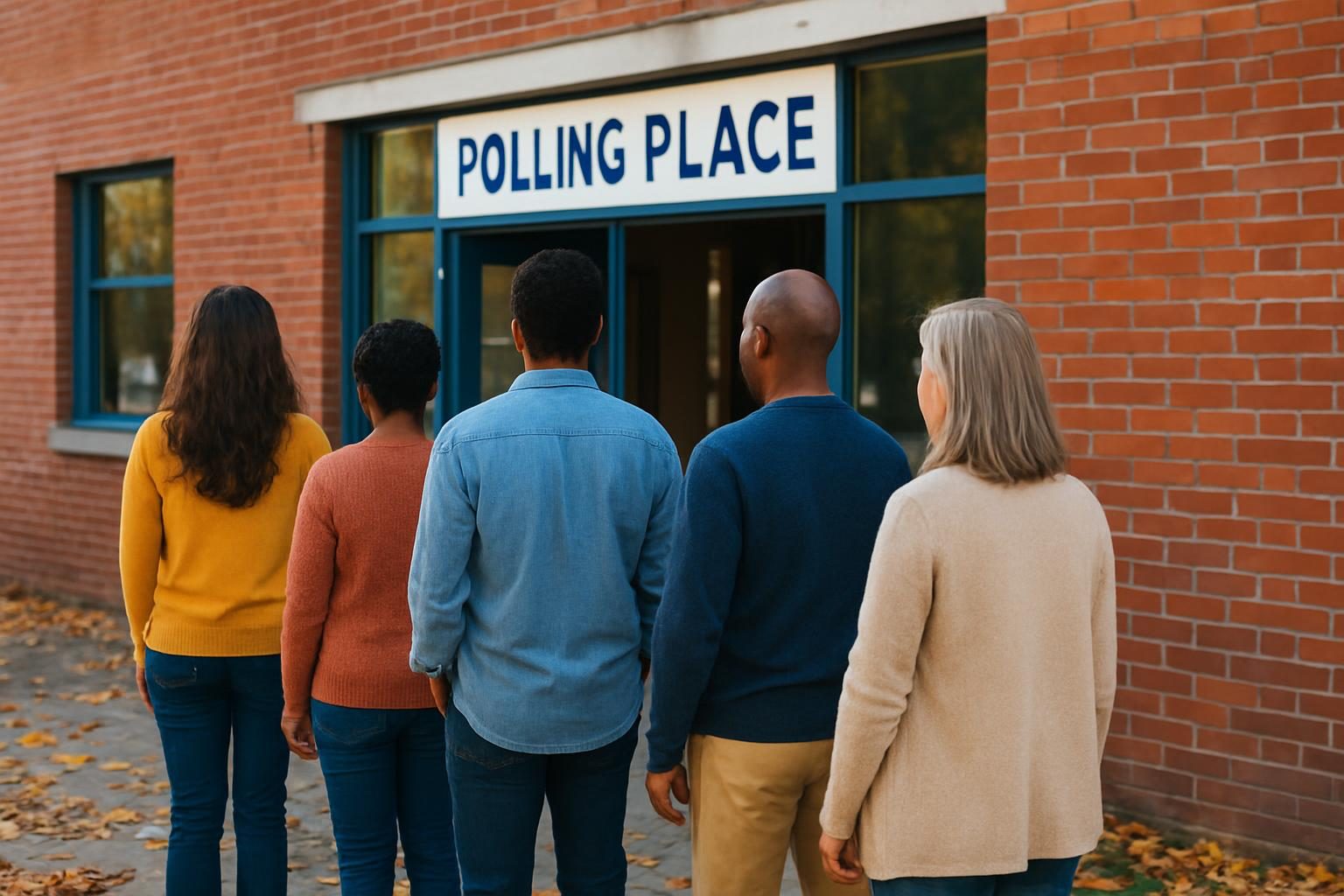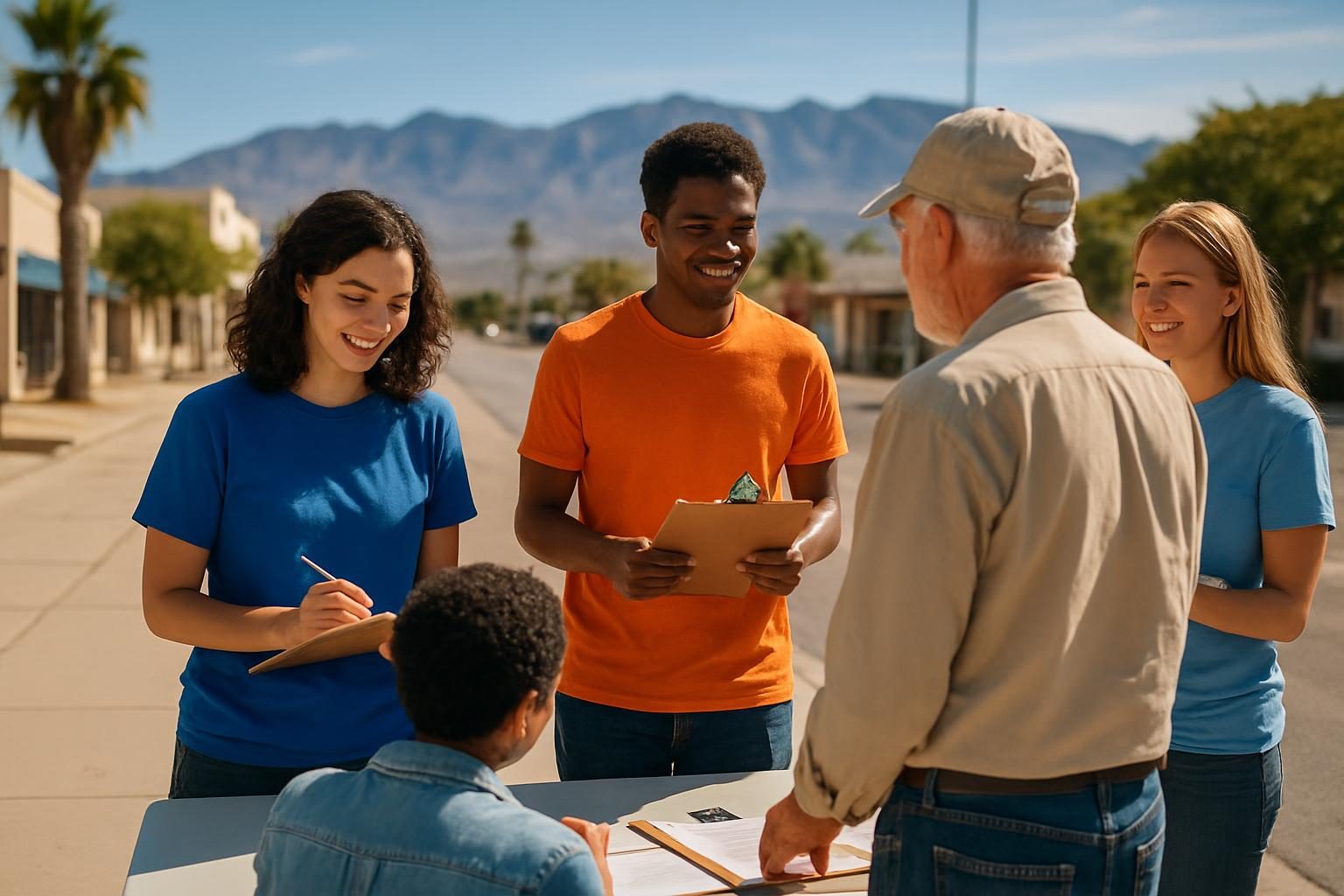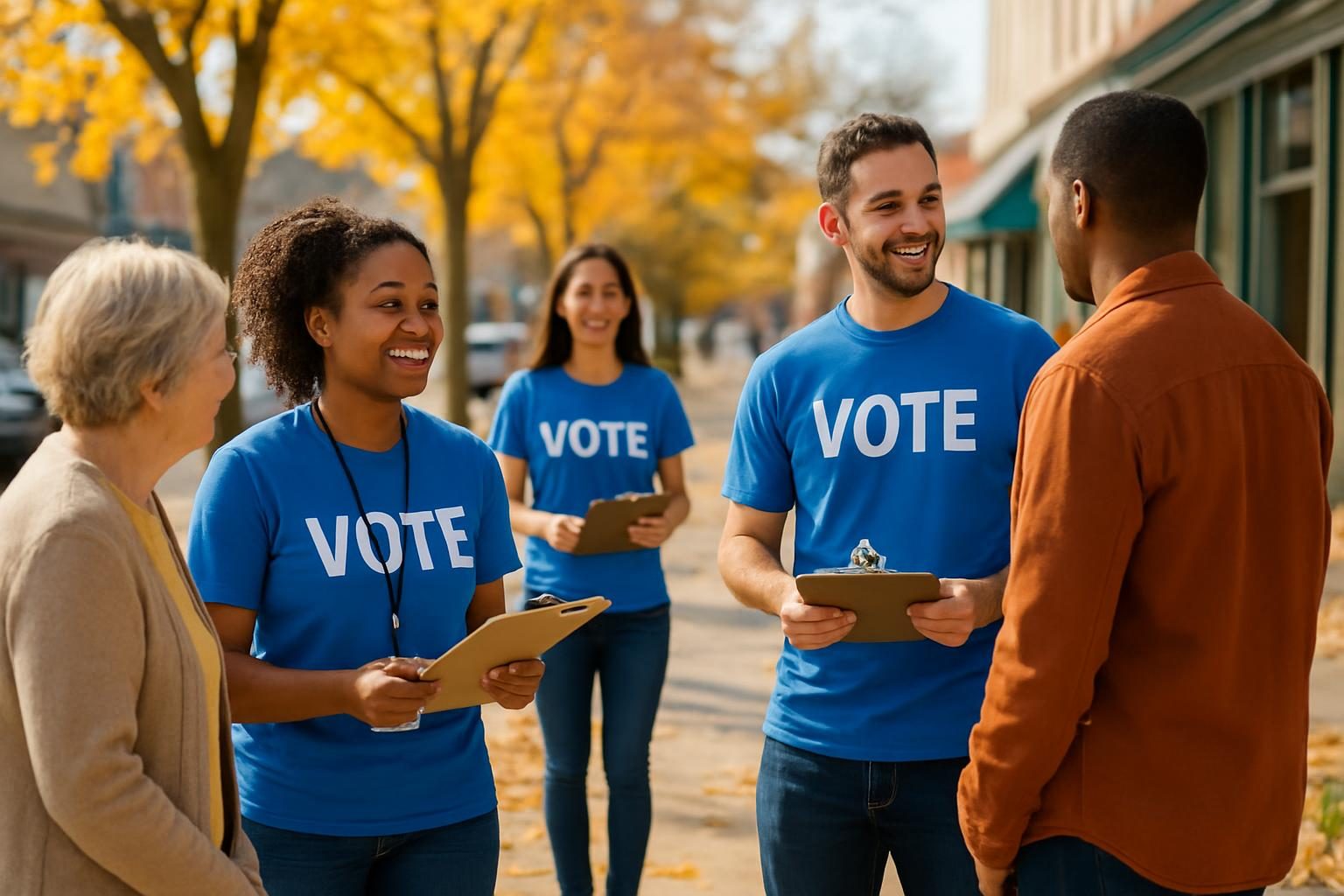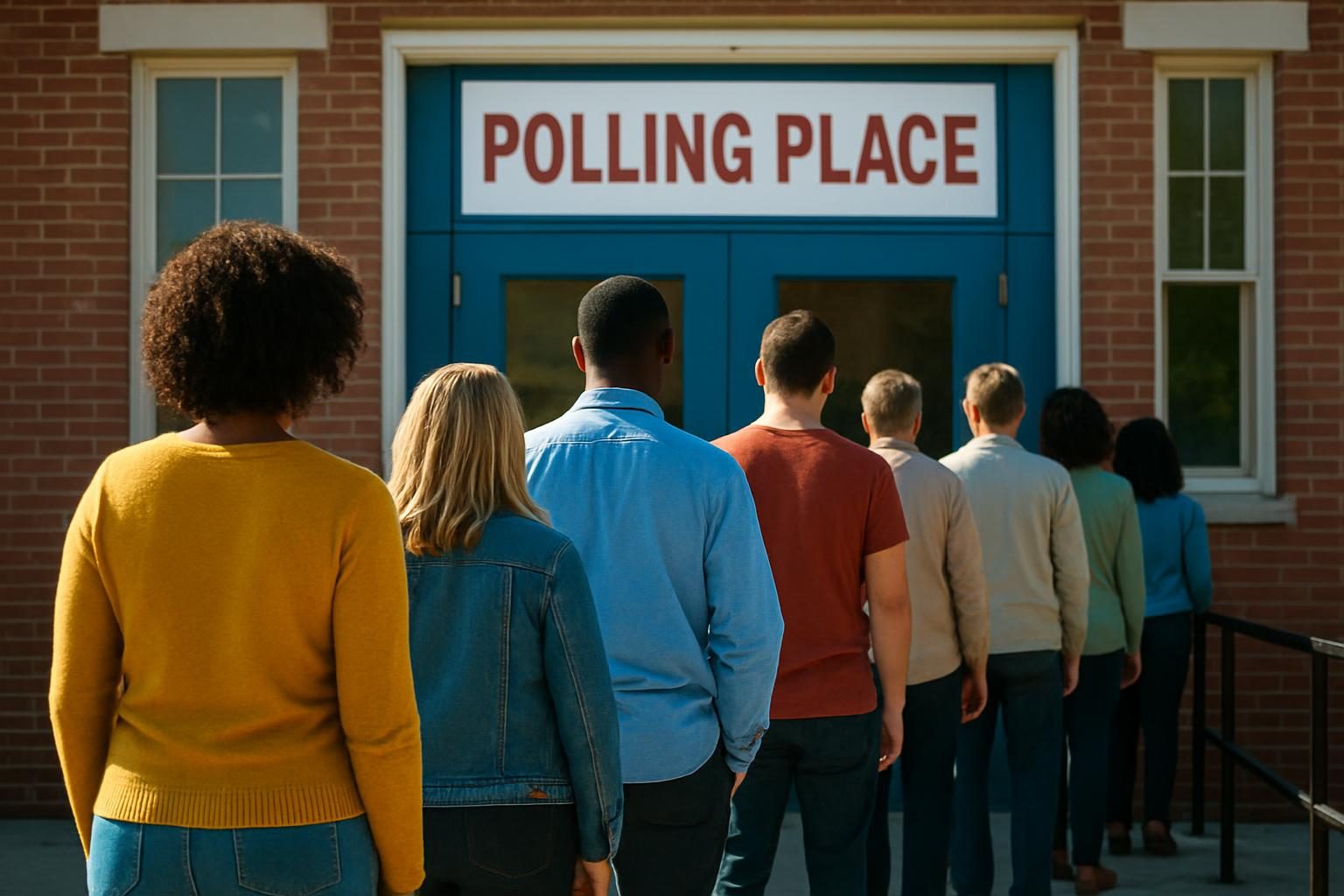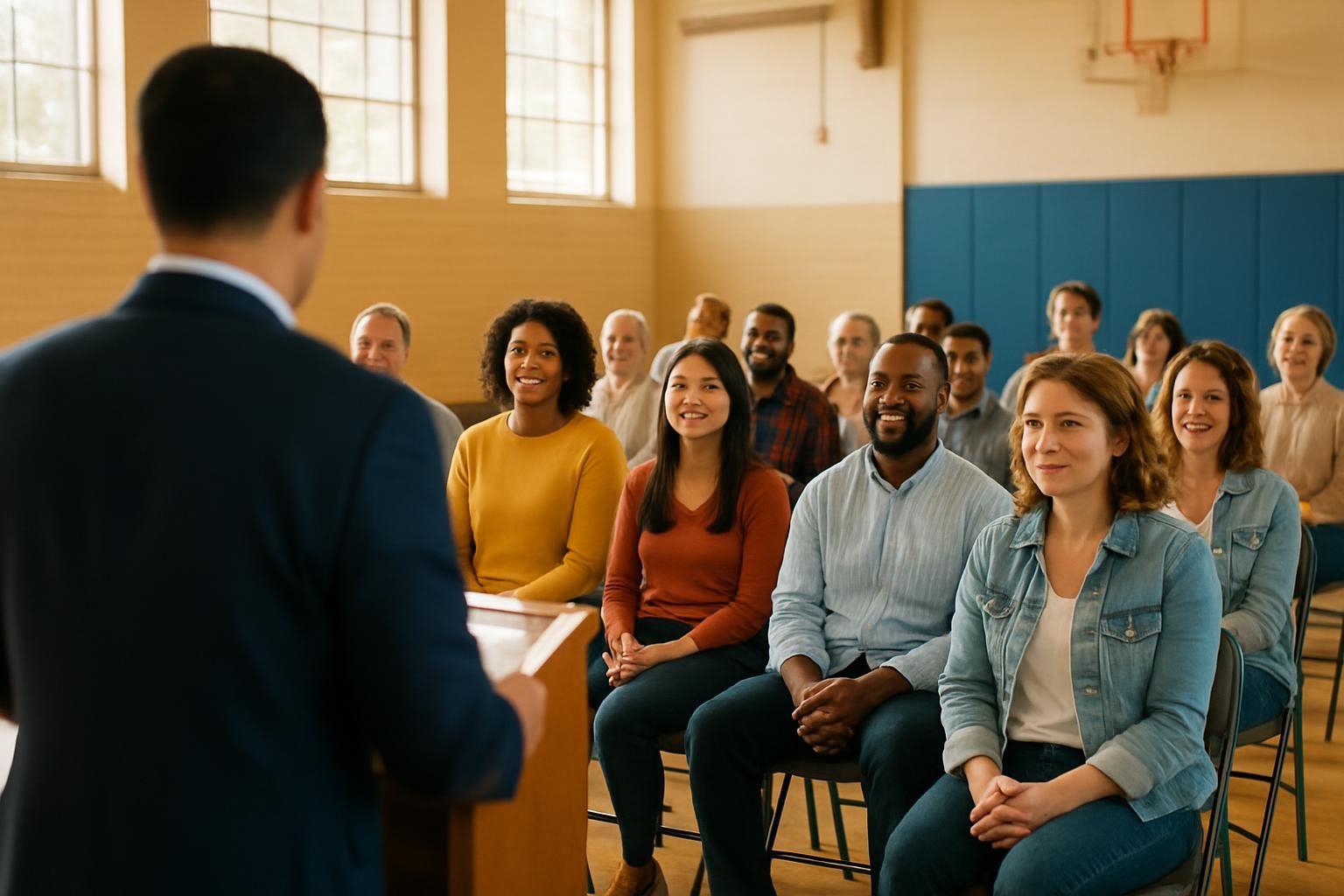
You do not need a campaign, a title or a free year to shape your community. Most of the decisions that touch your daily life, from school budgets to zoning to who runs your polling place, are made by local officials in meetings that few people attend. If you have been wondering how to get involved in politics locally, the answer is simpler and more powerful than you think.
Our take: The fastest way to make a real difference is to start where power is closest and attendance is lowest: local meetings, county party committees, school boards and volunteer teams. You do not have to run for office. You have to show up, stay consistent and bring a neighbor. Check your voter registration at vote.gov (use your own state’s page) and take one concrete step this week.
Why local politics is where progressives win first
National races get the headlines, but local government is where policy becomes real. City councils decide housing rules and public transit. County boards oversee health departments and, in many places, elections. School boards set priorities for the classrooms your kids or neighbors’ kids sit in.
Here is our view: progressive change is built from the bottom up. Many of the people who end up in state legislatures, governor’s mansions and Congress started on a school board, a city council or a county committee. When a community builds strong local organizing, it shows at every level of the ballot.
It also matters for the big picture. Local and state officials help run elections and are part of the process that draws legislative maps, as we explain in our guide to how gerrymandering decides elections. If you care about fair representation in 2028, local engagement is not a side project. It is the foundation.
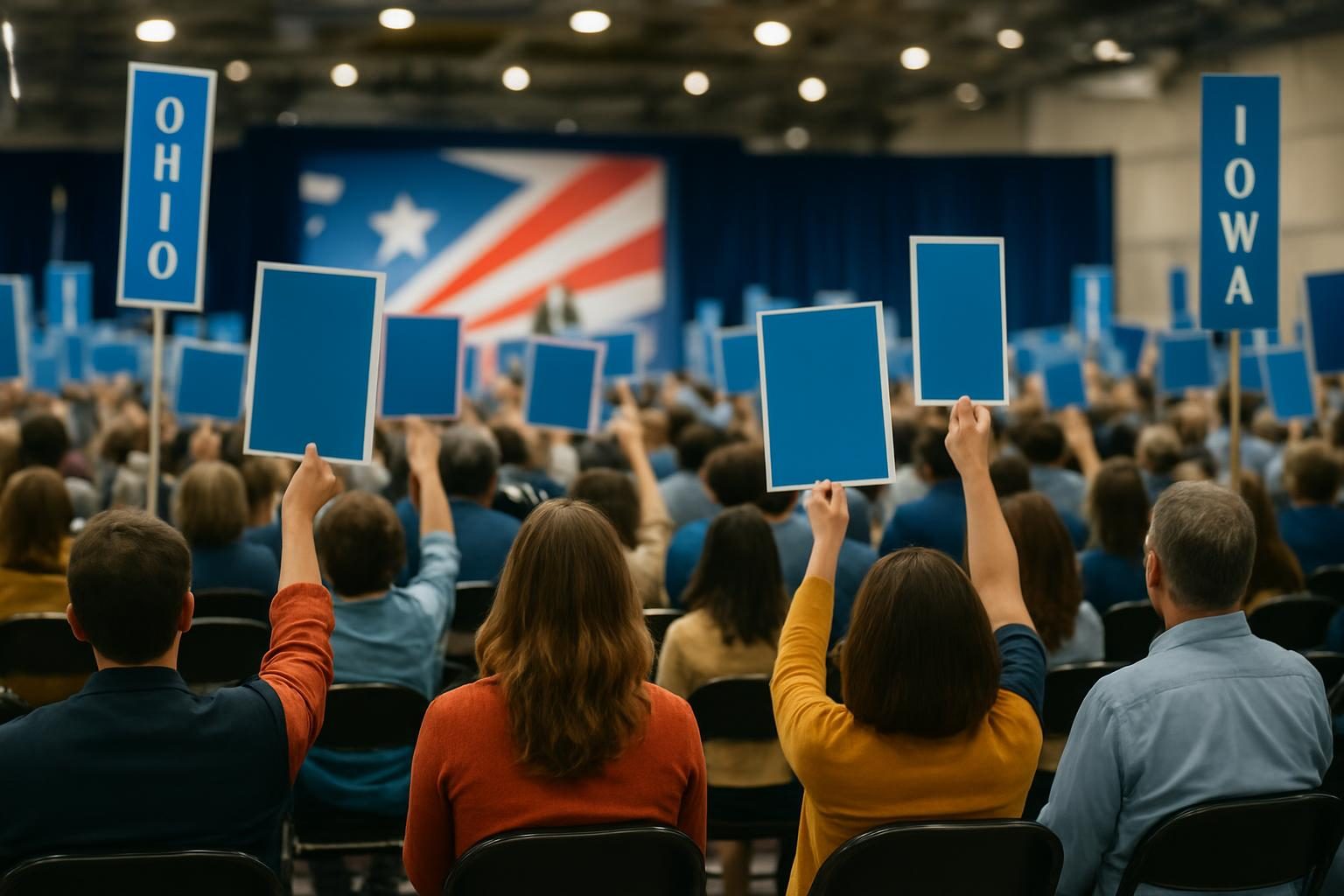
Most decisions that shape your daily life are made in rooms with plenty of empty chairs.

Start here: six ways to get involved without running
You do not have to do all of these. Pick one that fits your life and start there.
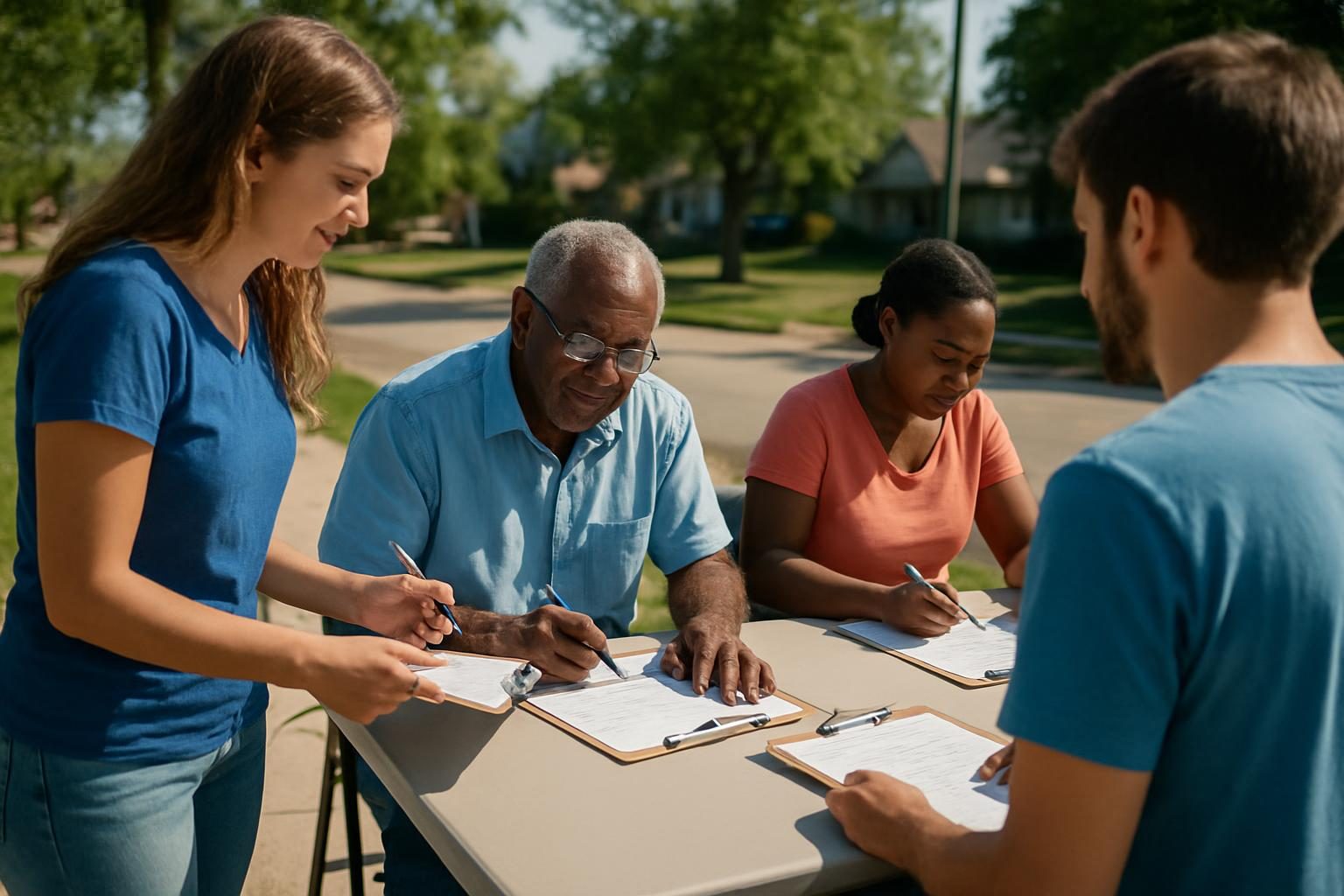
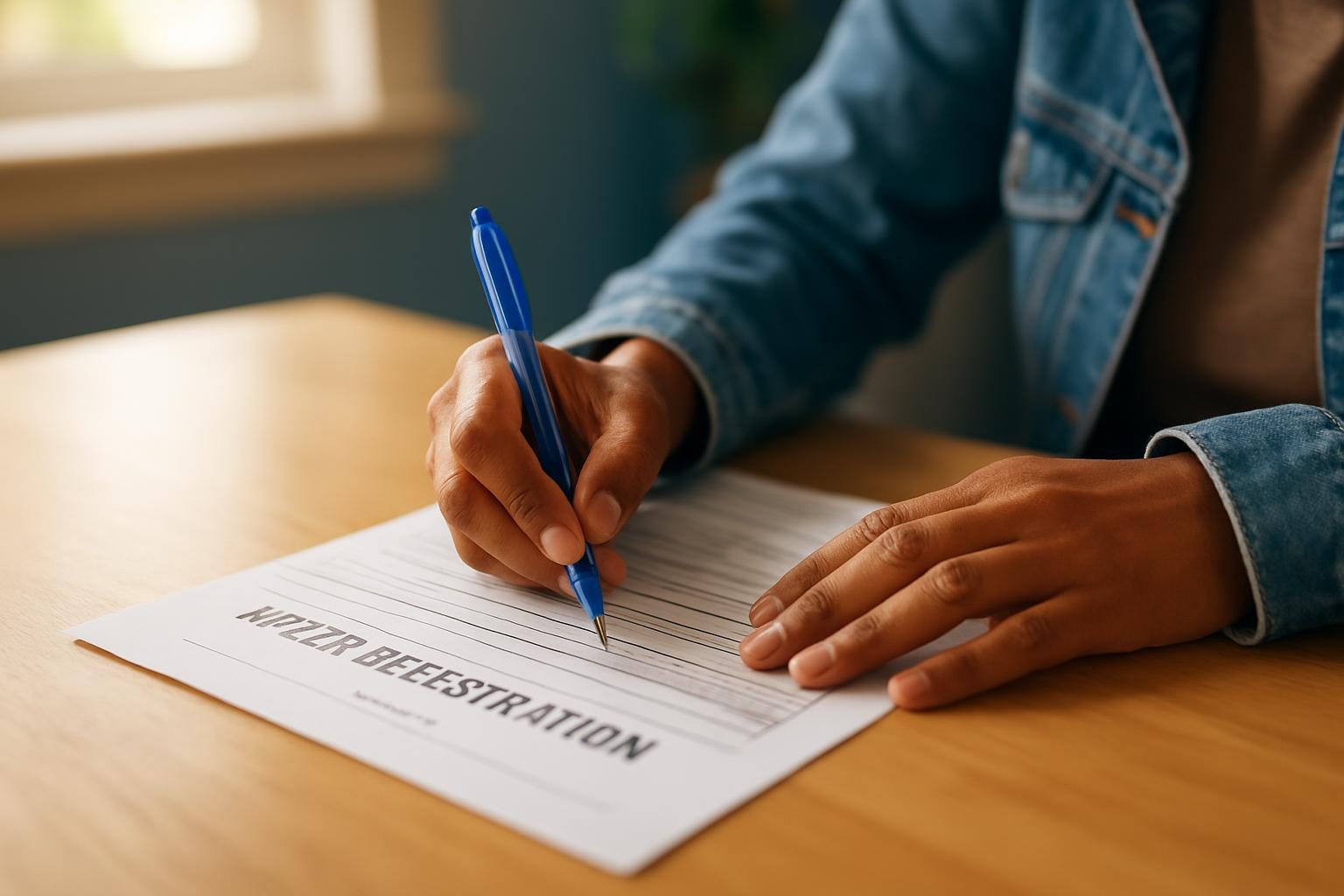
- Check your registration. Confirm you are registered at your current address. Every state’s official rules, deadlines and online registration links are on vote.gov. Our simple guide to registering in every state can help you find your way.
- Attend a public meeting. Go to one city council, county board or school board meeting. Read the agenda first and just listen.
- Join your local Democratic committee. County and local party committees organize volunteers, host candidate forums and run get-out-the-vote efforts. Search for yours or ask your state party how to join.
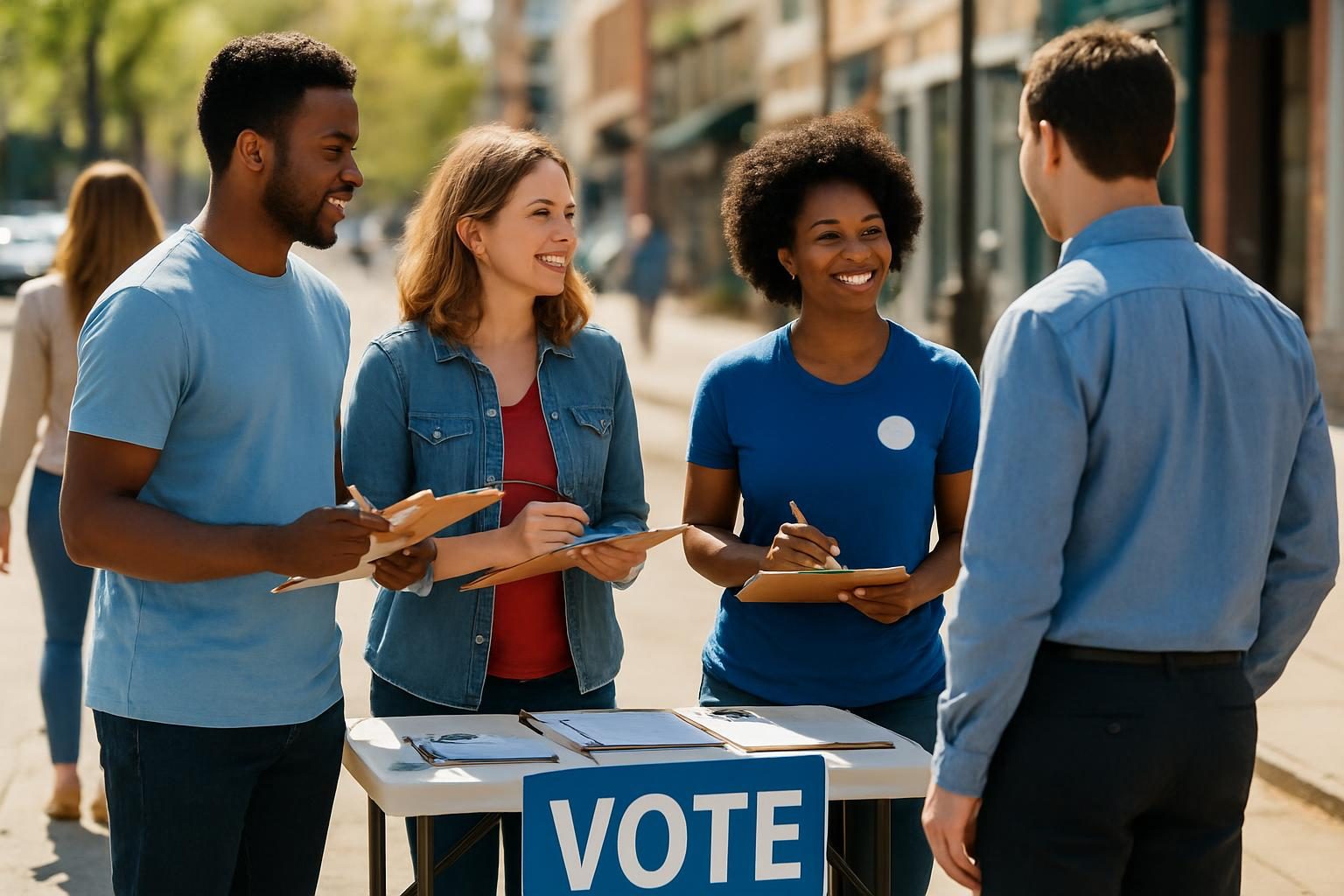
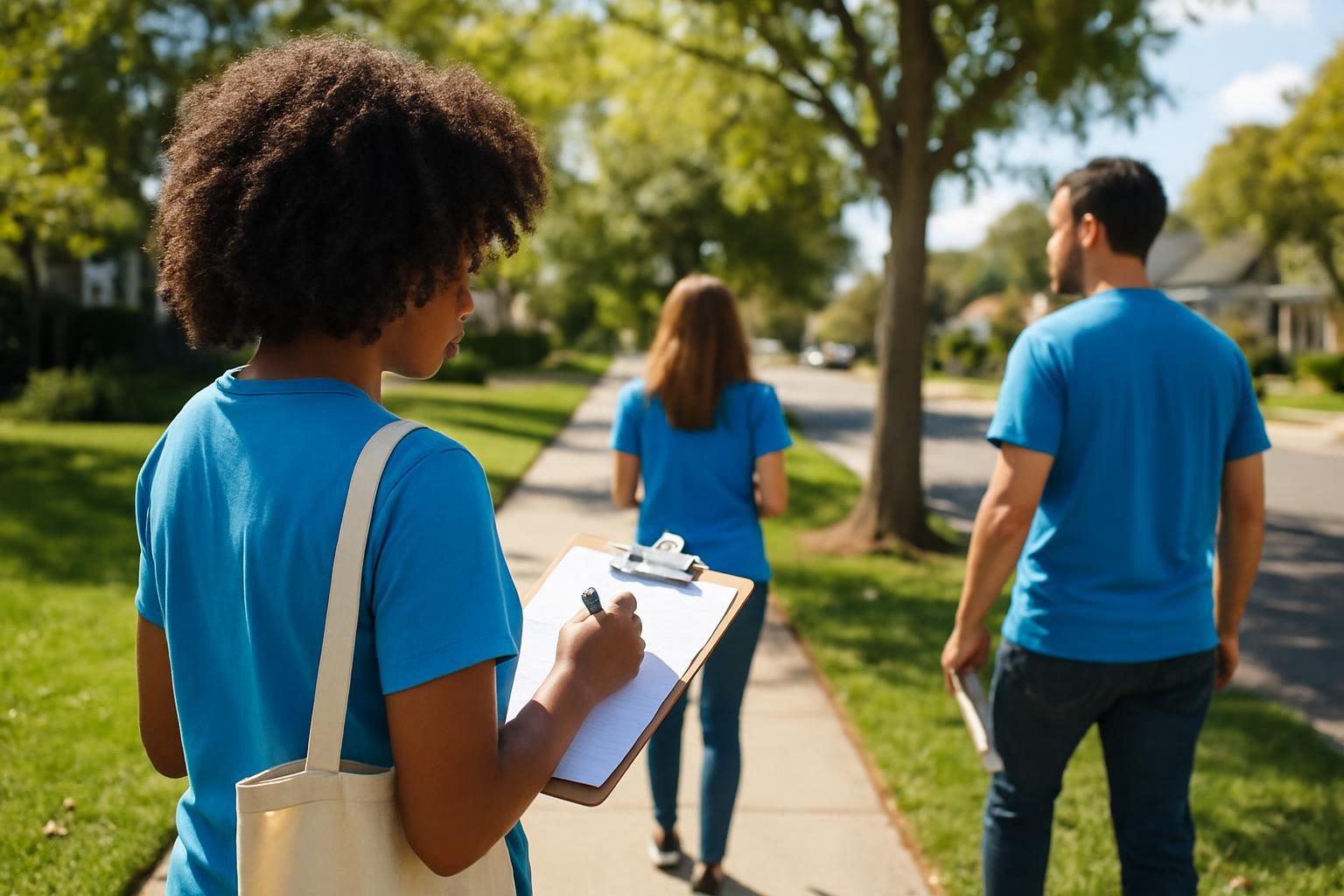
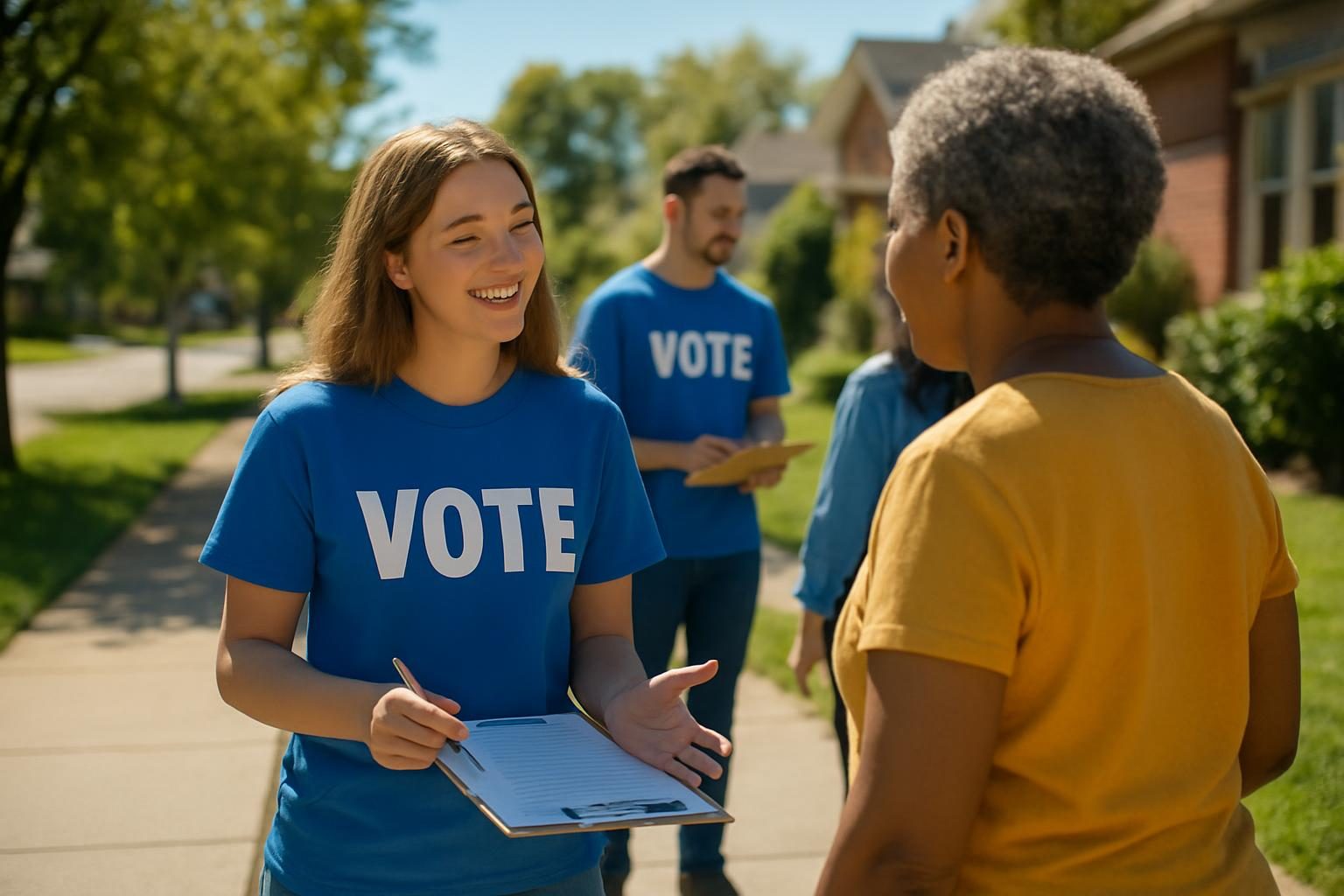
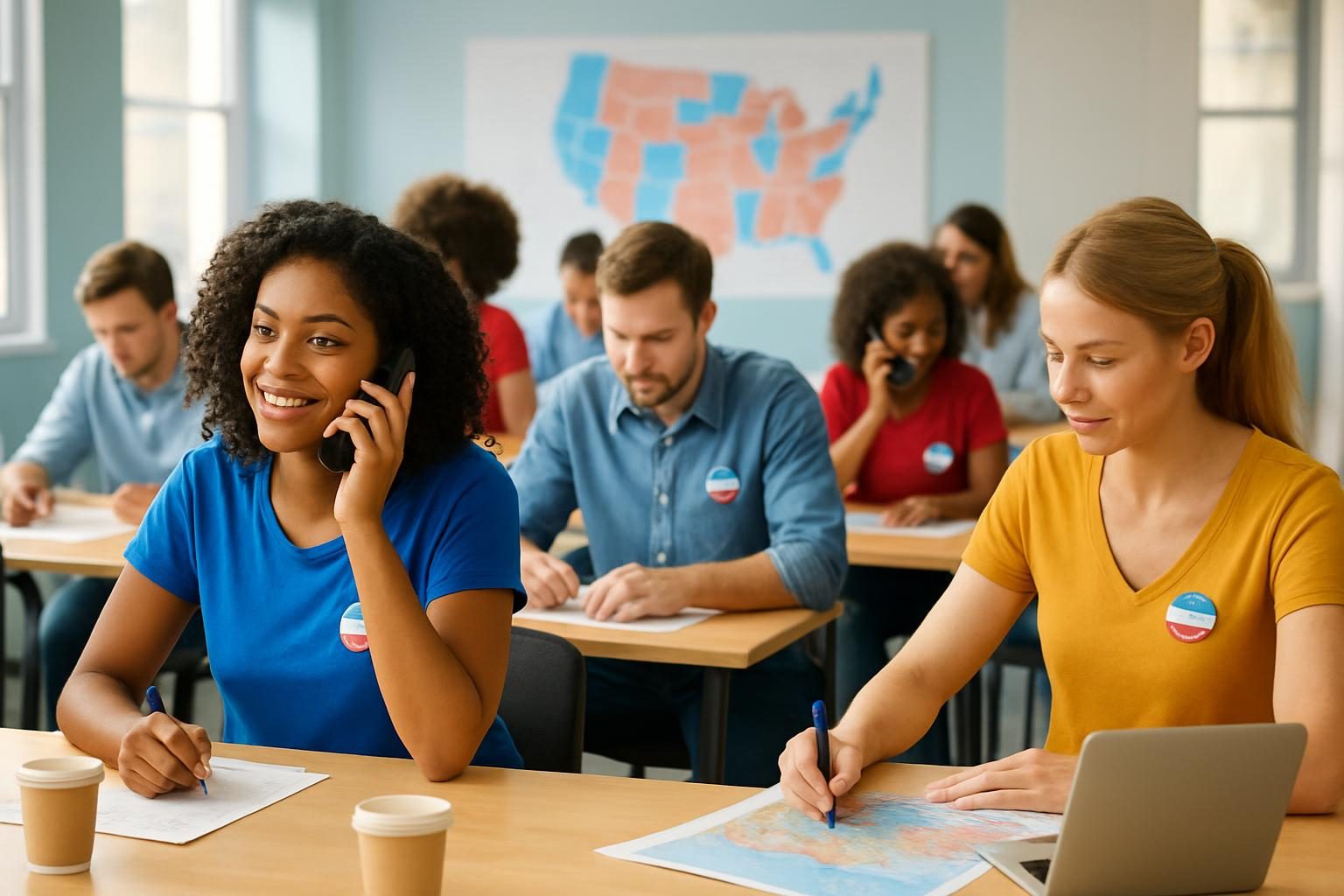
- Volunteer for a campaign. Phone banking, canvassing and postcard writing are the engine of every election. We are preparing a guide on how to volunteer for a political campaign.
- Testify or write to officials. Many local bodies take public comment. A short, personal, specific message often carries more weight than people expect.
- Join a community group. Tenant associations, parent groups, environmental groups and neighborhood organizations are where relationships and trust get built.
A simple first-month plan
| Week | Action | Time needed |
|---|---|---|
| 1 | Check or update your voter registration on vote.gov | A few minutes |
| 2 | Look up your local meeting schedule and read one agenda | About an hour |
| 3 | Attend one public meeting and introduce yourself to one person | An evening |
| 4 | Contact your county Democratic committee and sign up for one volunteer shift | A few hours |
Take action: Open vote.gov right now, choose your state and confirm you are registered at your current address. Then text one friend and ask them to do the same.
The power of showing up consistently
Elected officials notice who comes back. A person who attends every month, asks informed questions and thanks staff for their work builds credibility fast. That credibility opens doors to committees, advisory boards and, if you ever want it, a path to office.
If that day comes, we are working on a guide to running for local office. But plenty of people never run and still change their towns. Organizers, note-takers, volunteers and voters are the backbone of every successful movement.
Bring people with you
Your biggest contribution may be your network. Invite a neighbor to a meeting. Offer a ride to a friend who needs to register. Share a clear explanation of what is on the ballot. Every person you bring multiplies your impact.
Democracy is not a spectator sport, and the best seats are the ones you fill yourself.

Connect local work to the bigger picture
What you do locally feeds directly into state and national outcomes. The 2026 midterm elections arrive on Tuesday, November 3, 2026, with all 435 House seats, about a third of the Senate and 36 governorships on the ballot. Our guide to what is at stake in the 2026 midterms explains how those results shape the road to 2028.
That road includes a Democratic primary season whose early window the DNC approved on August 15, 2026. The first contest is South Carolina on January 22, 2028, followed by Nevada, New Hampshire, New Mexico, Michigan and Virginia. You can follow every date in our 2028 Democratic primary calendar. The general election is Tuesday, November 7, 2028.
No major Democrat has formally declared a 2028 presidential run as of this writing. Many names are widely discussed as potential candidates, and you can follow them in our 2028 Democratic candidates tracker. Whoever emerges will need volunteers in every community. The people who show up for local races now are the ones who will be ready.
Pick issues you care about
Passion lasts longer than obligation. If health care keeps you up at night, see where the party stands in our explainer on what Democrats want on health care. If wages and cost of living are your focus, read the Democratic economic agenda explained. Climate, student debt and wages also drive local organizing, and we have guides coming on Democrats and climate policy, student debt relief and the minimum wage debate. For the broader picture, start with our overview of Democratic Party platform issues.
The strongest arguments against this approach
A good case deserves a fair test. Here are the best objections we hear, and how we think about them.
“Local politics is too small to matter”
Critics argue that national fights over the economy, courts and democracy itself deserve our limited energy. It is a reasonable instinct, and national races matter enormously. Our response is that national outcomes are built on local infrastructure: volunteers, trusted messengers and informed voters. Skipping the local level means giving up the foundation.
“I do not have time”
This is the most common and most legitimate barrier. Work, caregiving and money are real constraints. That is why we recommend small, repeatable steps rather than all-or-nothing commitment. A few hours before an election, or one meeting a month, still counts.
“Parties are part of the problem”
Some people distrust party organizations and prefer nonpartisan or issue-based groups. That is a fair choice, and many effective community groups have no party tie. We believe progressive goals are best advanced through elected Democrats, so we encourage party involvement, but nonpartisan civic work strengthens democracy too.
“One person cannot change anything”
It can feel that way, especially in a big state. But local elections are often decided by small margins, and local meetings often have few attendees. A single informed, organized person is rarely a small force at that scale.
Make your voice count at the ballot box
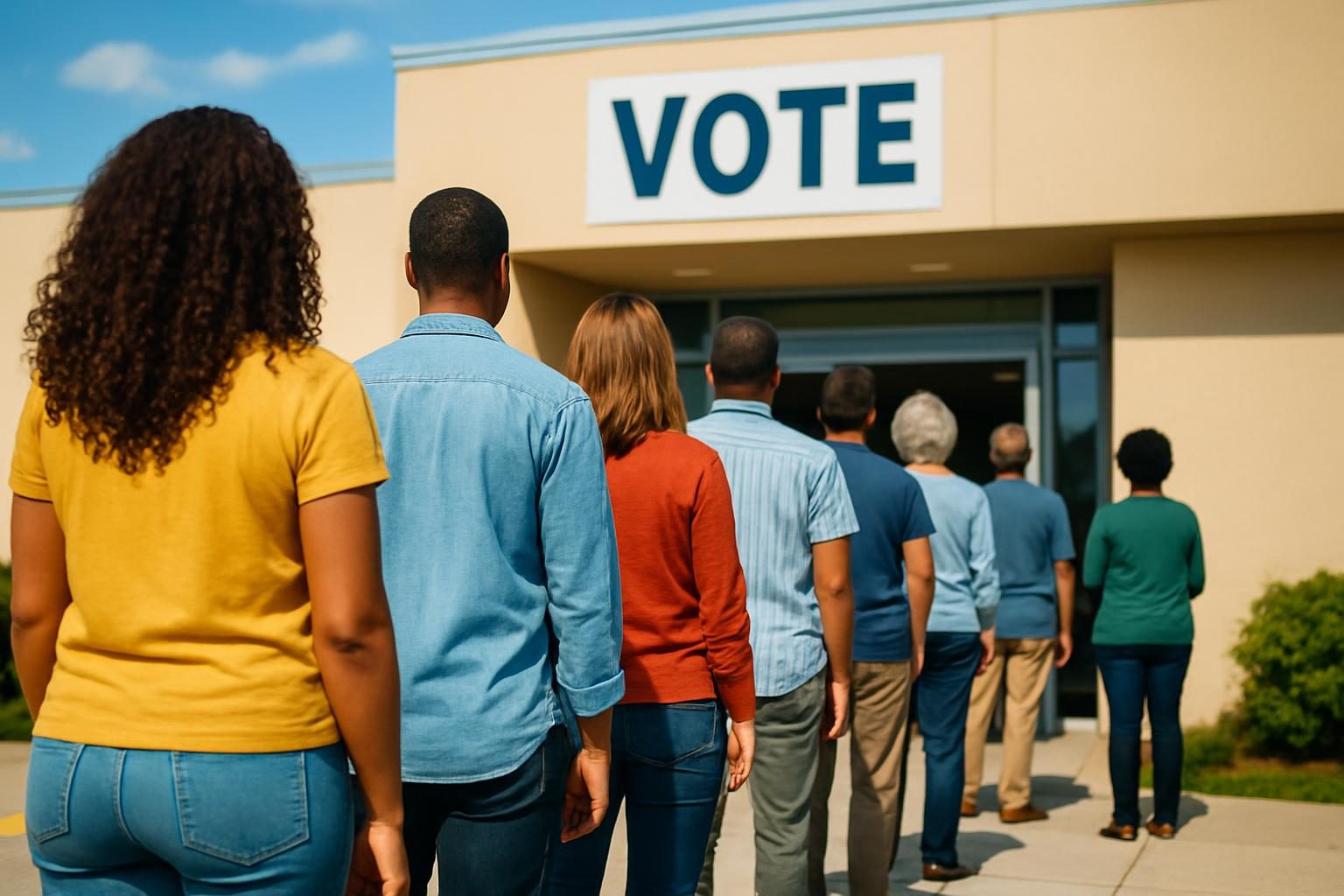
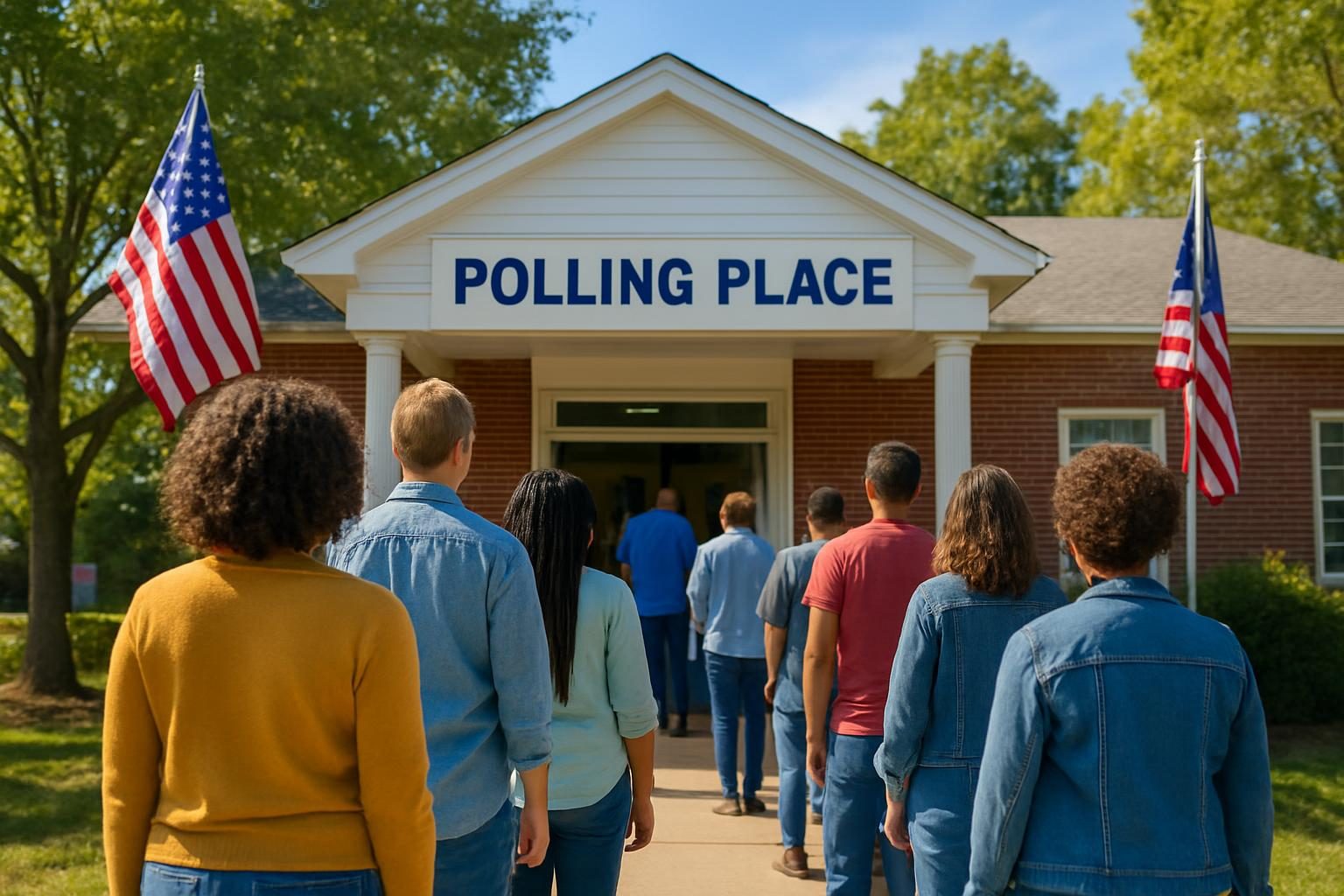
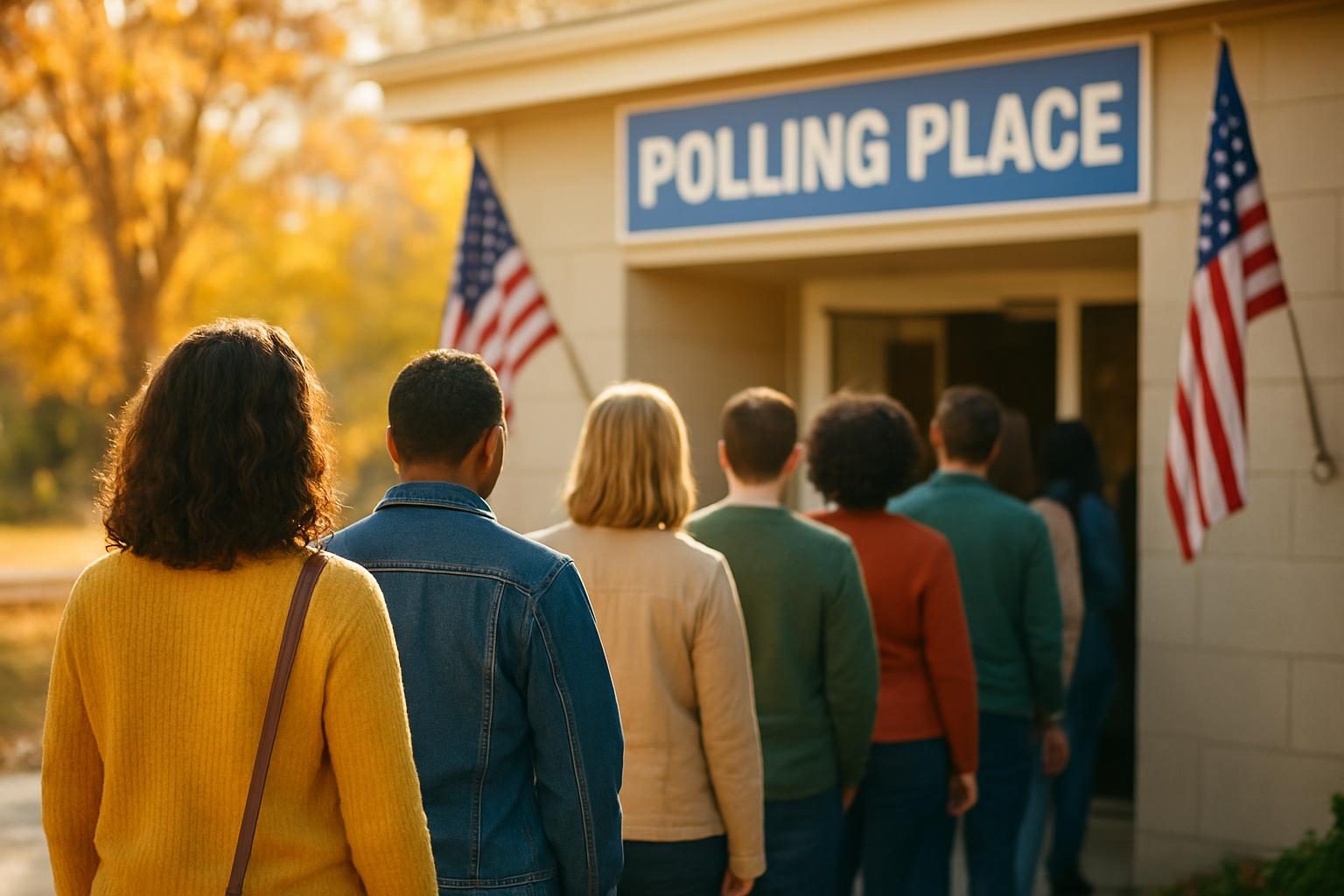
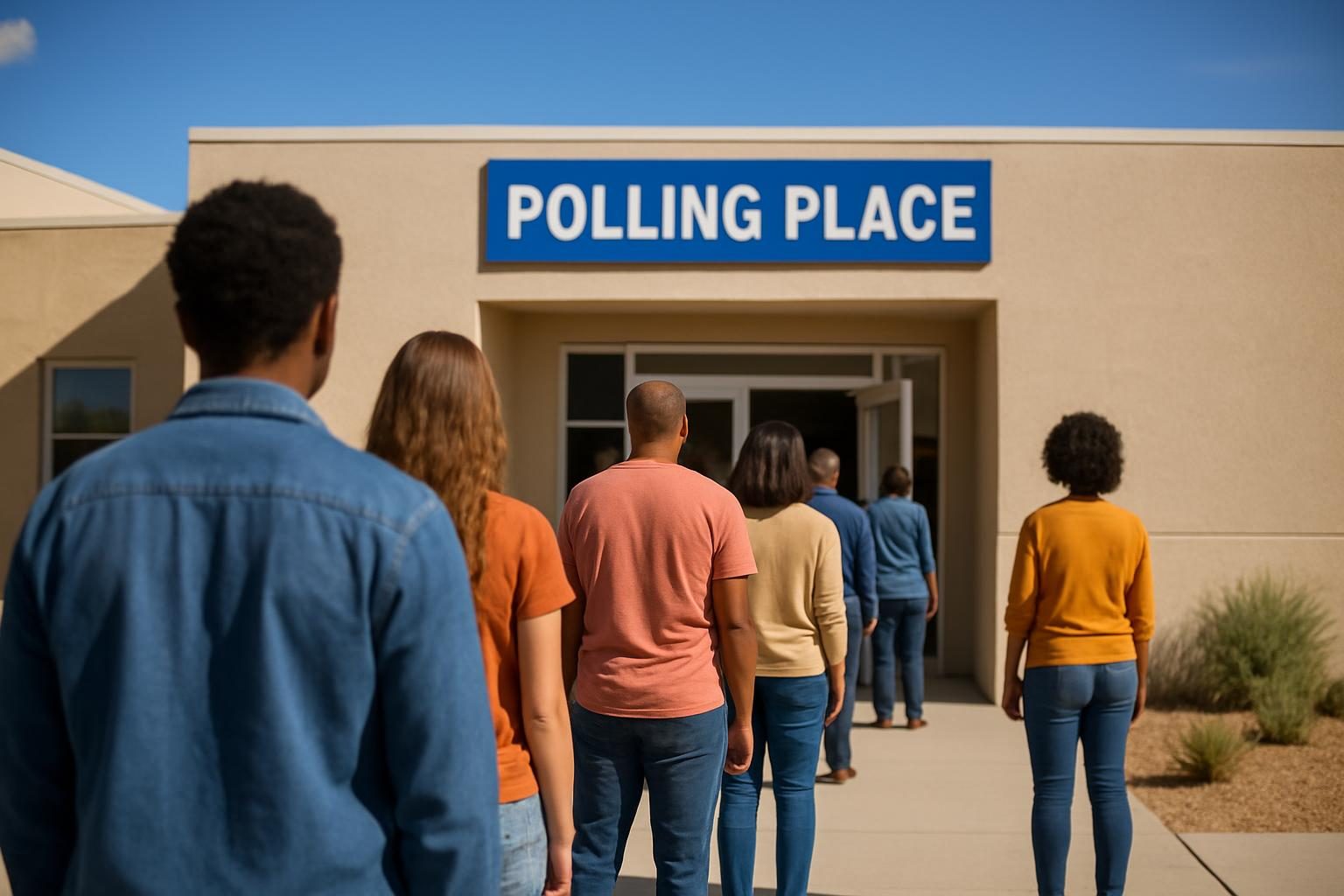
Involvement is not a substitute for voting; it is what makes voting meaningful. Know when your local elections are, who is on the ballot and what the stakes are. Voting rules vary by state, so confirm deadlines and options on vote.gov or with your state election office. To understand the history behind these protections, read our explainer on the Voting Rights Act and why it matters.
For the national timeline, our 2028 presidential election hub collects every date and development in one place.
Key takeaways
- Local government shapes daily life, and local meetings are often lightly attended, so your voice goes further there.
- You can get involved without running: attend meetings, join your county committee, volunteer, testify and organize neighbors.
- Check your voter registration first, using vote.gov or your state election office for the rules that apply to you.
- The 2026 midterms are Tuesday, November 3, 2026, and the 2028 general election is Tuesday, November 7, 2028.
- Small, consistent commitments beat big, short-lived bursts of activity.
Last updated October 2026. Dates and candidate news change fast; we update this page as things are announced.
Frequently asked questions
How do I get involved in politics locally if I have no experience?
Start small and close to home. Attend one public meeting of your city council, county board or school board, read the agenda beforehand, and introduce yourself to a staffer or neighbor. Then pick one recurring way to help, such as volunteering with your county Democratic committee or a local issue group. Experience comes from showing up.
Do I have to join a political party to get involved?
No. You can attend public meetings, join nonpartisan community groups, testify on local issues and volunteer for causes without joining any party. If you want to help elect Democrats, your county or local Democratic committee is the usual doorway, and rules for membership and party roles vary by state, so check with your local party or state election office.
How much time does local political involvement take?
As much or as little as you have. One evening a month at a public meeting counts. So does a few hours of phone banking before an election, or an afternoon of knocking on doors. Consistency matters more than volume, and a small regular commitment tends to last longer than a burst of activity that burns you out.
Does local politics really affect national elections like 2028?
Yes. Local and state officials draw district maps, run elections, set polling place rules and shape the volunteer networks that national campaigns rely on. The 2028 presidential race, with its general election on Tuesday, November 7, 2028, will be won in part by the ground game built in communities long before then.
How do I make sure I can vote in local elections?
Confirm your registration status and deadlines on vote.gov or with your state election office. Rules for registering, updating your address and same-day registration differ by state, so always check the official source for where you live. Local elections often happen in odd years or in primaries, so find out when yours are.
Want more? Browse everything in our Issues & Ideas section.